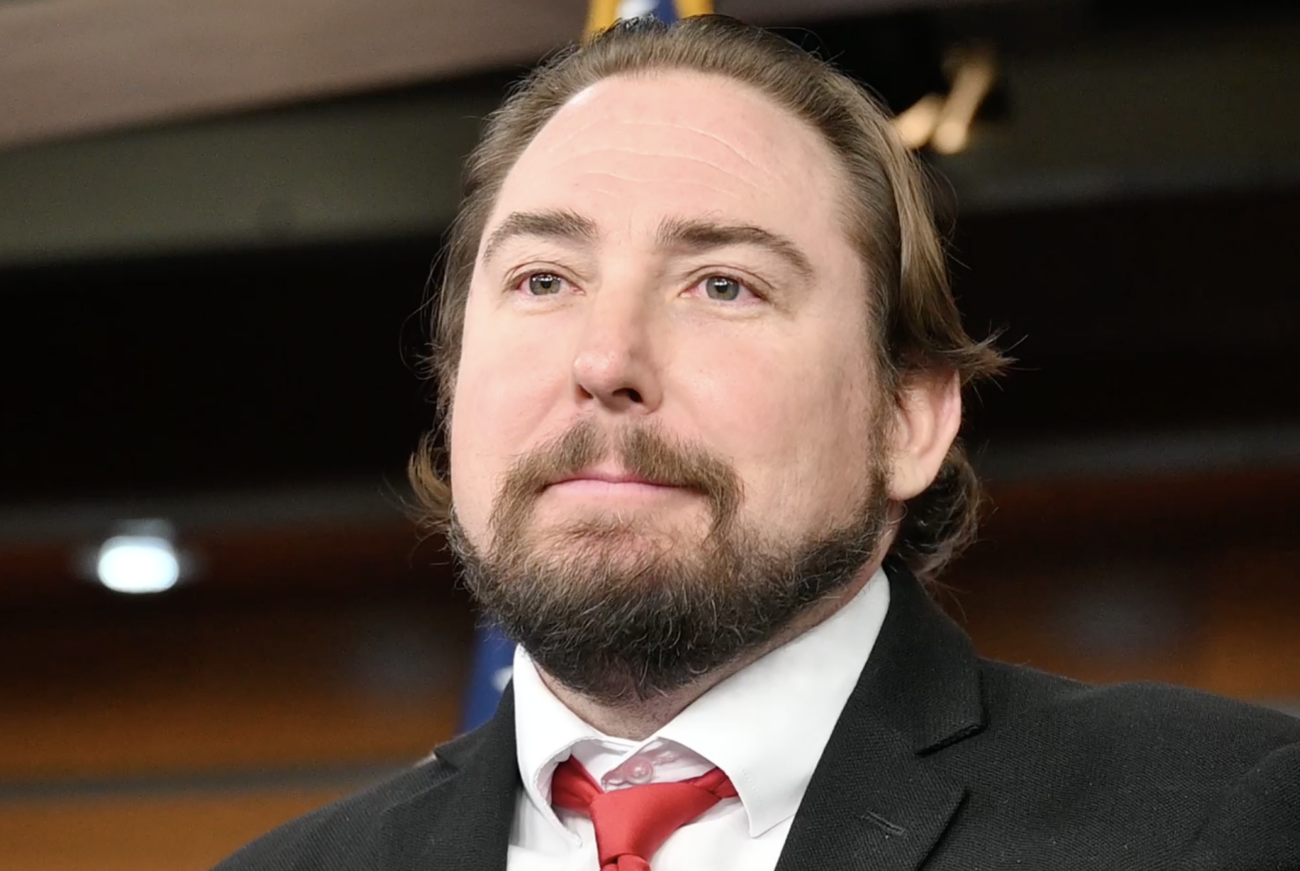

Representative Paul Gosar (R-AZ) discussed how emerging technology can play a crucial role in solving the missing and murdered Indigenous people (MMIP) crisis throughout the United States in a recent House Natural Resources Committee hearing.
The Phoenix Substance Abuse Fraud
"With 22 federally recognized Tribes, Arizona is unfortunately too familiar with the MMIP crisis," Rep. Gosar argued, describing the fraudulent substance abuse programs targeting vulnerable Tribal citizens "to fleece the government of Medicaid and other health benefits" before asking hearing witness Charles Addington, the Principal Director of the Office of Justice Services within the Bureau of Indian Affairs (BIA), if similar cases of fraud have been uncovered.
Addington could not immediately answer the question.
New Tech
Undeterred, Rep. Gosar turned to technologies that are being put to use in combating the MMIP crisis, including the use of LIDAR to locate human remains.
Addington also pointed out that DNA analytics "is the biggest thing that is helping Tribes," and how improved tech is locating suspects more quickly.
"Now, is there any kind of possibility to use AMBER Alert, and what are the disadvantages or advantages to something like that?" the Arizona congressman asked.
Addington affirmed that AMBER Alert is a useful tool, prompting Gosar to ask what potential pitfalls still exist, which Addington suggested is a matter of ensuring widespread communication.
Other Arizona Officials on the Crisis
Last week, Senator Ruben Gallego (D-AZ) cosponsored the Parity for Tribal Law Enforcement Act, which seeks to remedy the issue by increasing federal access to retirement, pension, death, and injury benefits that non-Tribal jurisdictions have easier access to.
That marked the latest effort to address the MMIP crisis, as Arizona's state-level lawmakers have also brought attention to it, with the most recent being a Phoenix event held in May led by State Representative Mae Peshlakai (D-7).