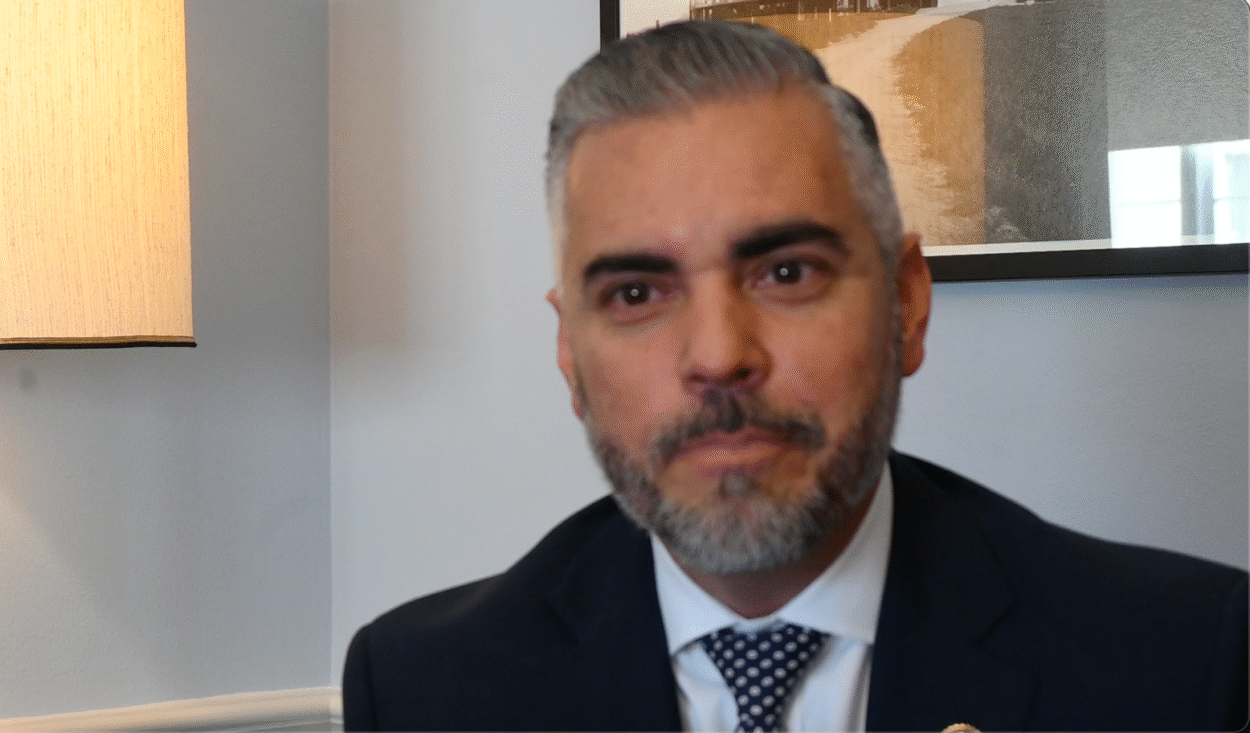


Representative Juan Ciscomani (R-AZ) joined US Secretary of Agriculture Brooke Rollins on Wednesday to announce a new investment in a facility combating the New World screwworm outbreak and reopening the Douglas Port of Entry.
The Announcement
Specifically, Secretary Rollins announced that the Department of Agriculture (USDA) would invest $25 million to reopen a sterile fly dispersal facility, thereby reducing the screwworm's ability to reproduce viable offspring.
Additionally, she announced that the Douglas Port of Entry is slated to reopen on August 24th, allowing the resumption of cattle imports from Sonora, Mexico.
What Ciscomani is Saying
"I was proud to join Secretary Rollins for today's announcement of the reopening of the Douglas Port of Entry alongside this critical investment in Arizona," said Rep. Ciscomani in his press release, adding, "Local agriculture leaders and I have been fighting to deliver this sterile fly dispersal facility because Arizona's livestock industry cannot afford to wait on the New World screwworm threat. This $25 million investment is the direct result of that work, and I'm grateful to Secretary Rollins for listening to Arizona's producers and delivering on it. Her responsiveness and willingness to act swiftly on commonsense solutions has made a real difference. This is Secretary Rollins' second visit to Arizona in just a few months, reflecting her commitment to hearing directly from those on the ground and delivering real results for our farmers, ranchers, and rural communities"
The Screwworm Response
A new screwworm infestation began in June of this year, and the USDA sought to act quickly through enhanced surveillance efforts, expanded trapping and monitoring programs, strengthened partnerships with Mexico and Central American nations, investments in sterile fly production capacity, and the establishment of a dedicated New World Screwworm Directorate within the Animal and Plant Health Inspection Service (APHIS).
At the beginning of July, the University of Arizona was awarded a $3.74 million Grand Challenge Grant by the USDA, a grant which Rep. Ciscomani applauded.