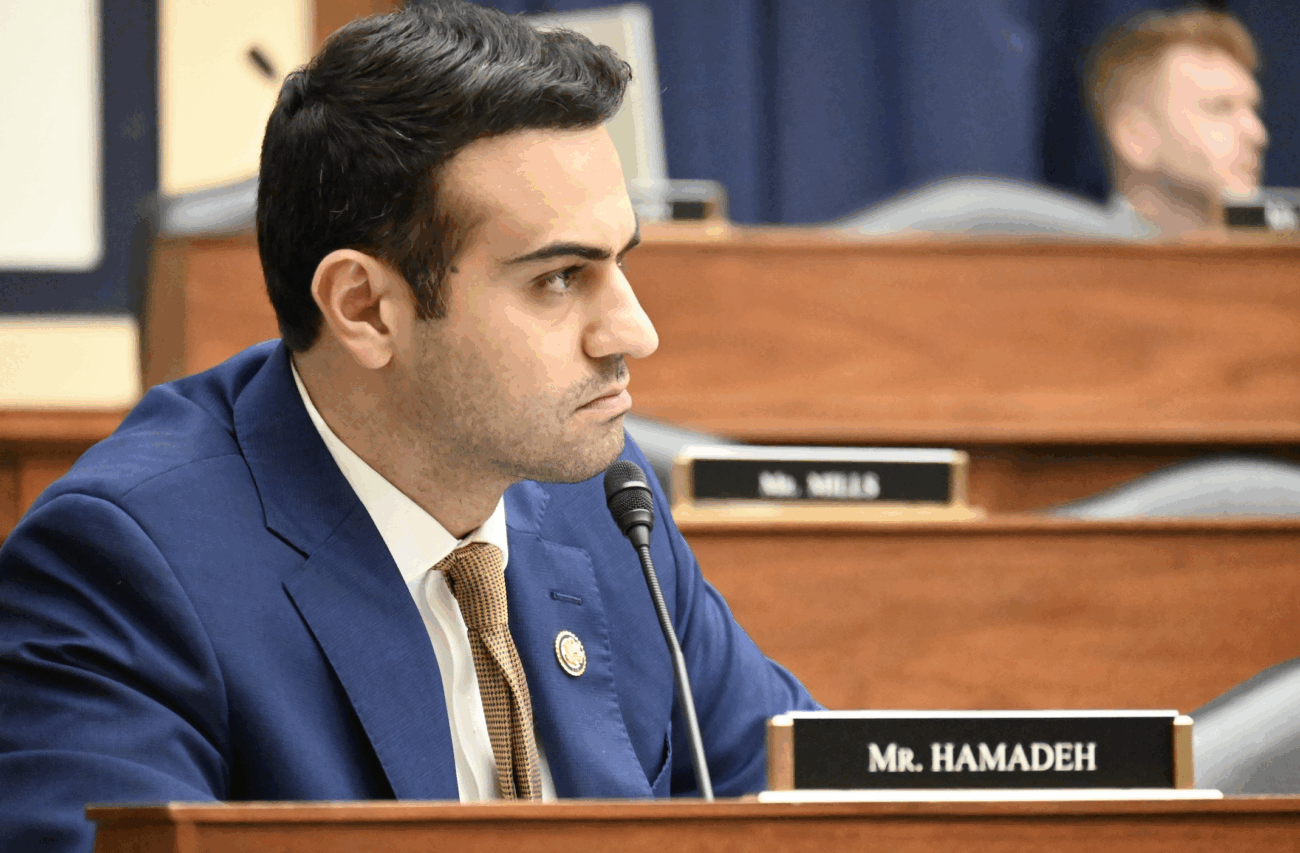


Representatives Juan Ciscomani (R-AZ) and Abe Hamadeh (R-AZ) are celebrating the House's passage of Kayleigh's Law on a bipartisan basis.
What the Bill Does
Kayleigh's Law, which Reps. Hamadeh and Ciscomani introduced in April, requires courts to issue permanent no-contact injunctions against convicted offenders, meaning they are permanently banned from contacting their victim, directly or indirectly, for the rest of their lives, even after prison, probation, or supervised release.
The bill federalizes an existing statute in Arizona and Wisconsin – also named Kayleigh's Law – after Buckeye mother and activist Kayleigh Kozak.
What Lawmakers are Saying
"The House's passage of Kayleigh's Law represents a major step forward for victims of violent crime and will provide survivors with the lasting protections they deserve," said Rep. Ciscomani in a press release. "I am proud that the House came together in a bipartisan manner to advance this commonsense legislation and ensure victims of dangerous crimes can obtain lifetime protection from their abusers. Survivors should never have to live with uncertainty about whether their abuser can contact them again. Kayleigh's Law would work to close critical gaps in federal law and has been a proven resource for Arizonans. I look forward to this critical legislation gaining increased momentum at the federal level."
Similarly, Rep. Hamadeh said, "I want to thank my colleagues for their votes today. As I said on the floor today, Kayleigh's Law started in Arizona. It works. In its first year alone, more than a thousand survivors in our state secured lifetime protection from the people who hurt them."
"H.R. 8481 would give every American victim of a federal sex crime or violent felony that same shield," Rep. Hamadeh continued, "This bill is simple. When a predator is convicted, federal courts must issue a lifelong no-contact injunction. Not until probation ends. Not until some judge decides the offender has "moved on." For life. Victims should never again have to fill out another form, sit across from their abuser, or look over their shoulder because the sentence ran out and the system shrugged."