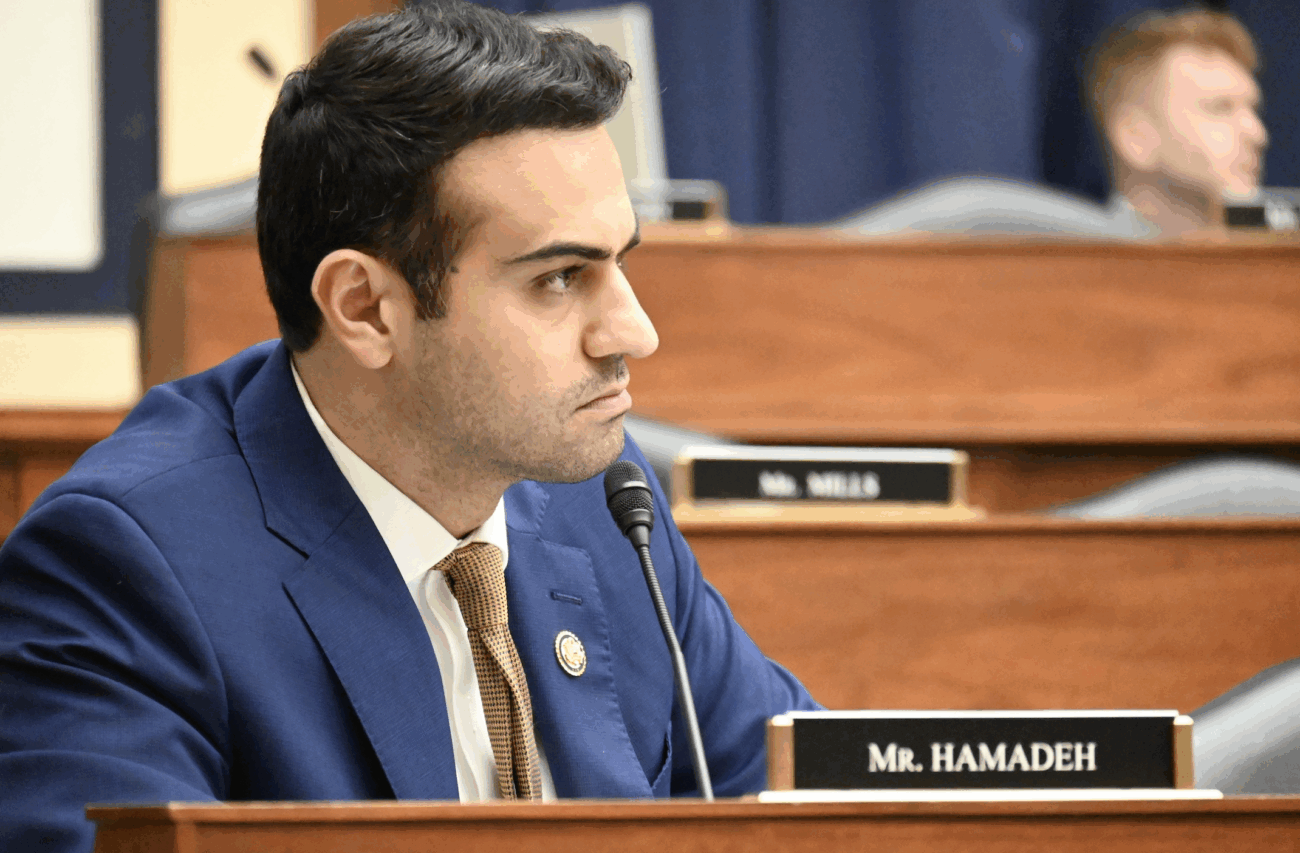


Representative Abe Hamadeh (R-AZ) is applauding recent changes to overseas voting rules issued by the Federal Voting Assistance Program (FVAP).
The New Rule
In August, FVAP announced that the Uniformed and Overseas Citizens Absentee Voting Act (UOCAVA) did not apply to U.S. citizens abroad who have never established residence in the United States.
Additionally, FVAP suggested that states "may have incorrectly interpreted UOCAVA to require them to allow never-resided citizens to vote--despite state law that prohibits voting by individuals who have never lived in the state," as Rep. Hamadeh's press release explains.
Moreover, this change applies primarily to individuals who acquired American citizenship through their parents but have never established residency in any U.S. state, not service personnel voting abroad.
What Hamadeh is Saying
Rep. Hamadeh applauded the change in a column for Town Hall Media, writing, "Citizenship alone does not settle eligibility. Residency and the requirements written into law matter."
The Arizona congressman further suggested that "a federal agency does not get to rewrite election law because someone in Washington finds the law inconvenient. It does not get to expand its authority through a form, a website, or years of bureaucratic practice. And it does not get to treat the rules that govern American elections as optional."
The PROVE Act
Last July, Hamadeh introduced the Preserving Residency for Overseas Voter Eligibility (Prove) Act, which requires Americans living overseas to prove residency in a state to vote. If they cannot prove residency, their vote is tallied as being from Washington, D.C.
As he told Conservative Circus host James T. Harris in an interview, UOCAVA was initially intended for military personnel deployed overseas, but "over the years, it shifted to having expats, so Americans who live overseas, and now only 14% of UOCAVA is actually military members. So UOCAVA primarily serves expats who may not even have been in the United States for decades, or may not have ever lived in our country, and they are able to affect the outcomes of our elections."