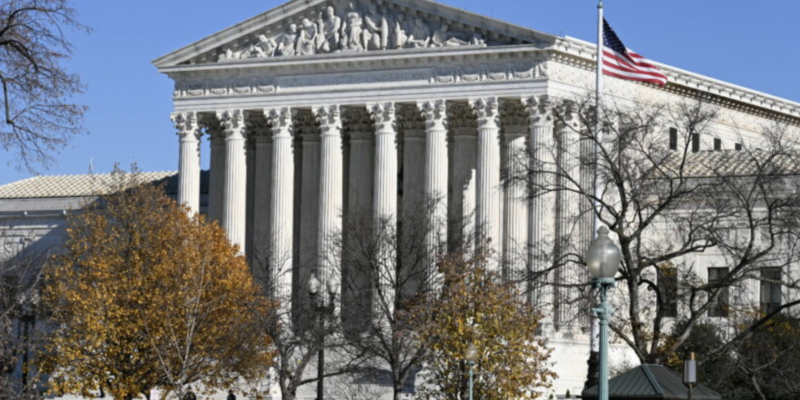

The Supreme Court struck down President Donald Trump's executive order limiting birthright citizenship Tuesday, ruling 5-4 that the 14th Amendment guarantees citizenship to children born in the United States regardless of their parents' immigration status.
The ruling leaned on the 14th Amendment, which states that anyone "born or naturalized in the United States, and subject to the jurisdiction thereof" is a citizen. The Court said the language applies even to children of undocumented or temporary residents.
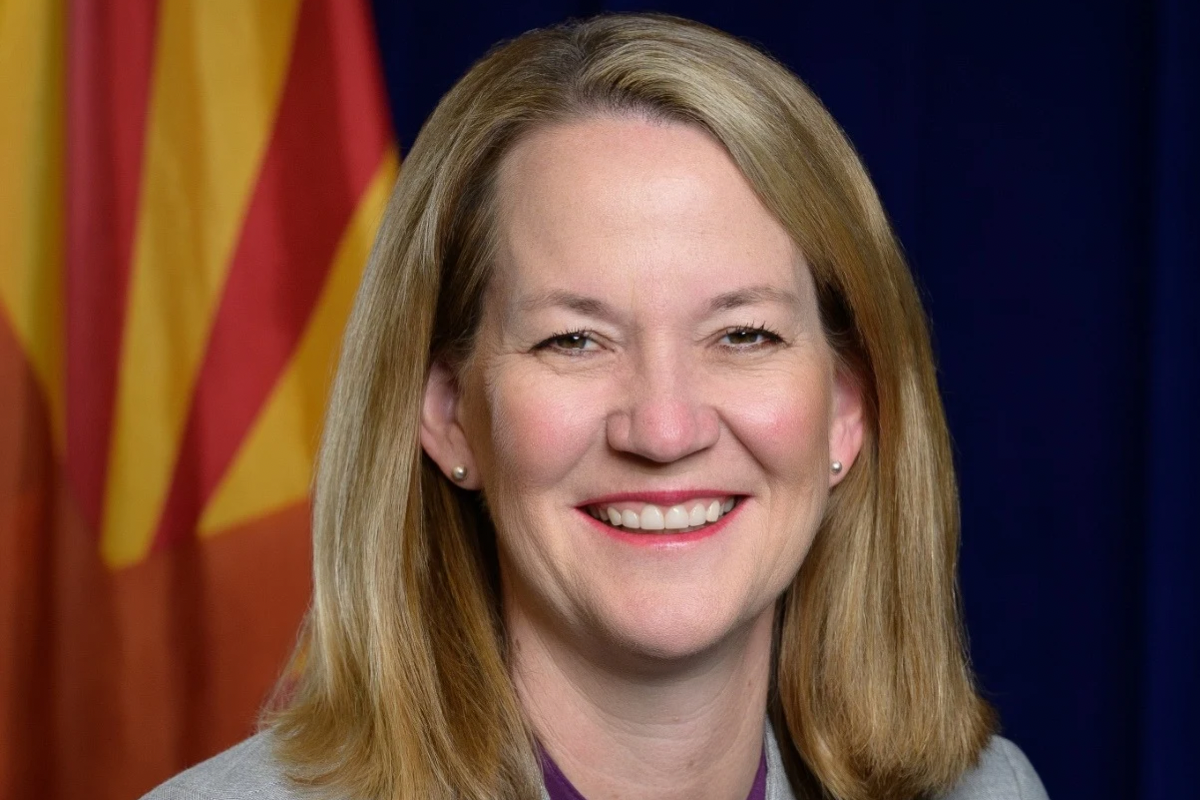
For Arizona, political leaders responded to the ruling, starting with Attorney General Kris Mayes (D-AZ), who had been fighting Trump's order since the day it was signed, and responded to the decision on X.
"The Supreme Court just upheld that anyone born in America is a citizen," she wrote, calling it "a huge win for Arizona families" and a victory for a constitutional right the country has recognized for 150 years.
Representative Greg Stanton (D-AZ) was equally direct, arguing the administration knew exactly what it was doing. "Trump knew his EO was illegal the moment he signed it," he wrote, adding that House Democrats had filed a legal brief challenging the order from the start.
Additionally, Representative Adelita Grijalva (D-AZ) kept her response simple yet pointed. "Birthright citizenship is a constitutional right. Period," she posted, adding that the Constitution "couldn't be more clear" on the matter.
Arizona's Families
So what does this mean for families in Arizona? Not much will change, and that's the point. Children born in the state remain U.S. citizens just as they always have, and hospitals, schools, and state agencies can continue operating exactly as before. Arizona's Attorney General's office confirmed there's no need for anyone to worry or relocate.
Under the ruling, which stems from the Supreme Court's interpretation of the Constitution, Arizona cannot create a rule that conflicts with the Constitution, and neither can any other state. Only a constitutional amendment could undo it.
For a state with one of the largest immigrant populations in the country, the decision resolves months of uncertainty for families who had been navigating ambiguity since the executive order was first introduced.