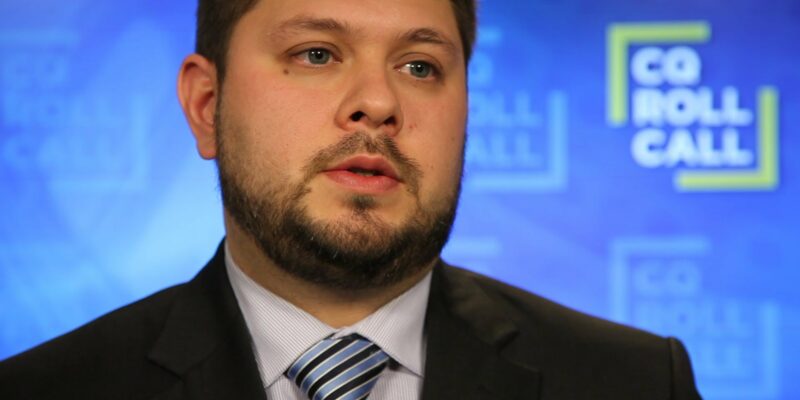

Senators Ruben Gallego (D-AZ) and Mark Kelly (D-AZ) spearheaded a recent letter to the U.S. Census Bureau opposing a proposed rule change that they argue is unconstitutional.
The Proposal
In September, the Census Bureau published a proposed rule that would exclude foreign residents who are not citizens or lawful permanent residents and exclude questions related to race, ethnicity, and other demographic details from the census questionnaire.
The Opposition
"The proposed rule violates the clear meaning of the Constitution, which requires that the Census Bureau count the 'whole number of persons in each state,'" Sens. Gallego and Kelly wrote. "The proposed rule would also cause communities across the country to be counted inaccurately, jeopardizing their fair representation in Congress and access to billions of federal dollars for education, health care, and public safety services."
They argue that removing the demographic information questions from the questionnaire would undermine the ability for civil and voting rights laws to be enforced, along with making the tracking of other factors such as unemployment, poverty rates, fertility/mortality, cancer, and labor participation rates more difficult, which the Bureau itself acknowledged.
"The Bureau also admits in its filing that the proposal would hamper the usability of data for state and local governments who rely on precise and accurate population estimates for small geographic areas," the letter continued. "Businesses and local governments that depend on reliable and complete federal data have warned that the Census Bureau's proposal would increase costs as data is degraded."
Previous Joint Concerns
Sens. Gallego and Kelly have also questioned other proposed changes from the Trump Administration in recent weeks, starting with a proposed elimination of the mandatory 30-day public notice period for constructing data centers at the beginning of October.
Shortly after, they raised concerns about changes to the federal Head Start program, urging the preservation of federal standards concerning classroom sizes, instruction, and health screenings, citing that Arizona's Head Start and Early Head Start programs serve 16,172 children across 332 program sites.
Finally, Gallego and Kelly challenged the modification of standards for the Regional Haze Program to maintain air quality standards in 156 designated areas, including the Grand Canyon, from air pollution and haze effects.