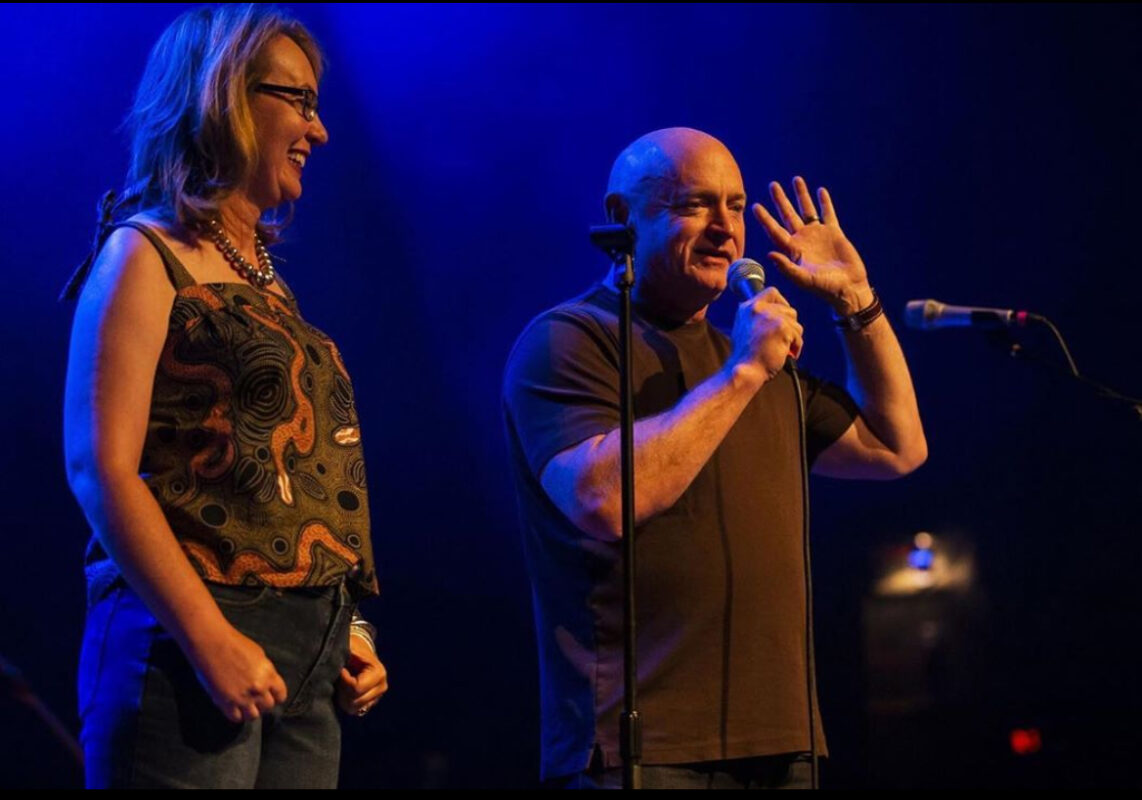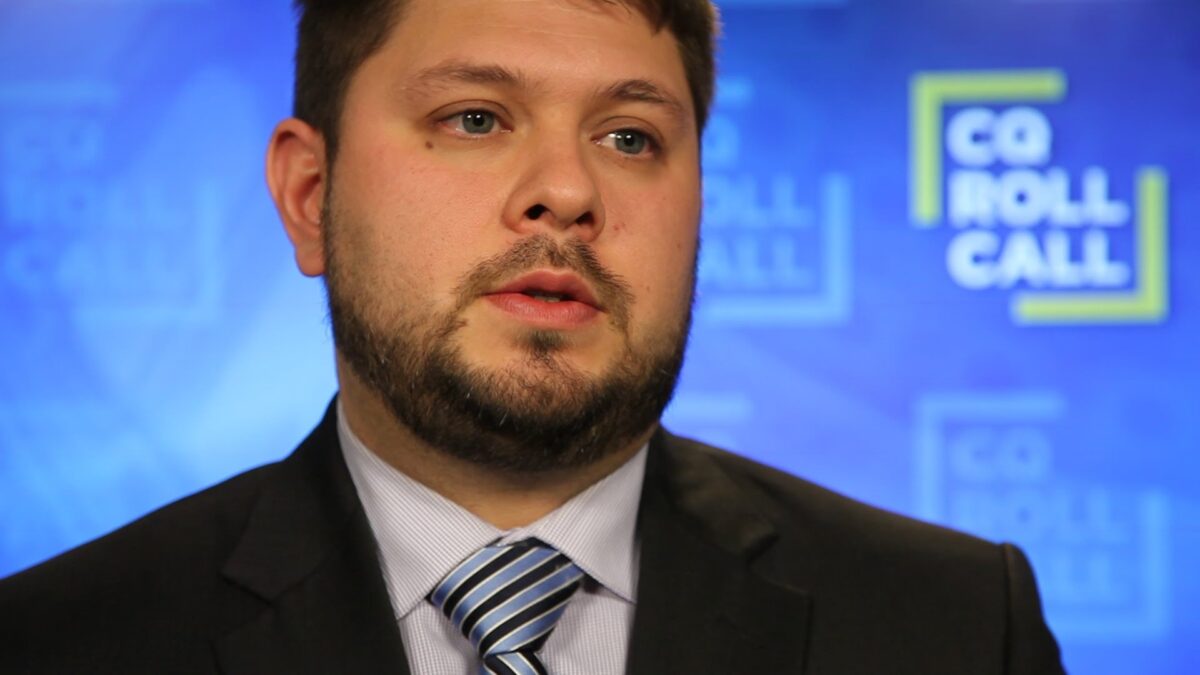

Senators Ruben Gallego (D-AZ) and Mark Kelly (D-AZ) are demanding answers from Environmental Protection Agency (EPA) Administrator Lee Zeldin over recent changes to air quality standards at the Grand Canyon.
The Context
The Regional Haze Program is an EPA system wherein federal, state, and local authorities work together to maintain air quality standards in 156 designated areas, including the Grand Canyon, from air pollution and haze effects.
States must provide plans every ten years on reducing air pollution and haze effects at the designated sites through a federal uniform rate of progress (URP) considering compliance costs, necessary time, energy and non-air environmental costs, and remaining useful life of the source.
Beginning in March 2025, Administrator Zeldin announced that the program would be overhauled because the regulations impacted power plants and other energy providers.
The problem, as Sens. Gallego and Kelly argue, is that the new rules allow states projected to outperform the URP to avoid new emission reductions without meaningfully applying the four statutory factors mentioned above.
What They're Saying
"Preserving the iconic views of these treasured parks and wilderness areas is why Congress established the Regional Haze Program nearly fifty years ago, recognizing that some landscapes are simply too important to allow pollution to obscure. Yet today, 98 percent of national parks suffer from hazy skies, reducing visibility by an average of 50 miles," Sens. Gallego and Kelly wrote, further noting that the haze isn't just a visibility problem, but a health one.
"The same fine particle pollution that obscures views at national parks across the country also poses great harm to public health. Fine particulate matter, including particles formed from sulfur dioxide and nitrogen oxides emissions, have been linked to asthma, decreased lung function, heart problems, and premature death in people with existing conditions," they continued, adding, "Reducing haze-forming pollution helps protect not only the views that draw millions of visitors to our national parks, but also the health of those visitors and nearby communities."
As a result, the Arizona Senators demanded answers from Zeldin on how these changes will maintain the current rate of progress in reducing haze at national parks.