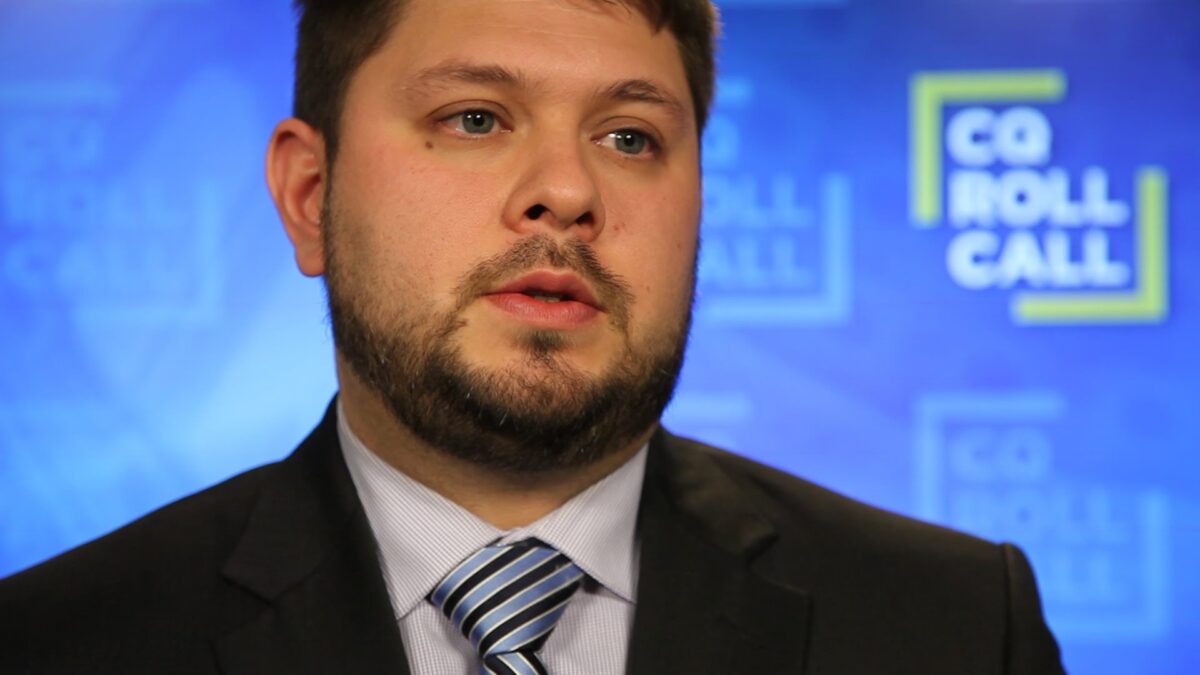


Senator Ruben Gallego (D-AZ) has introduced a resolution to establish a Senate Select Committee on Artificial Intelligence (AI).
What the Committee Would Do
If established, the committee would serve as a bipartisan forum for the ongoing development of AI, studying its impact on the economy and workforce, national security, and everyday life.
More importantly, it would examine where federal oversight falls short and develop legislation to create and address safeguards through hearings and investigations, information gathering from federal agencies, and issuing subpoenas.
What Gallego is Saying
"The rapid development and deployment of Artificial Intelligence is akin to Dr. Frankenstein saying, 'The monster is loose. Help me stop the monster,'" said Sen. Gallego through a press release. "Congress must keep up and act. A bipartisan select committee would provide the vehicle for a focused, informed approach to governing AI that protects America's national security interests while maintaining a competitive edge in the AI race."
Sen. Gallego previously called for the establishment of the committee earlier in September in a letter to Senate Majority Leader John Thune (R-SD) and Senate Minority Leader Chuck Schumer (D-NY), writing, "AI is likely to be one of the most transformative technologies in human history. It has already accelerated drug discovery, expanded access to expert-level knowledge across numerous different fields, and improved productivity across industries, with one leading estimate suggesting the technology could raise global GDP by as much as 7 percent or nearly $7 trillion over a ten-year period."
Mark Kelly's Bill
Last week, Senator Mark Kelly (D-AZ) introduced the Make AI Work for Americans Act, which creates a new National Service for America's Future program that helps workers earn credentials, certifications, or apprenticeships and expands existing workforce development, education, research, economic development, and labor market programs.
Other provisions include increased unemployment benefits and an updated workforce development program to ensure faster responses to changes in the labor market and employer needs through investments in community college partnership training programs.