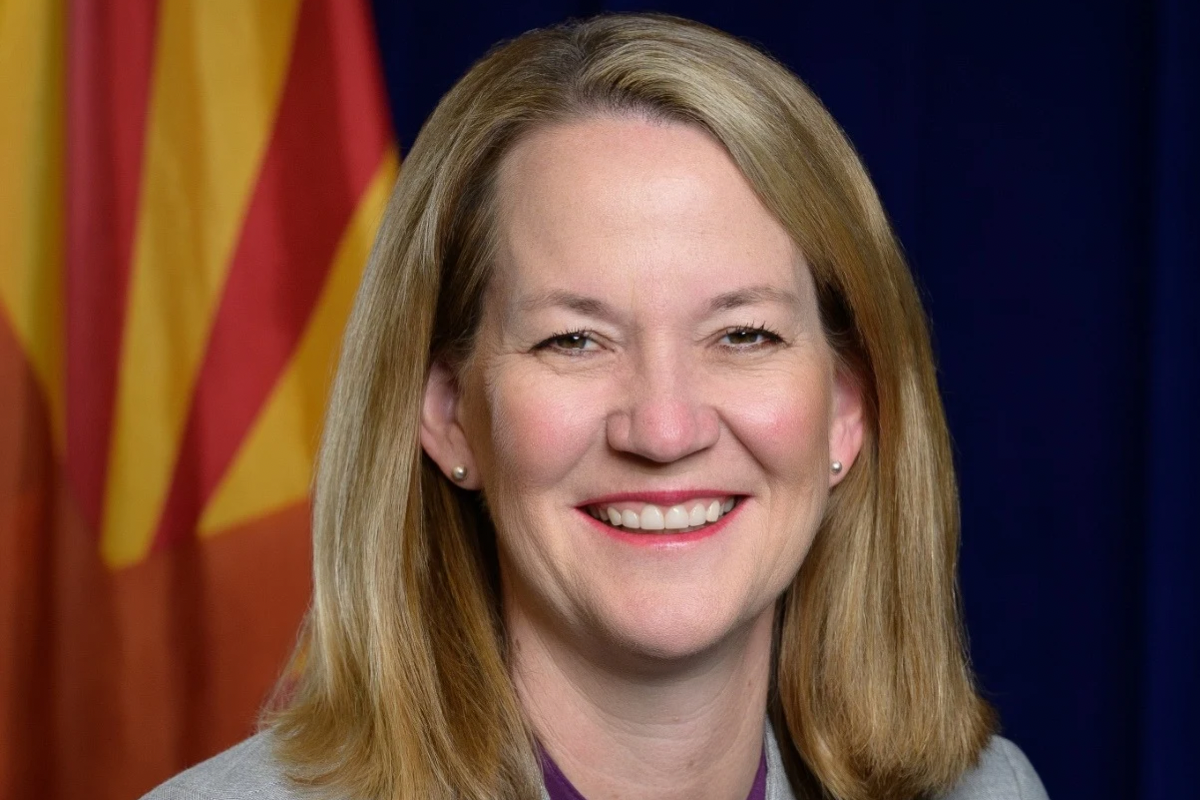

Arizona Attorney General (AG) Kris Mayes has announced a settlement in the ongoing merger between Warner Bros. Discovery and Paramount Skydance, which has faced litigation over the past several months.
The Settlement
Paramount and Warner Bros. reached a settlement with more than a dozen states on Monday, including several provisions and stipulations.
For instance, 30 films must be released in the first two years of the merger, including 20 wide releases, and 32 (with 21 wide releases) in the third, fourth, and fifth years.
Failure to comply with this statute would require the divestment of Miramax Studios and a $30 million fine per missed film to go toward the health care and retirement trust funds associated with the Writers Guild of America (WGA), International Alliance of Theatrical Stage Employees (IATSE), Directors Guild of America (DGA), International Brotherhood of Teamsters (IBT), and other unions, toward the Motion Pictures & Television Fund, and to the National Association of Attorneys General (NAAG) for more antitrust enforcement.
Additionally, the combined companies must invest more heavily in domestic film production, invest $45 million for the first five years in training and career development for workers displaced by the merger, and negotiate Paramount basic cable channels independently of Warner Bros. basic cable channels.
What Mayes is Saying
"This settlement will support Arizona businesses, including local movie theaters, by ensuring films get theatrical releases that bring audiences through their doors and boost the neighboring shops and restaurants around them," said AG Mayes in a statement, adding, "I'm proud to have fought for Arizona's businesses."
Previous Developments
Mayes joined over a dozen states' attorneys general in July opposing the merger, arguing that combining two of Hollywood's five major film studios and two of its five major basic cable companies would eliminate meaningful competition and ultimately cost consumers more money for movies and television.
Later that month, she helped secure a temporary restraining order in the U.S. District Court for the Northern District of California, preventing the merger from proceeding while the court considered a preliminary injunction.