

Arizona is taking Hollywood to court, and the stakes go beyond the silver screen.
Attorney General Kris Mayes (D-AZ) joined a coalition of 12 attorneys general this week in filing a lawsuit to block the proposed $110 billion merger between Warner Bros. Discovery and Paramount Skydance Corporation.
The legal challenge argues that combining two of Hollywood's five major film studios and two of its five major basic cable companies would eliminate meaningful competition and ultimately cost consumers more money for movies and television.
"If this merger goes through, Arizonans could face higher prices to see new movies and to access basic cable channels," Mayes said. "Consolidation in industry after industry will only lead us in one direction: higher prices and degraded quality and service for Arizonans. We cannot let that happen."
What the Merger Entails
If the merger is approved, the numbers behind the concern are significant: the combined company would control roughly 27 percent of wide-release theatrical film distribution in the United States.
When it comes to anticipated blockbuster films specifically, that figure climbs above 30 percent.
On the cable side, the merged entity would hold about 27 percent of the basic cable channel licensing market, combining the second- and third-largest players in that space.
The coalition's lawsuit argues the deal violates federal antitrust law by substantially reducing competition.
However, movie theaters, they say, currently benefit from Warner Bros. and Paramount competing for the best screens and calendar slots, a competition that pushes both studios to offer better terms.
Cable distributors rely on the same dynamic when negotiating for programming rights. Remove that competition, and both theaters and distributors lose leverage, with the costs eventually passed on to audiences.
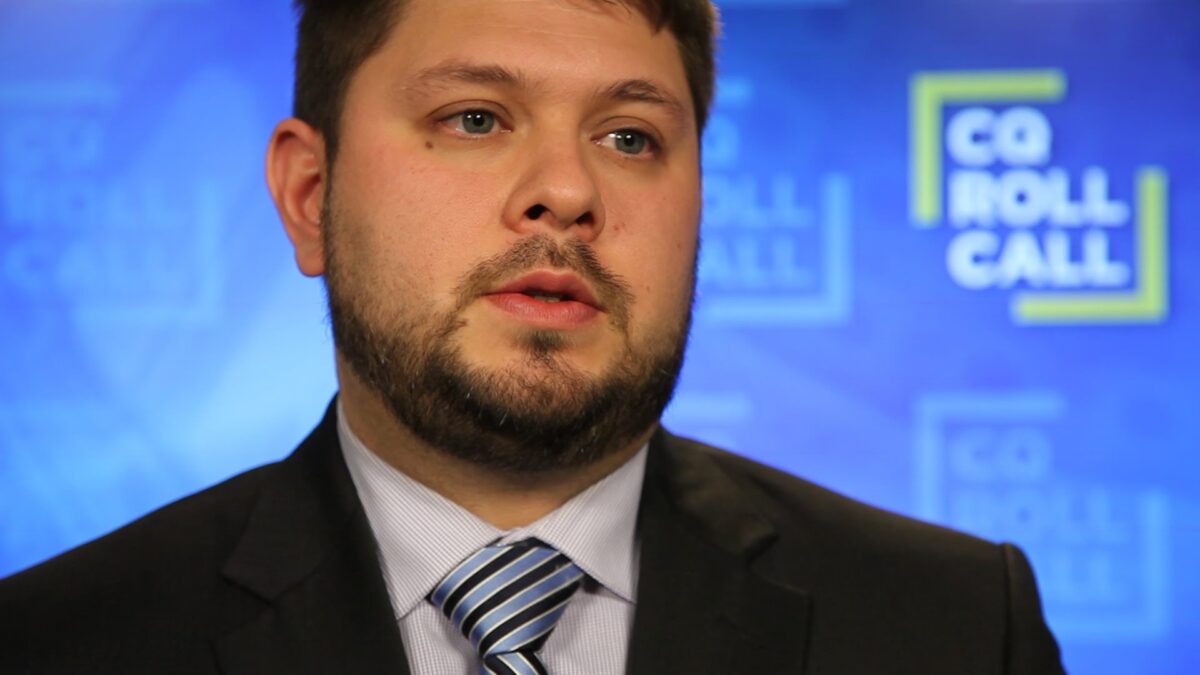
Additionally, Senator Ruben Gallego (D-AZ) added his voice to the opposition, citing the state's specific economic consequences.
"Arizona has 11,600 jobs and $530 million in labor income tied to movie theaters, all put at risk," he wrote, criticizing the Department of Justice for approving the deal despite his earlier objections. "Arizona and 11 other states are stepping in to do what the federal government wouldn't."
The coalition has asked the companies not to close the merger while the legal challenge plays out in federal court.