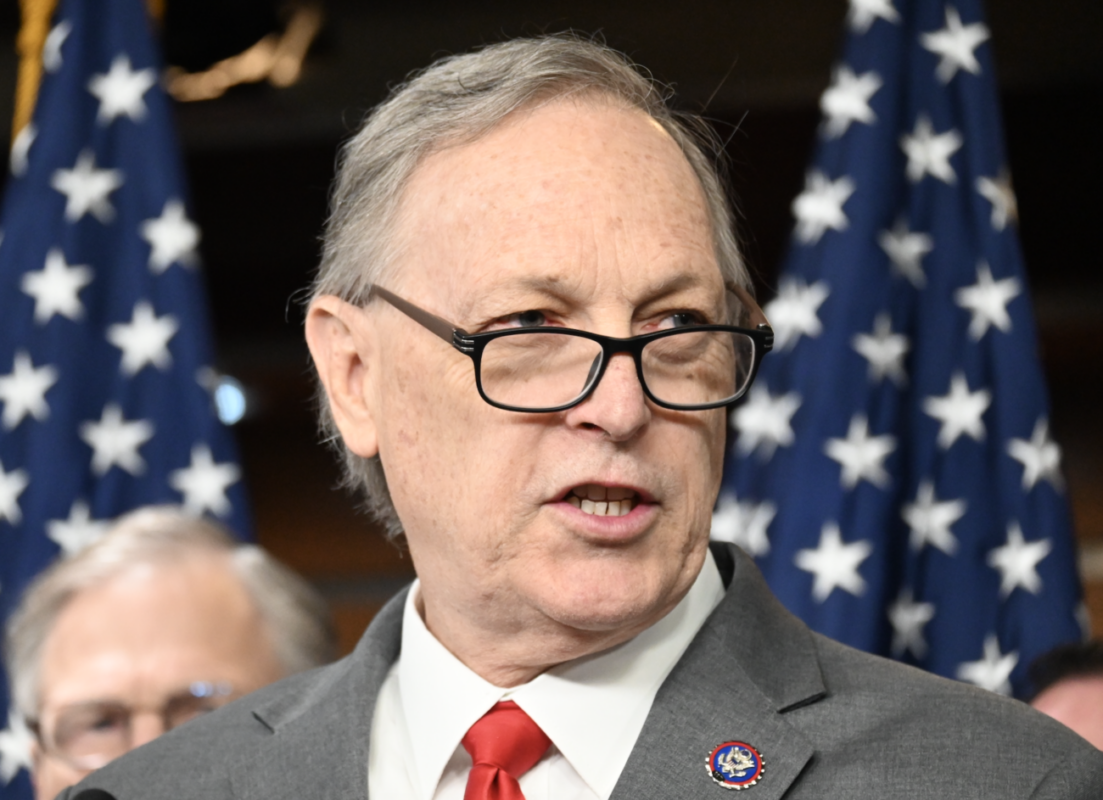

Representative Andy Biggs (R-AZ) spearheaded a letter to the Government Accountability Office (GAO) demanding an investigation into federal law enforcement agencies improperly spying on Americans' bank accounts and financial information.
The Context
In a letter to Acting Comptroller General Orice W. Brown, Rep. Biggs emphasized that there are currently few, if any, judicial safeguards to prevent federal law enforcement agencies such as the FBI, the Department of Justice (DOJ), and the Financial Crimes Enforcement Network (FinCEN) from spying on Americans' finances.
Specifically, the FBI can demand financial records with National Security Letters (NSLs) without prior judicial review, but the 2016 USA FREEDOM Act requires individualized justifications and strict expiration protocols.
Rep. Biggs's letter demands assurance that the FBI is complying with the law.
Additionally, the DOJ disclosed in 2024 that it fails to track compliance with notice rules to citizens when bank information is turned over to the federal government despite the Right to Financial Privacy Act mandating these notices.
The effort, then, questions how many Americans remain unaware that their finances were looked at?
Third, these agencies can perform "hot-watches," meaning they can compel a financial institution to report new customer transactions in real time without Congressional approval, justifying this action through a broad reading of the 1789 All Writs Act.
Finally, FinCEN and the FBI have allegedly compelled banks to run broad, informal searches across customer databases via Suspicious Activity Reports (SARs) and Bank Secrecy Act mechanisms that catch innocent Americans, circumvent safeguards in the PATRIOT Act, and permanently prevent customers from informing others that their records were turned over.
What Biggs is Saying
"Americans' financial records can reveal deeply sensitive information including their religion; the political causes and non-profit organizations they support, including through membership; the doctors' offices and clinics where they are treated; where they travel and with whom; and countless other private personal details," the Arizona congressman wrote in the letter. "Despite the sensitivity of this data, Americans' financial records receive few protections against government surveillance and existing legal authorities have at times been abused or stretched beyond their intended purpose."