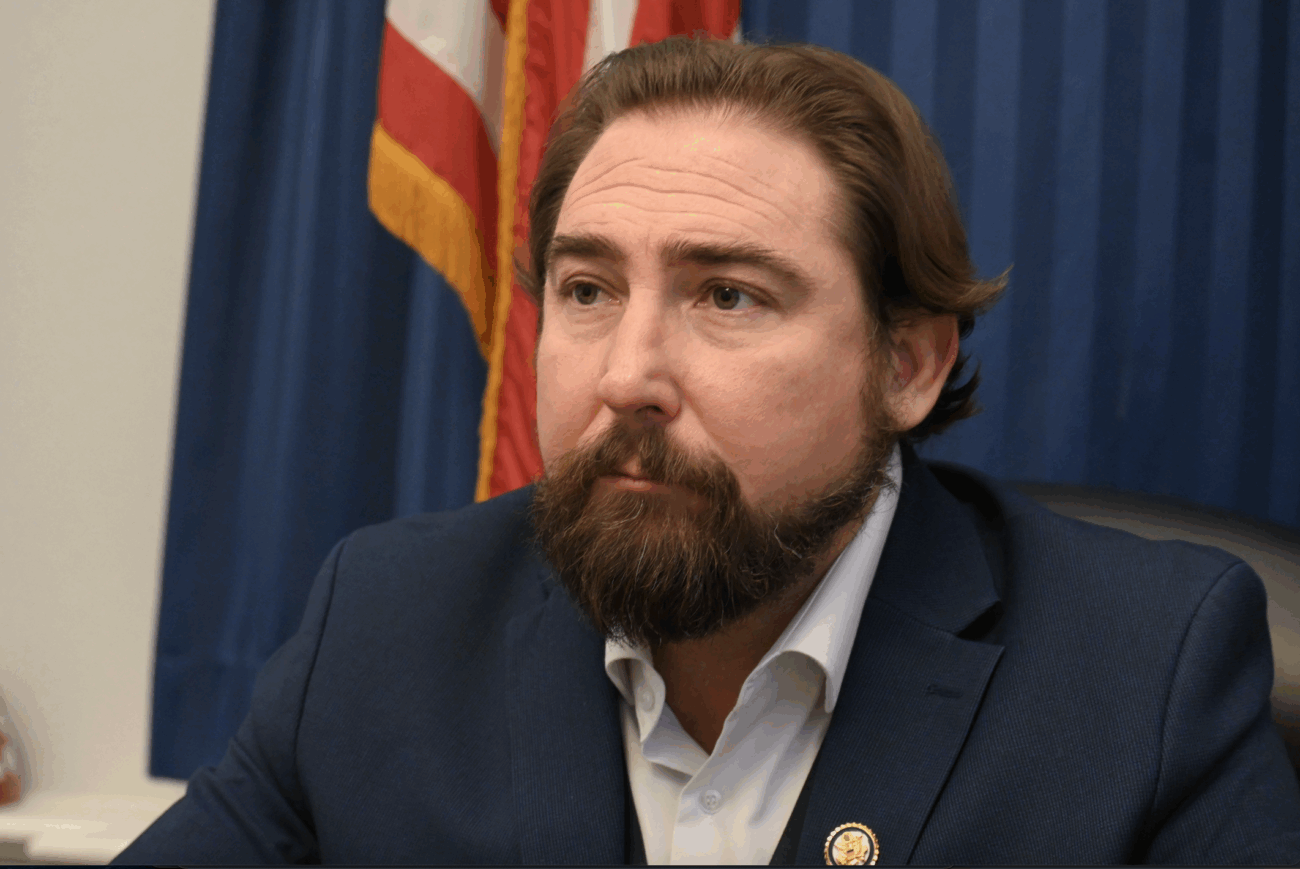
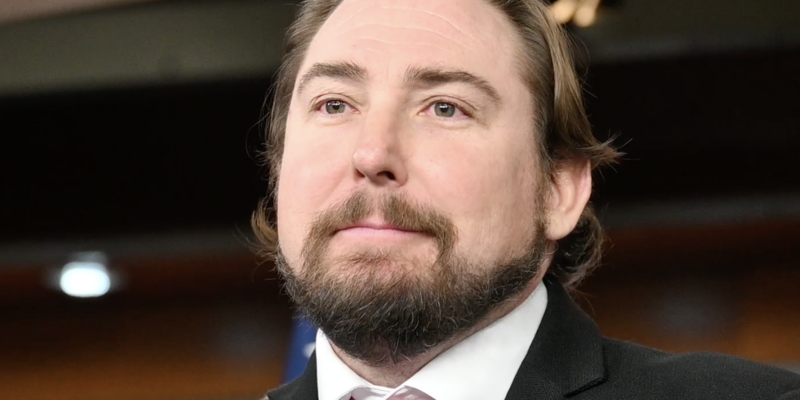

Representative Eli Crane (R-AZ) is introducing a bill named after Nicholas Quets, a Marine Corps veteran murdered by the Mexican Sinaloa drug cartel.
What the Bill Does
Rep. Crane's Nicholas Douglas Quets Border Travel Safety Act mandates the construction of signs near the Mexican border with clear warnings about areas the State Department Travel Advisories designate as too dangerous because of cartels and other threats.
The Travel Advisories have these designations, but travelers entering or leaving Mexico by land may not know they are in such an area.
What Crane is Saying
"Nicholas Quets, a U.S. Marine Corps veteran and hardworking member of his community, represented the very best of America," Rep. Crane said in a press release, adding, "While driving to Puerto Peñasco, Nicholas was chased down and murdered by Sinaloa Cartel gunmen after fleeing an illegal checkpoint."
The Arizona congressman emphasized that "the cowardly killing of this tremendous young man is yet another tragic instance of Americans being targeted by sinister cartels that operate with near-total impunity across Mexico."
Crane described working with Quets' father, Lt. Col. Douglas Quets (Ret.), saying he was "honored to work with him and Representative Juan Ciscomani (R-AZ) on two bills and a resolution in Nicholas' name. Our measures will warn travelers of dangerous areas before they cross the border, push for faster coordination with Mexican authorities when U.S. citizens are victims of serious crimes, formally honor his service, and condemn the criminals responsible for his death."
"No family should ever endure what the Quets family has, and I'm hopeful this approach will save innocent lives, hold these murderous organizations accountable, and ensure this fallen patriot is never forgotten," Crane concluded.
Kelly's Earlier Bill
The Nicholas Douglas Quets Border Travel Safety Act is the House companion bill of Senator Mark Kelly's (D-AZ) legislation of the same name, which Sen. Kelly introduced in April.
With it, Sen. Kelly also introduced the U.S.-Mexico Rapid Response for Victims of Crime Act, which seeks to have the American and Mexican governments work together on a rapid response protocol for serious crimes against U.S. citizens in Mexico, including the creation of procedures for evidence preservation and sharing, investigative coordination, extradition coordination, joint training, and family communication.