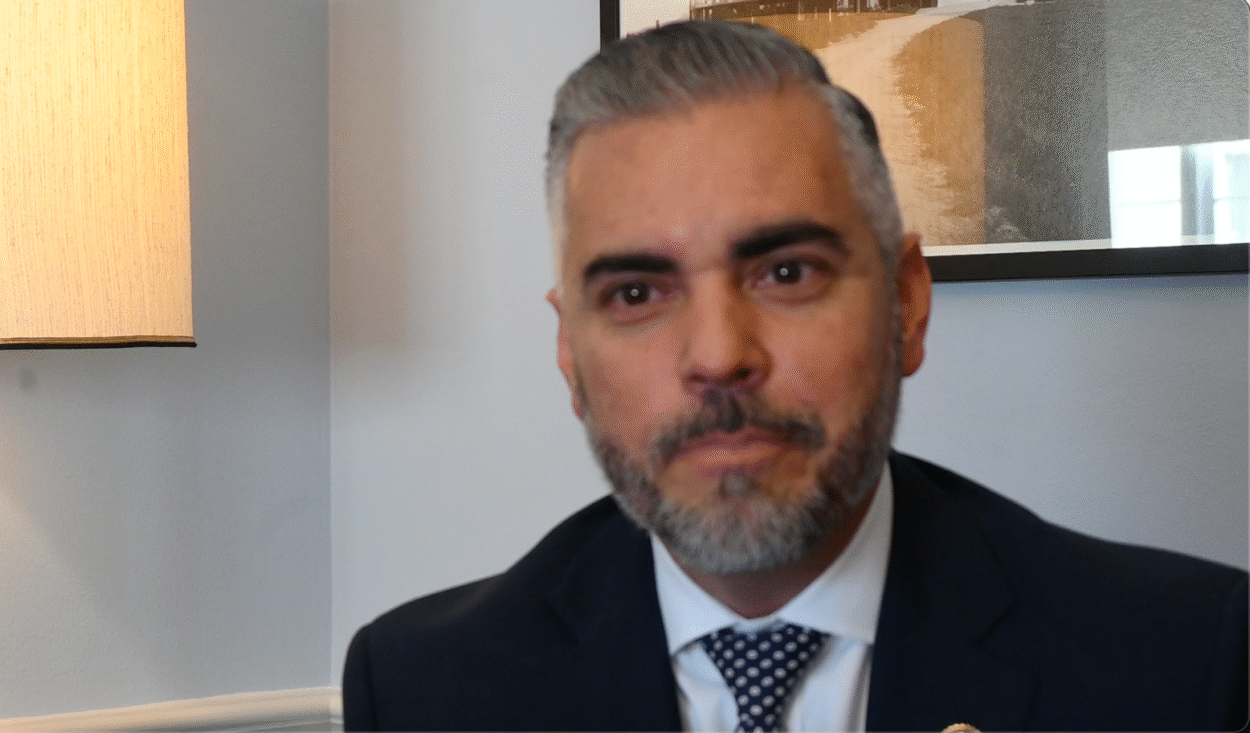

Representative Juan Ciscomani (R-AZ) is joining in the push to keep the Indian Health Service (IHS) office in Tucson open.
Democrats Got the Ball Rolling
In June, 30 Arizona Democratic lawmakers wrote to Health and Human Services Secretary Robert F. Kennedy Jr. voicing their opposition to closing the Tucson office and folding their operations into the Phoenix office.
Aside from providing direct care, the Tucson IHS office coordinates, provides technical assistance, and oversees thousands of Native American residents in the region who belong to the Tohono O'odham Nation, the Pascua Yaqui Tribe, and other groups.
"Any decision that affects healthcare access, service delivery, or tribal self-determination must be made in partnership with Tribal governments," the Democratic lawmakers wrote.
Ciscomani's Demand
In a more recent letter to Secretary Kennedy, Rep. Ciscomani echoed the lawmakers, writing, "For tribal communities across Arizona's Sixth District, Tucson Indian Health Services is a critical health care lifeline, serving nearly 28,000 members of our local community."
Moreover, he emphasized that "closing this facility would have damaging effects that ripple throughout Southern Arizona, forcing patients to travel farther for care and placing additional strain on the Phoenix office."
In a post on X, Rep. Ciscomani further called the closure of the Tucson IHS office "entirely wrong."
Previous Healthcare Work
Late in July, the Arizona congressman introduced the bipartisan Alzheimer's Early Detection Act, which requires Medicaid and private insurers to provide coverage for early Alzheimer's detection for adults who do not qualify for Medicare, especially if their family has a history of Alzheimer's, along with a directive for the Director of the National Institutes of Health (NIH) to conduct a study on the value of biomarker testing in detecting and diagnosing the disease.
"Early detection can change the way families approach Alzheimer's disease by providing patients and their loved ones with critical information sooner," said Ciscomani, noting that "this issue is deeply personal to me. Like most Americans, several people close to me are currently battling with this horrendous disease."