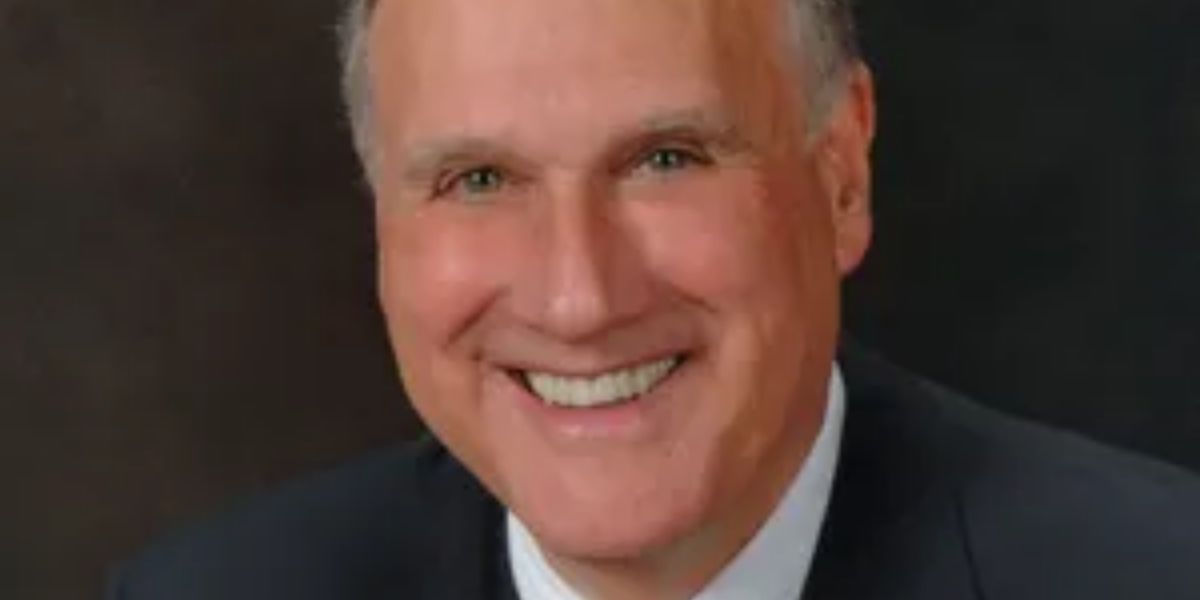
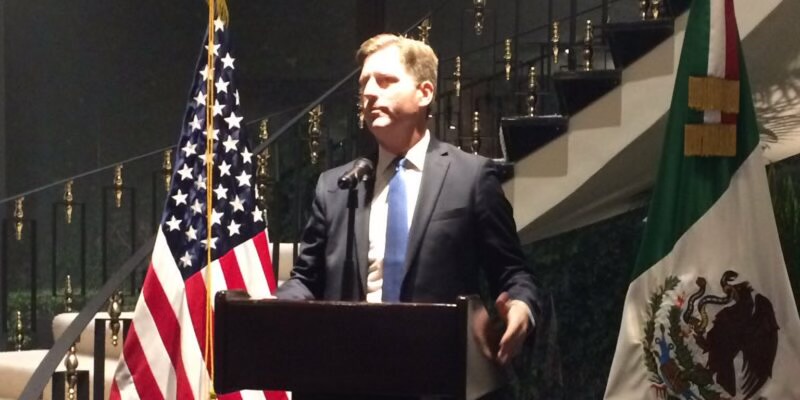

Representative Greg Stanton (D-AZ) joined in a letter from House Infrastructure and Transportation Committee Democrats to Federal Transit Administration (FTA) Acting Deputy Administrator Matthew Cahill and Office of Management and Budget (OMB) Director Russell Vought demanding the release of funds for infrastructure projects.
The Context
The Capital Investment Grants (CIG) program provides federal funding for transit capital investments, including heavy, light, and commuter rail systems, buses, and streetcars. However, since President Donald Trump returned to office, no new CIG agreements have been made, and approximately $1.9 billion in unobligated funds is just sitting there.
"The growing backlog of projects in limbo due to FTA and OMB inaction is unacceptable," Rep. Stanton and other Democrats wrote. "Since last fall, your agencies have neglected to advance the Boston Green Line Transformation project, the Los Angeles Southeast Gateway Line and the Salt Lake City region's Frontrunner 2X project into the CIG Engineering phase—without justification for the delay."
"Quit Stalling!"
As a result, Rep. Stanton reminded Cahill and Vought that "No Administration since 1993 has failed to sign a single CIG grant agreement in the first year: we urge you not to set a new record by failing to sign CIG grant agreements for two years in a row."
Moreover, 11 infrastructure projects in 10 states – those being Florida, California, Maryland, North and South Carolina, Minnesota, Utah, Washington, and Wisconsin – will go without the funding needed to advance their transportation-related needs.
Holding them up is economically pointless: every dollar invested in public transit is $5 in long-term value.
The letter concludes by making the point that transit infrastructure investments are a bipartisan issue, and thus "any effort to impede or hinder CIG projects does serious harm to the bipartisan coalition that supports federal infrastructure investment."
Previous Infrastructure Funding Work
Last May, the Arizona congressman introduced the Highway Formula Fairness Act, which allows 10-year census data to be considered when determining how to award Highway Trust Fund money, while also requiring the Secretary of Transportation to conduct a study assessing data and apportionment methods.