
Not many Republican primary debates end with the conservative frontrunner talking up his Democratic opponents. Wednesday's Arizona governor's race forum was an exception.
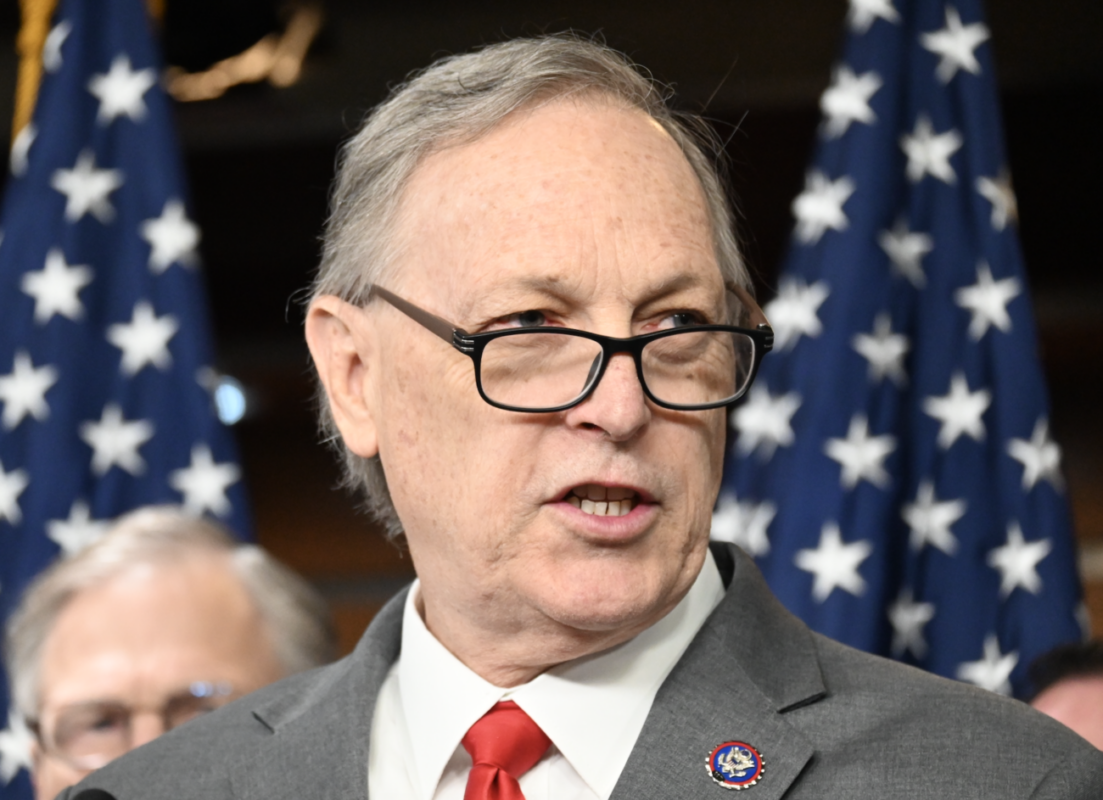
Representative Andy Biggs (R-AZ), seeking the GOP nomination for governor, sat across from fellow Republican David Schweikert (R-AZ) in what turned out to be one of the more subdued primary debates of the cycle.
The two kept things largely civil, policy-dominated, and free of personal shots, and the evening moved along without the kind of confrontational moments that tend to dominate post-debate coverage.
Then the conversation turned to water, and things got interesting.
Arizona has been watching its Colorado River allocation shrink for years, and the rapid arrival of data centers, massive facilities that consume enormous amounts of water, has added a new layer of urgency to an already complicated situation.
Governor Katie Hobbs (D-AZ) negotiated a three-year pause on sales tax breaks for incoming data center projects as part of this year's state budget, a concession she and fellow Democrats have been vocal about claiming credit for.
Bipartisan Pushes
The Phoenix News Times reported Biggs was asked whether he would have done the same. He said yes. He went further than that, actually, crediting the legislature for putting the idea together and signaling he would carry the policy forward if elected. "You're not gonna be treated special any longer," he said of data center companies looking for preferential deals.
Then came the part that caught people off guard. Rather than drawing the usual bright line between himself and Arizona's Democratic leadership, Biggs began naming Democrats he has worked alongside. He mentioned Senator Mark Kelly (D-AZ) in the context of water negotiations involving a Utah reservoir and Representative Greg Stanton (D-AZ) in relation to securing water funding for the state.
For a congressman who built his national profile on uncompromising conservatism, the tone was a noticeable departure.
Arizona's electorate has shifted considerably in recent years, with independent voters now making up the largest segment, a reality that shapes how candidates in competitive statewide races tend to position themselves as a primary gives way to a general election.