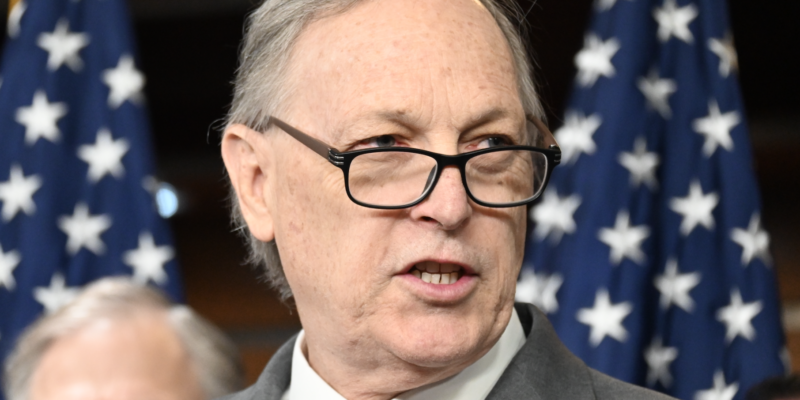

Representative Andy Biggs (R-AZ) is celebrating the unanimous passage of his Taxpayers Resources Used in Emergencies (TRUE) Accountability Act in the House.
What the Bill Does
The Taxpayers Resources Used in Emergencies (TRUE) Accountability Act, which Rep. Biggs introduced in late April, would direct agencies to incorporate two existing GAO frameworks – one focused on improper payments in emergency assistance programs and the other on fraud risks across 20 federal programs – into their operational planning.
As a result, anti-fraud measures are continuously part of the program rather than created during an emergency, when the opportunity is already present.
GAO estimated that anywhere between $233 billion and $521 billion in fraud is lost every year.
What Biggs is Saying
"For decades, fraud has run rampant in bloated government programs," said Rep. Biggs in a press release. "American taxpayers work extremely hard for their money, and they deserve to know that government agencies are committed to wisely stewarding their dollars – not allowing the funds to be stolen by fraudulent entities, especially in times of emergency or crisis."
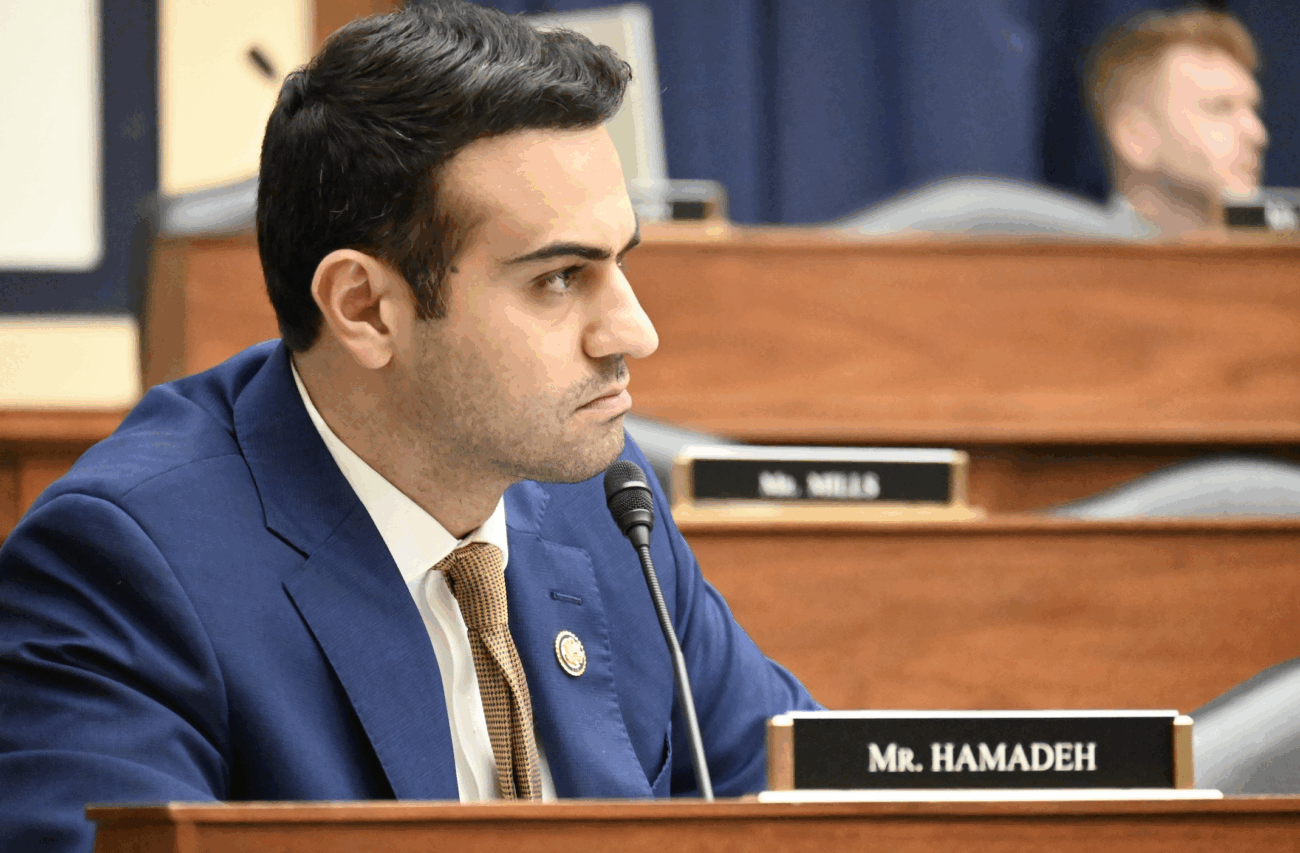
The Arizona congressman continued, "This is an issue that Members of both parties can support, and I am grateful for Congressman Subramanyam's partnership and today's unanimous passage by the U.S. House of Representatives. It's time to send a message to American taxpayers that their government officials are serious about safeguarding their dollars."
Other Lawmakers Confronting Fraud
In May, Representative David Schweikert (R-AZ) pushed for passage of his Combating Deceptive Practices in Assistance Programs Act on social media in response to a Daily Wire exposé on Medicaid fraud.
As Rep. Schweikert noted, "New York has 171 home health aides per 1,000 seniors. The U.S. average is 68. That is not normal. That is Medicaid fraud on a massive scale, and taxpayers are being forced to fund it. My bill would fix that."
That same month, Arizona State Senator Carine Werner (R-4) brought a Medicaid fraud case exploiting Native Americans to federal court. The allegations involve patient brokering, fraudulent billing, and repeat offenders who, Werner says, have continued to operate despite prior enforcement activity.