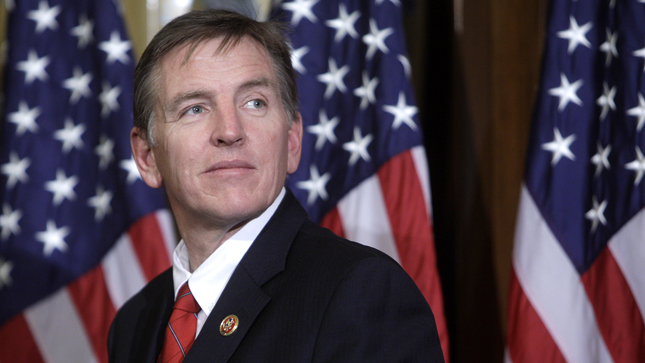


Rep. Biggs has introduced the Taxpayers Resources Used in Emergencies Act, known as the TRUE Accountability Act, a bipartisan bill that would require federal agencies to have concrete, data-driven plans in place to prevent fraud before a crisis ever hits.
Virginia Congressman Suhas Subramanyam (D-VA) signed on as a co-lead, with the legislation rooted in sobering numbers.
The Government Accountability Office estimates that the federal government loses between $233 billion and $521 billion to fraud each year.
During the COVID-19 pandemic alone, that problem reached a staggering scale; more than $300 billion in fraudulent activity was estimated across relief programs between 2020 and 2023, with 19 separate pandemic assistance programs identified as having been targeted and defrauded as of 2024.
The bill would direct agencies to incorporate two existing GAO frameworks, one focused on improper payments in emergency assistance programs, the other on fraud risks across 20 federal programs, into their operational planning.
The idea is to stop agencies from scrambling to build anti-fraud systems in the middle of a crisis, when money is already flowing, and bad actors are already circling.
"American taxpayers work extremely hard for their money, and they deserve to know that government agencies are committed to wisely stewarding their dollars," Biggs said, "not allowing the funds to be stolen by fraudulent entities, especially in times of emergency or crisis."
Subramanyam echoed the sentiment, emphasizing that emergency funds should reach the people who actually need them.
The TRUE Accountability Act is scheduled for markup in the House Committee on Oversight and Government Reform this week, with a full House vote expected to follow.
For Biggs, who is also running for governor of Arizona in 2026, the bill adds a fiscal accountability message to his broader political profile heading into a competitive election cycle.
"For decades, fraud has run rampant in bloated government programs... I call on my colleagues on both sides of the aisle to send this legislation to the U.S. Senate and then to the White House," Biggs concluded.