
California requires doctors to take continuing education courses to keep their medical licenses, like mandatory job training. The state recently added a new requirement: those courses must include instruction on "implicit bias," the idea that unconscious prejudices affect how doctors treat patients and contribute to unequal health outcomes.
The problem, according to a group of private instructors who teach those courses, is that they don't agree with that premise. They say the evidence is disputed and that California is essentially forcing them to stand before a classroom and argue for a position they personally reject.
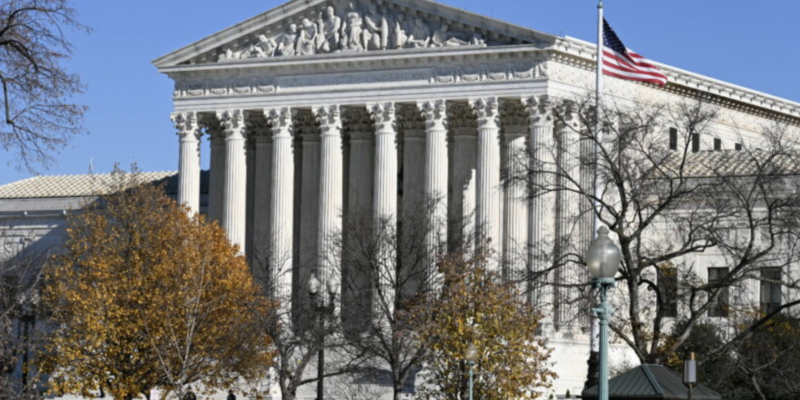
That's the case now heading toward the Supreme Court, and Senate President Warren Petersen (R-AZ) wants the justices to take it up.
Petersen co-led an amicus brief filed Monday, a formal document urging the Court to hear the case, alongside 14 attorneys general. Together, they argue California is violating the First Amendment by compelling private citizens to deliver a government-approved message.
"California's radical politicians think they can force doctors and medical educators to promote the state's DEI agenda, whether they believe it or not," Petersen wrote on X after the filing."That's not education. That's government-compelled speech."
Coalition's Argument
A lower court – the Ninth Circuit – sided with California, ruling the training requirement counts as "government speech,” a legal classification that largely puts it beyond First Amendment challenge. The coalition says that reasoning is dangerous.
If it holds, they argue, states could use the same logic to force lawyers, teachers, financial advisors, and other licensed professionals to publicly endorse government positions on controversial topics.
The brief points to a recent Supreme Court decision that struck down a Colorado law restricting what therapists could say to clients, arguing this case is the flip side of the same coin. Additionally, fighting against the government can't stop professionals from speaking; it shouldn't be able to force them to say anything either.
The Supreme Court has not yet decided whether to take up the case.