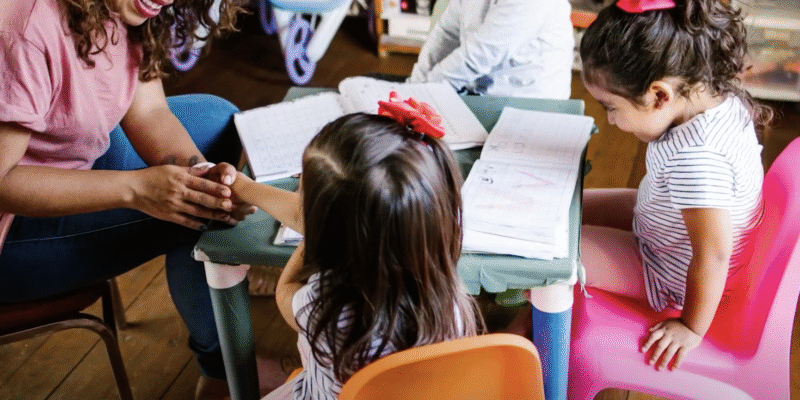

More than 100,000 Arizona children now use state-funded education savings accounts to pay for private or home schooling, and a brewing ballot battle could reshape who gets access to that money.
A new report from the Common Sense Institute (CSI) examines what's at stake as the Protect Education Act heads toward a potential statewide vote.
The initiative, backed by public school advocates and employee unions, would impose income limits, accreditation requirements, and tighter spending rules on Arizona's Empowerment Scholarship Account (ESA) program.
The ESA program has grown significantly since Arizona made it universally available in 2022. Annual awards now total roughly $1.1 billion, serving about 10% of the state's K-12 population.
The expansion came amid a broader shift in how Arizona families choose schools: district enrollment has fallen by roughly 75,000 students since 2019, while charter, private, and home-school options have grown.
Act's Provision
The Protect Education Act's most visible provision would cap universal eligibility at households earning under $150,000 annually. CSI estimates that this would immediately disqualify about 20,300 current ESA families.
Looking further out, the report flags a compounding problem: the income cap would adjust at a maximum of 2% annually, while Arizona incomes have historically grown closer to 4%.
By 2045, the institute projects that more than half of Arizona families with school-aged children could be excluded.
How Expensive is it?
On the fiscal side, CSI argues the program is less expensive than it appears. The report estimates that an average universal ESA award runs about $7,700 per year, compared to nearly $15,000 in total taxpayer spending per public school student.
Additionally, it notes that overall student counts, public and private combined, have tracked close to earlier state projections; the mix has shifted, not the total.
Academic performance data paint a more complex picture: Arizona's district schools recorded proficiency rates of 39% in reading and 32% in math on state assessments.
CSI cites national data suggesting private and homeschool students tend to outperform public school peers on standardized college entrance exams, though direct comparisons are complicated by testing differences.
The debate over oversight is also intensifying. State auditors have flagged gaps in ESA transaction monitoring, and a Democratic state senator has formally requested a full legislative audit of the program.