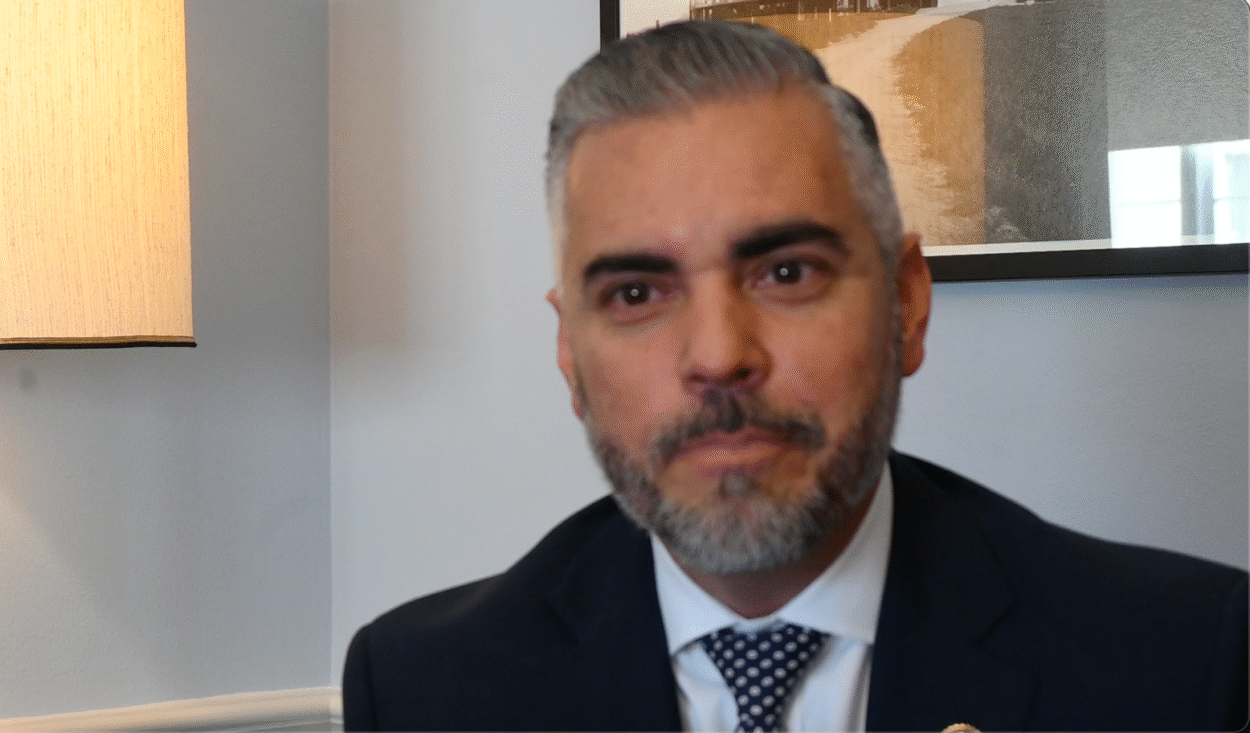


Representative Juan Ciscomani (R-AZ) issued a celebratory statement on the passage of the 2026 Water Resources Development Act (WRDA), which includes provisions he introduced or supported.
The Provisions in Question
Rep. Ciscomani's provisions to the 2026 WRDA include a feasibility study for flood risk management in Dudleyville and establishing the Office of Water Supply, Water Conservation, and Drought Resiliency in the US Army Corps of Engineers' (USACE) Directorate of Civil Works.
Other provisions include developing wildfire contingency strategies for water resources development projects that identify wildfire risk and possible mitigation measures, and researching and developing natural infrastructure in dryland streams technologies in arid, semi-arid, and drought-prone areas.
For Arizona specifically, Rep. Ciscomani secured $23 million each for Western Rural Water and the city of Tucson's water management, and $7 million for Pima County's water conveyance system.
What Ciscomani is Saying
"Southern Arizona leads the way in water conservation, and I'm fighting every day to make sure we stay ahead," the Arizona congressman said in a press release. "This bill is a direct result of listening to our communities, turning Arizona priorities into action, and getting things done. I fought hard to secure crucial provisions that will strengthen the infrastructure families rely on in our district, safeguard Pinal County from devastating floods, invest in Tucson's water future, and deliver resources for rural communities. With the House's passage, it's time for the Senate to step up and deliver for Arizona."
Previous Water Efforts
In December, Ciscomani introduced the bipartisan Large-Scale Water Recycling Reauthorization Act, which would continue a grant program for water recycling projects in the Colorado River Basin and throughout the West for another five years.
More recently, in March, Ciscomani introduced the Cooperative Watershed Management Program Reauthorization Act to extend the Cooperative Watershed Management Program (CWMP), which provides federal funding to local non-regulatory watershed groups in the Western United States as part of the U.S. Bureau of Reclamation's WaterSMART program.