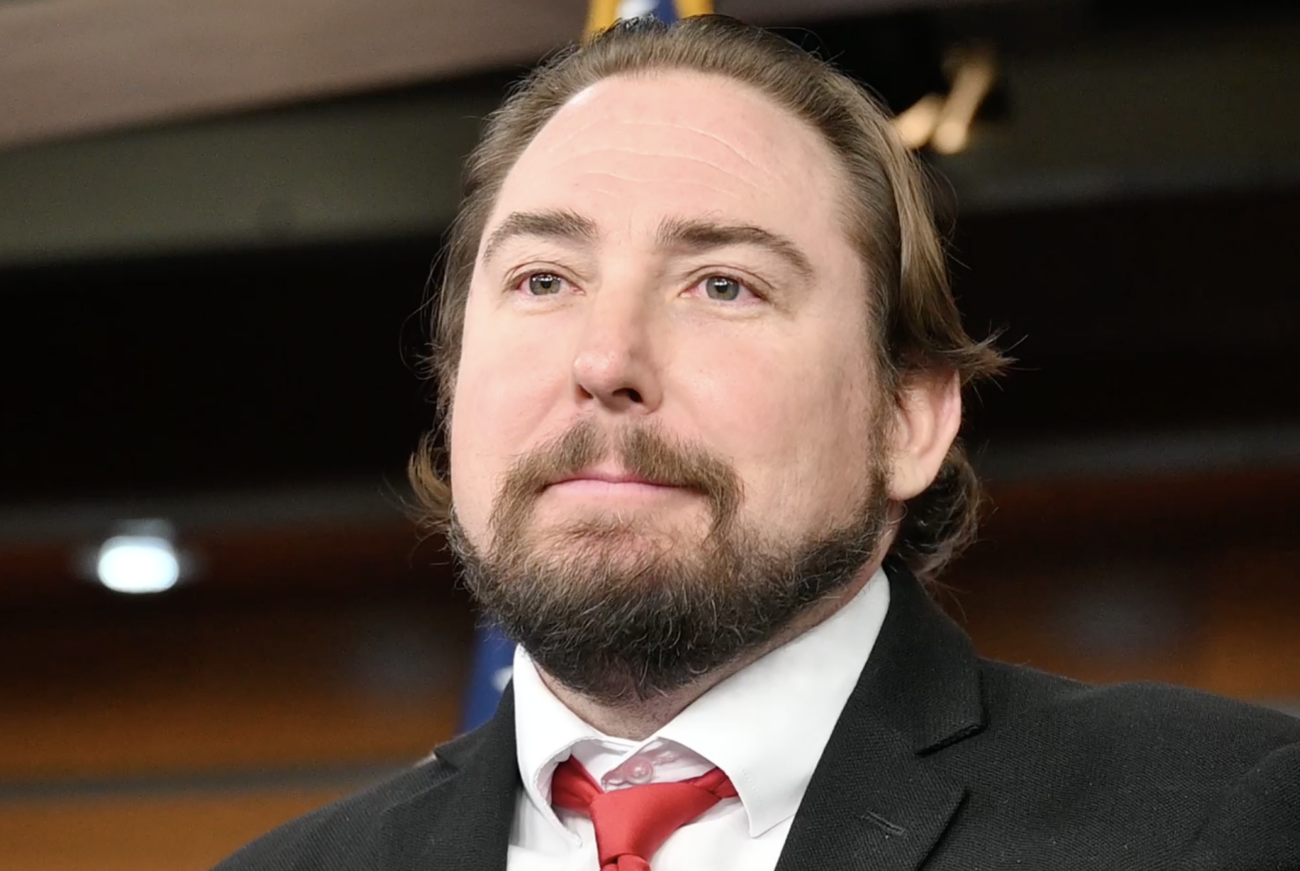

Representative Eli Crane (R-AZ) is letting Arizona business owners who were affected by the recent Pocket Fire know that the Small Business Administration (SBA) is offering low-interest disaster loans.
The Pocket Fire
The Pocket Fire broke out on June 19th, just 7 miles north of Sedona, and grew to nearly 28,000 acres in size by mid-July. While containment is largely complete, the fire has affected tourism and business in the area.
The SBA Loans
Earlier in August, the SBA announced that low-interest loans would be available to businesses in Coconino, Gila, La Paz, Maricopa, Mohave, Navajo, and Yavapai Counties through the Economic Injury Disaster Loan program (EIDL).
The money allows eligible small businesses, small agricultural cooperatives, and private nonprofit organizations to help cover working capital needs and operating expenses, even if the eligible business did not suffer physical damage from the Pocket Fire.
What Crane is Saying
"If your business or nonprofit experienced challenges caused by the Pocket Fire, I encourage you to review this avenue of assistance from the SBA," said Rep. Crane in his announcement. "The EIDL program offers eligible applicants low-interest loans, which can help offset losses from this disaster. I'm grateful to Administrator Loeffler and her team for issuing this declaration, and I hope this announcement helps hardworking Arizonans recover from this destructive wildfire."
Previous Wildfire Relief Efforts
Wildfire relief has been a significant legislative goal for Rep. Crane in recent months, as his North Rim Restoration Act, which gives the National Park Service emergency contracting authority for forest management, maintenance, rebuilding, and infrastructure improvements, thereby bypassing federal red tape and speeding up recovery work in the wake of the Dragon Bravo Fire from last year, passed the House in March.
Then in April, his White Sage Fire recovery bill passed as an amendment to the 2026 Farm Bill, which similarly speeds up recovery efforts from that wildfire by granting the Forest Service emergency contracting authorities to bypass unnecessary red tape and reduce bureaucratic delays.