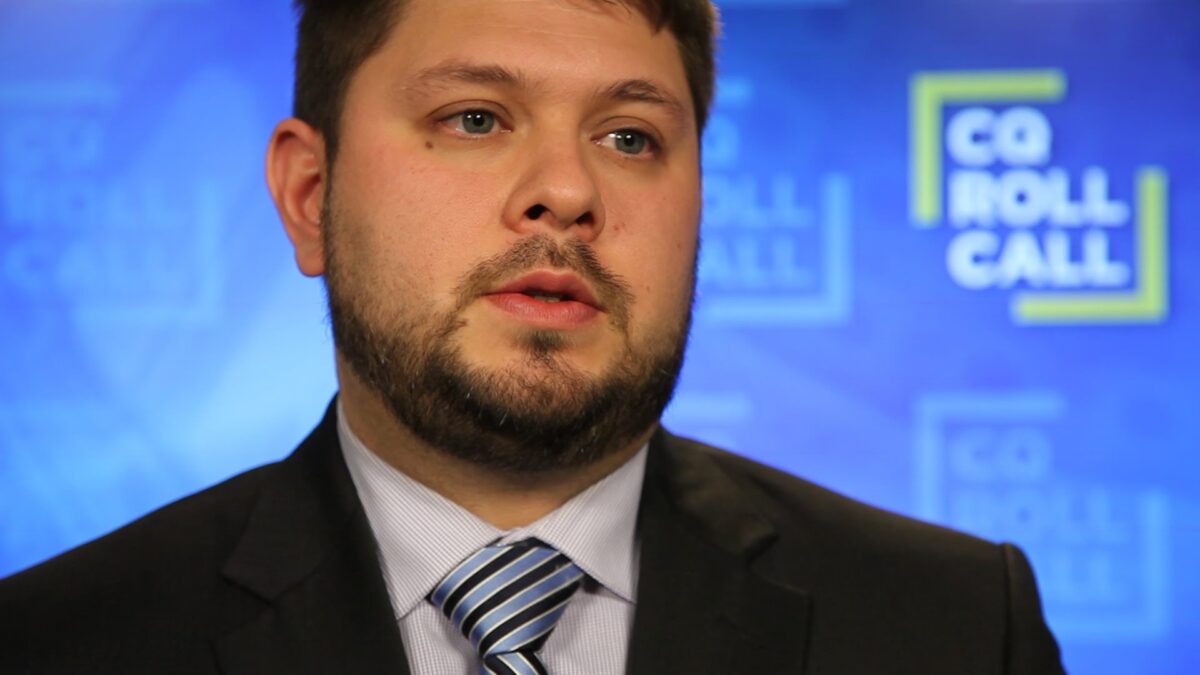


Senator Ruben Gallego (D-AZ) celebrated the unanimous passage of his bipartisan Terrorism Risk Insurance Program Reauthorization Act out of the Senate Banking, Housing, and Urban Affairs Committee.
What the Bill Does
Following the attacks on September 11th, 2001, insurance companies began excluding terrorism risks from policies, leaving numerous businesses and industries vulnerable.
Thus, in 2002, Congress passed the Terrorism Risk Insurance Act to create a federal reinsurance backstop, allowing companies to continue buying terrorism risk coverage.
As a result, Sen. Gallego's Terrorism Risk Insurance Program Reauthorization Act extends the program for another seven years, with an allowance for action taken before December 31st, 2027, to prevent policyholders from facing a coverage gap.
Sen. Gallego's bill was cosponsored by Senators Tina Smith (D-MN), Dave McCormick (R-PA), and Thom Tillis (R-NC).
Gallego's Other Insurance Efforts
The Arizona Senator has sought to protect insurance coverage in different contexts, such as for striking workers.
Last June, Gallego introduced the Striking and Locked Out Workers Healthcare Protection Act, which closes a loophole and leverage tactic by employers threatening strikers with revoking or modifying the company's healthcare benefits, a tactic that circumvents the National Labor Relations Act's (NLRA) ruling that striking is a protected activity.
Specifically, the bill adds the removal of healthcare benefits as a separate category of unfair labor practices and increases civil penalties for employers who engage in such practices.
This May, Gallego declared his opposition to the Trump Administration's testing of the Wasteful and Inappropriate Service Reduction (WISeR) Model, which uses AI and human oversight to reduce waste, fraud, and abuse in the Medicare system.
Gallego said the model is "opaque" and that patients must obtain prior authorization for treatments or procedures, which may be denied for unexplained reasons, slowing the whole process.
On top of that, the WISeR model is mediated through for-profit companies contracted by the Centers for Medicare and Medicaid Services (CMS) that are compensated for averted expenditures, meaning they make money by denying services.