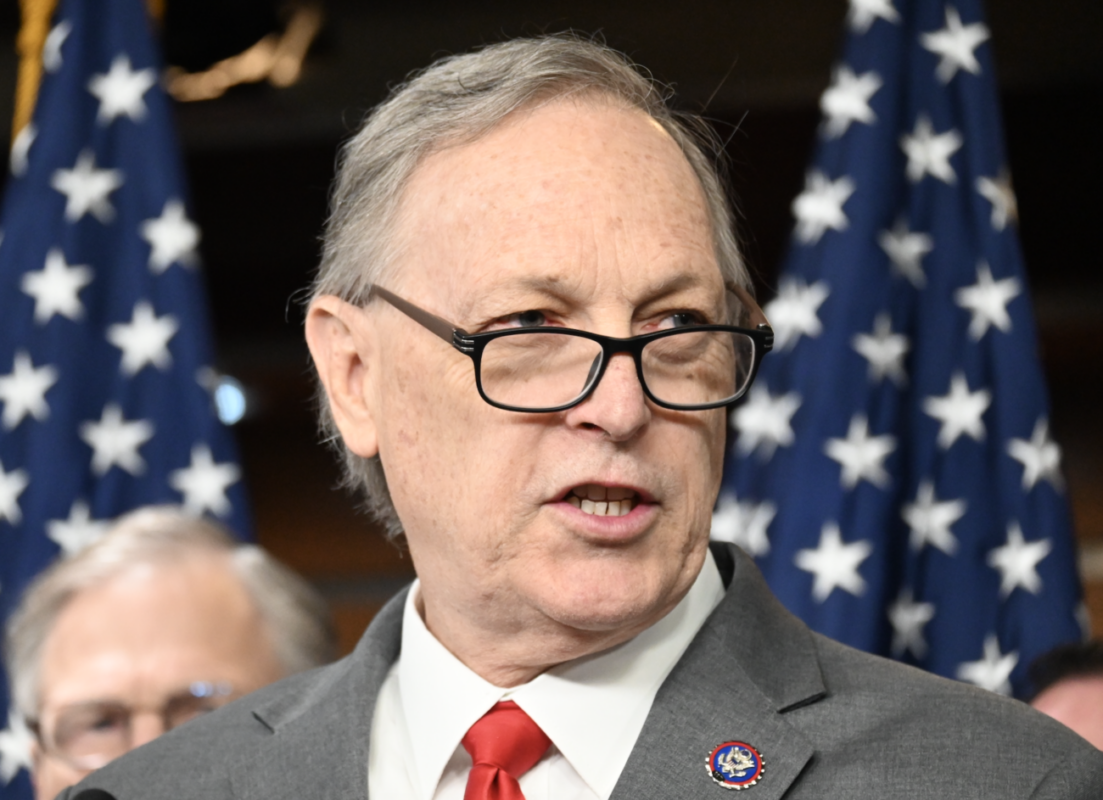


Representative Matt Gress (R-AZ) is celebrating the signing of a new state law aimed at ensuring vulnerable students don't fall through the cracks when they change schools.
HB 2621, which Gress introduced, was recently signed into law after earning bipartisan support in the legislature. The measure targets a persistent problem for students whose lives are marked by frequent moves and unstable living situations: the delays they often face in accessing special education services after enrolling in a new school district.
"When families move, kids shouldn't lose access to the support they need," Gress posted on X following the signing. "This bipartisan measure helps students with special needs—including military-connected children, kids in state care, those living in tribal communities, and other highly mobile students—receive special education services faster when they change schools."
The law addresses several gaps in Arizona's existing special education framework. Under the new provisions, school districts that are contacted by families of students with disabilities are immediately responsible for initiating child find activities and providing a free and appropriate public education.
Districts are required to prepare certificate of educational convenience applications within two business days of receiving an enrollment request, significantly tightening a process that previously left some families waiting with no clear timeline.
Provisions to Current Framework
Additionally, the legislation establishes clearer pathways for students living in unorganized territories, geographic areas outside the boundaries of any school district.
Specifically for those students approaching their third birthday, the law requires early intervention programs to begin the transition process from early childhood services to school-based special education services, with county school superintendents responsible for assigning a district to conduct evaluations before the child turns three.
Further provisions establish a formal dispute-resolution process between county school superintendents and school districts. This will require districts to include certificate of educational convenience forms in their standard enrollment materials, and guarantee enrollment for any student issued such a certificate regardless of a school's programmatic capacity.
For Gress, the signing represents a straightforward promise kept: that where a child lives or how often they move should never determine whether they get the support they are entitled to.