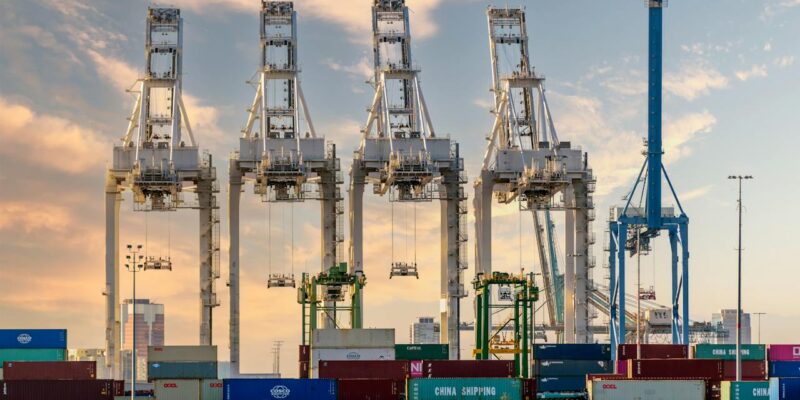

In late April and early May, port shutdowns and increased inspections have frustrated many industries, delayed shipments, and raised concerns across the economy. But there is another side to this issue that many Americans believe deserves attention: national security and the growing flood of illicit products entering the United States from China.
For years, American businesses have struggled to compete against a wave of cheaply manufactured and often unregulated imports. From counterfeit goods to unauthorized vape products, illegal pharmaceuticals, and products that fail to meet U.S. safety standards, many of these shipments arrive through major ports with little accountability. The result has been devastating for legitimate American companies that follow the rules, pay taxes, employ U.S. workers, and comply with strict regulations.
Temporary slowdowns, extended shutdowns, or enhanced inspections at ports may be inconvenient, but they also send a strong message: the United States is finally taking supply chain security seriously. Americans have watched as foreign manufacturers, particularly those tied to China’s massive export network, gained enormous influence over critical sectors of the U.S. economy. Many believe it is time to regain control.
This is not about hostility toward Chinese people. Rather, it is about protecting American markets, American consumers, and American jobs from unfair trade practices and dangerous illicit goods. When ports tighten inspections and enforcement increases, it becomes harder for unauthorized products to flood local stores and online marketplaces unchecked.
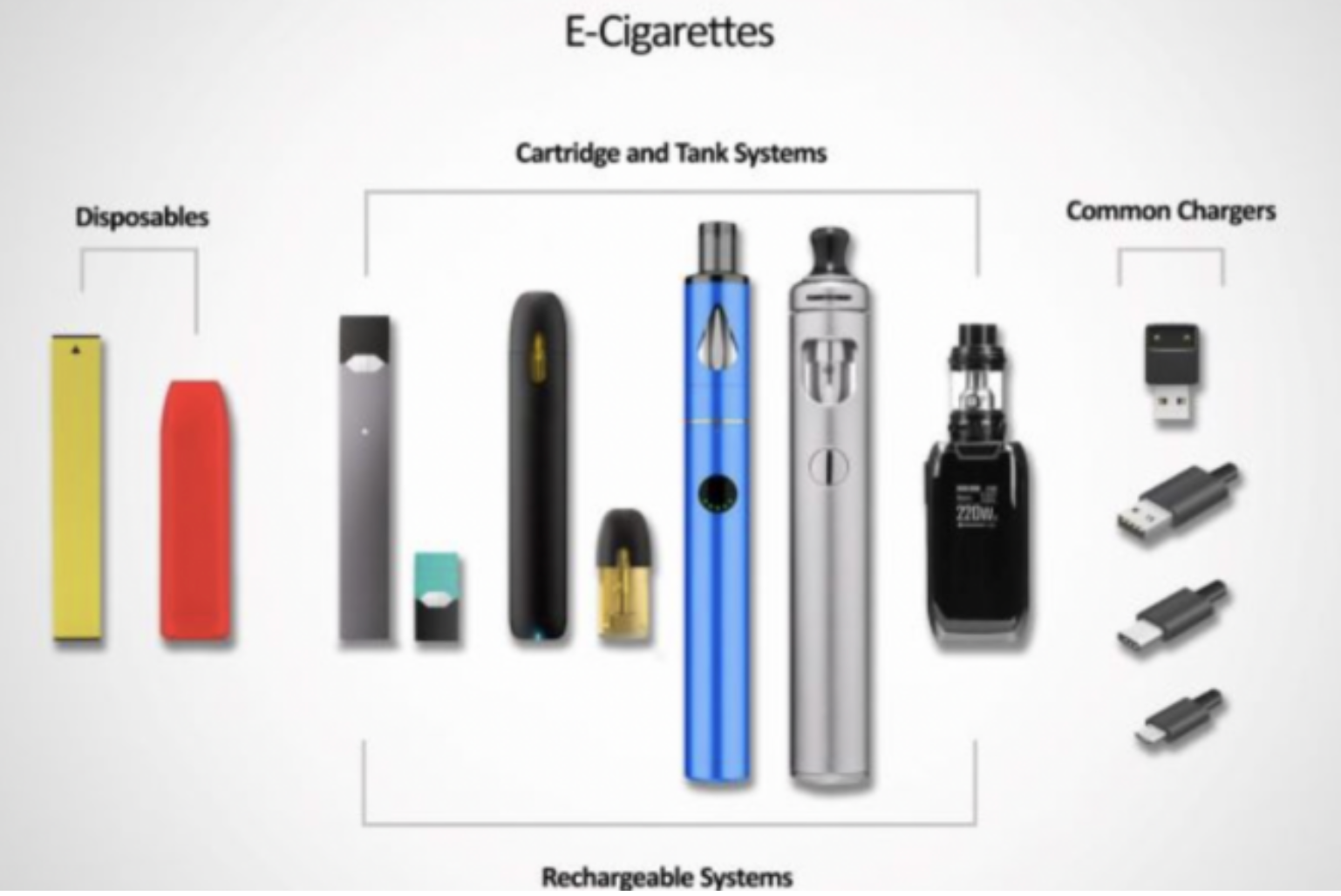
The vaping industry is just one example. Thousands of illicit disposable vape products manufactured overseas continue entering the country despite FDA regulations. These products often bypass legal review entirely while undercutting responsible American businesses trying to operate within the law. Enhanced port enforcement helps close those gaps.
Recent polling on these topics demonstrates that Americans are increasingly demanding stronger oversight of imports, stricter customs enforcement, and greater accountability for foreign manufacturers that exploit loopholes in U.S. trade systems.
While port disruptions can create short-term pain, supporters argue the long-term benefit is restoring integrity to American commerce and reducing dependence on foreign-controlled supply chains.
Securing America’s ports is about more than cargo. It is about economic sovereignty, consumer safety, and ensuring the United States controls what enters our markets and doesn’t cede that power to foreign manufacturers any longer.