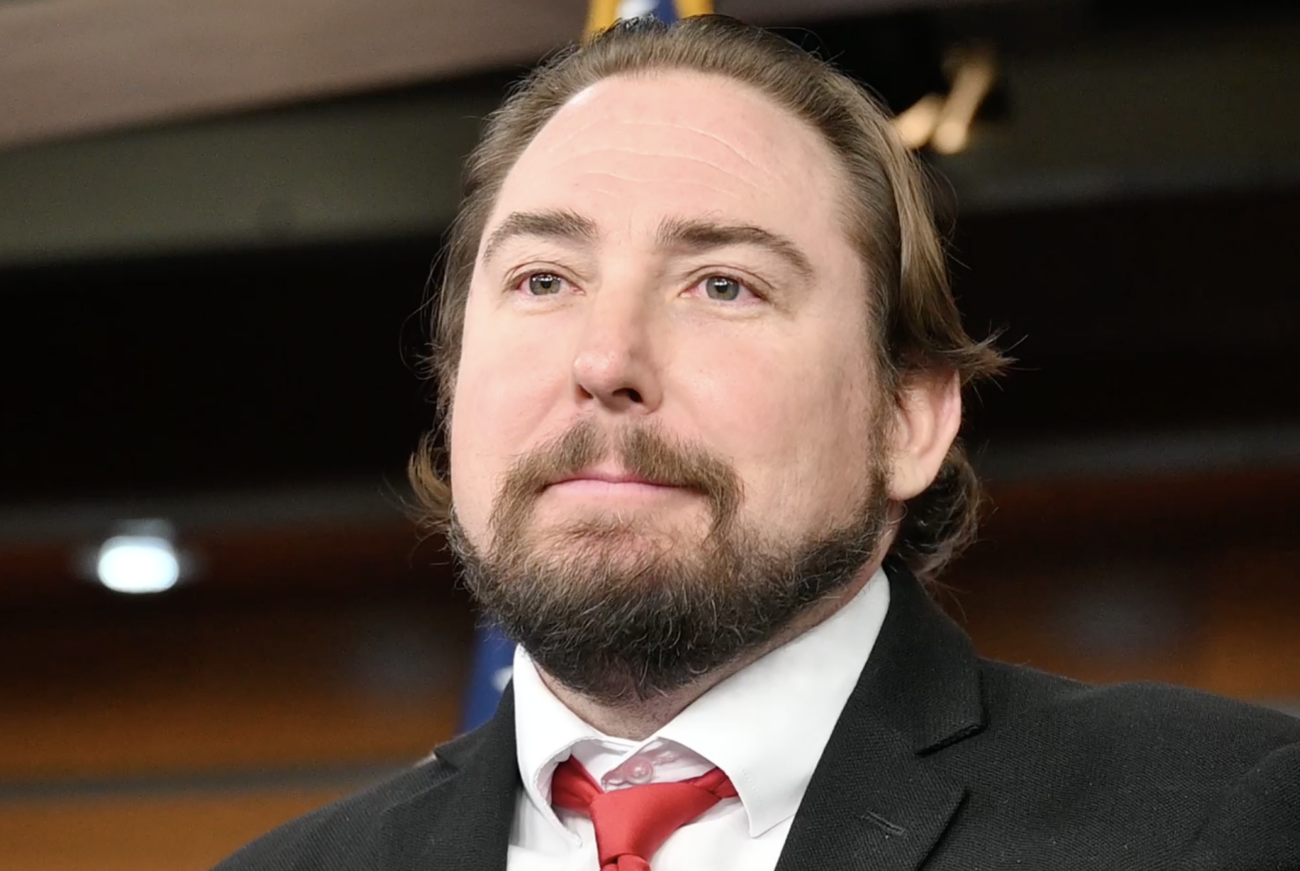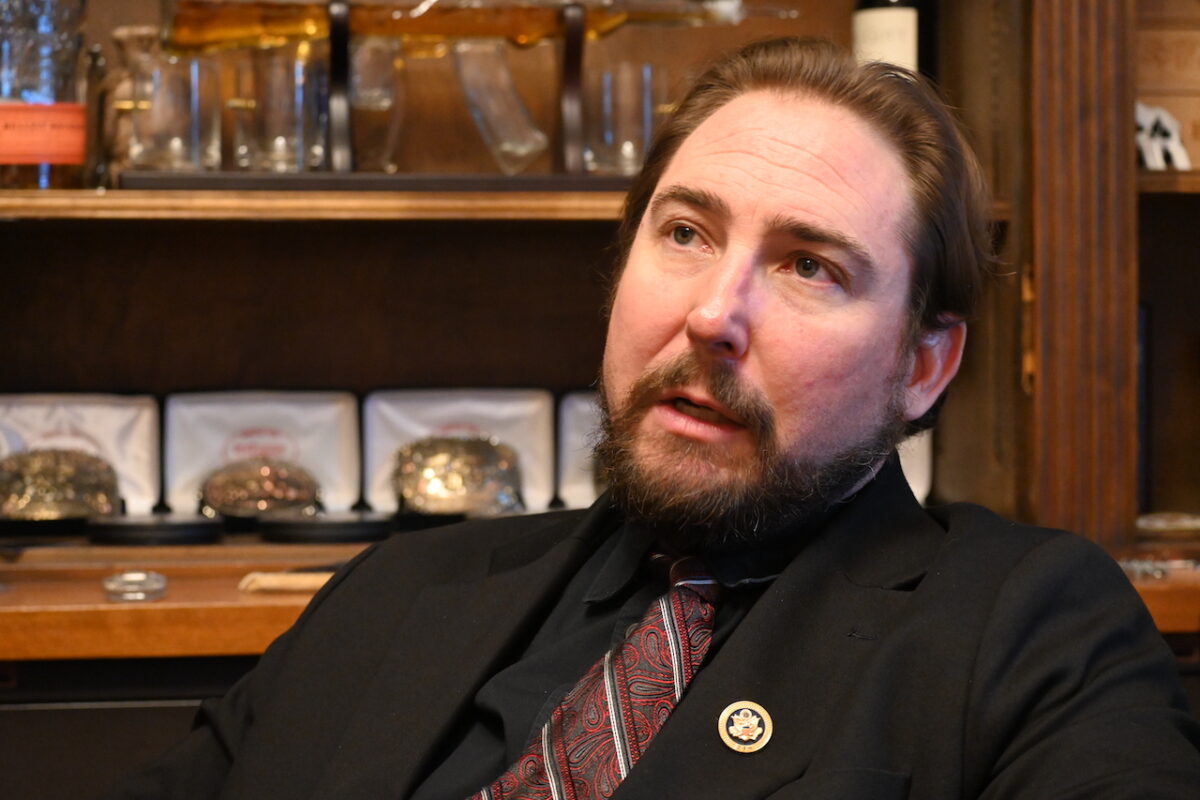
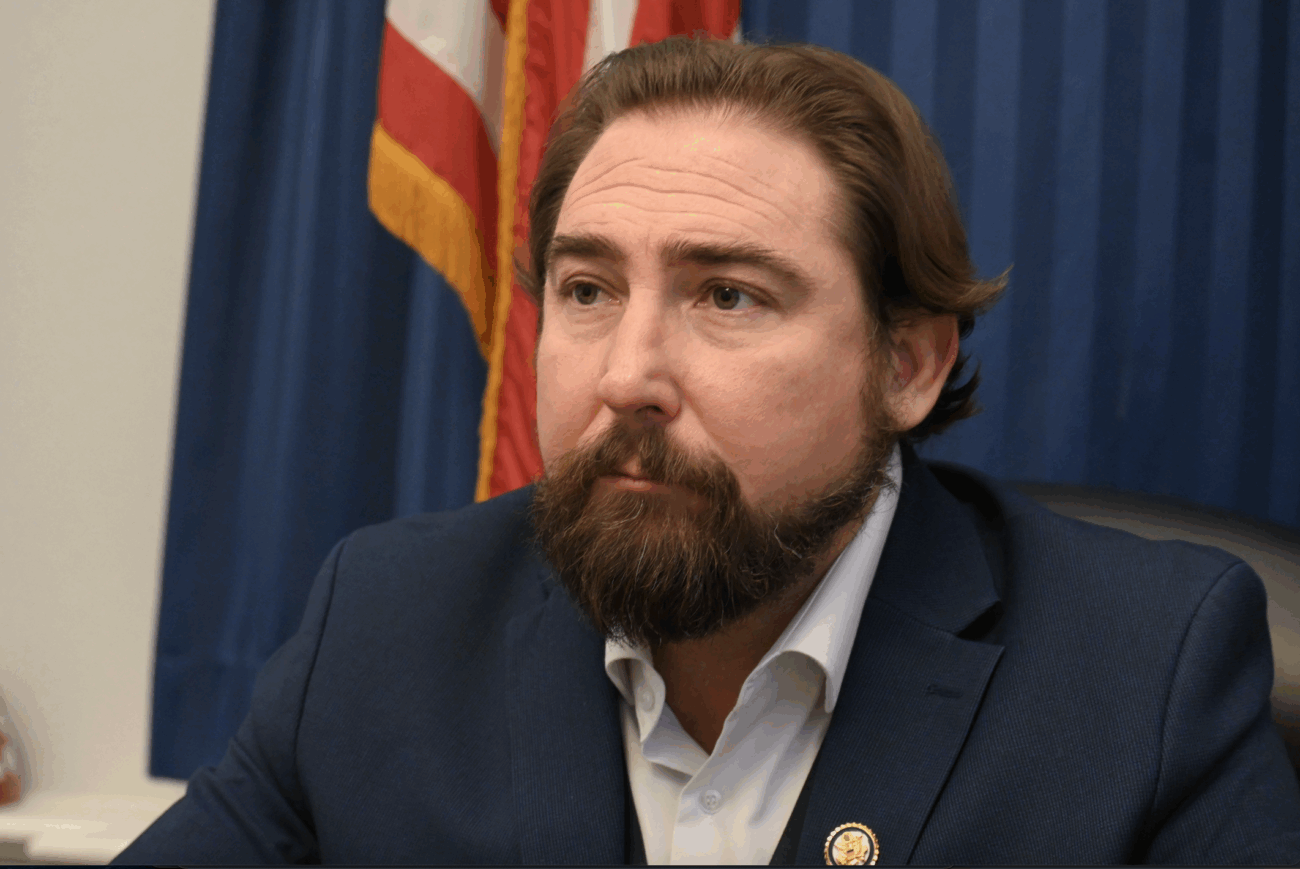

Representative Eli Crane (R-AZ) is stirring up debate in Washington with a new bill that would temporarily shut down one of the most widely used work visa programs in the country.
Rep. Crane introduced the End H-1B Visa Abuse Act of 2026 on Tuesday, proposing a three-year freeze on the H-1B visa program and a major overhaul once it resumes.
The H-1B visa lets American companies bring in foreign workers for specialized roles, most commonly in tech, engineering, and finance. Those who oppose the program argue that corporations have used it to replace American employees with cheaper overseas talent.
Now, those who support it say it exists for good reason, to fill positions when domestic workers simply aren't available.
To add, Crane has made his position clear. "The federal government should work for hardworking citizens, not the profit margins of massive corporations," he explained.
What Would Change?
The freeze is just the beginning. If passed, the legislation would bring some significant structural shifts to the program:
- Annual visa numbers would drop sharply, from 65,000 to 25,000
- A wage-based selection process would replace the existing lottery.
- Employers would need to demonstrate they were unable to find a qualified American worker before hiring abroad.
- A minimum annual salary of $200,000 would be required for H-1B positions.
- Visa holders would no longer be permitted to bring dependents into the country.
- The current route from H-1B status to permanent residency would be closed off.
Seven fellow House Republicans joined Crane as co-sponsors. Among them, Rep. Paul Gosar (R-AZ) argued the program had been turned into a tool for replacing domestic workers, while Rep. Andy Ogles (R-TN) echoed similar frustrations about American workers being pushed out.
Furthermore, Immigration Accountability Project co-founder Rosemary Jenks praised the effort, describing it as the most aggressive H-1B reform proposal Congress has ever seen.
The bill now moves to committee, where its future remains unclear, caught between business interests that rely on foreign talent and a growing political push to put American workers first.
"We owe it to the American people to prevent the broken H-1B system from boxing them out of jobs they are qualified to perform," Crane concluded.