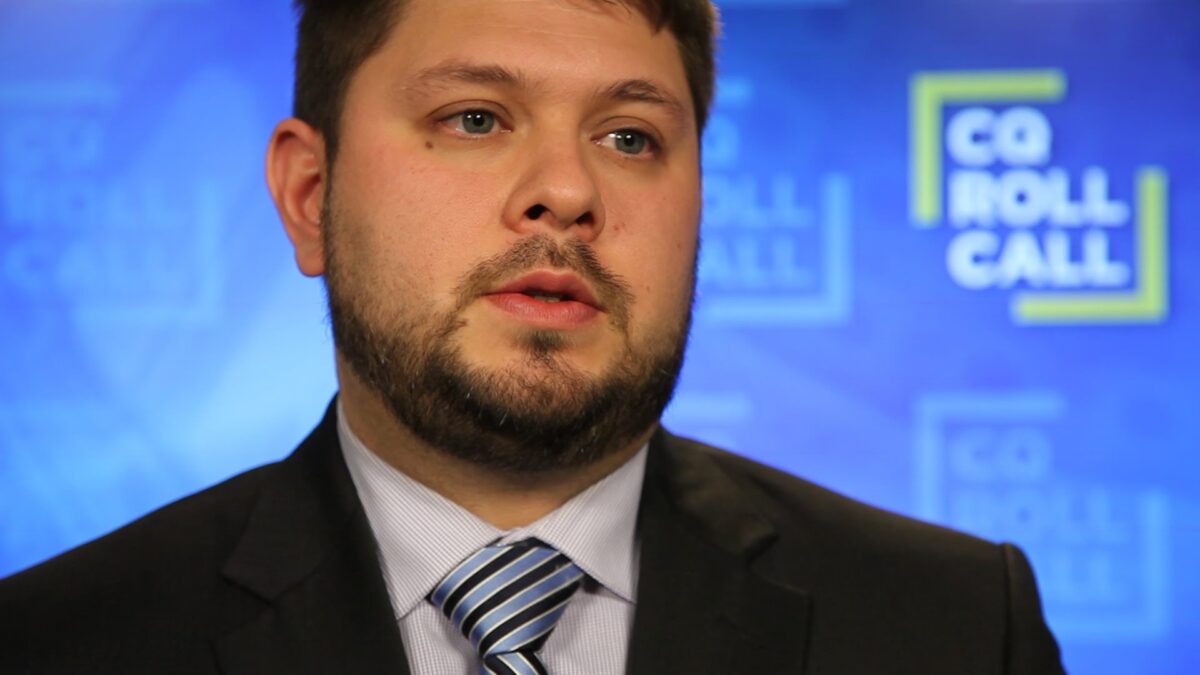
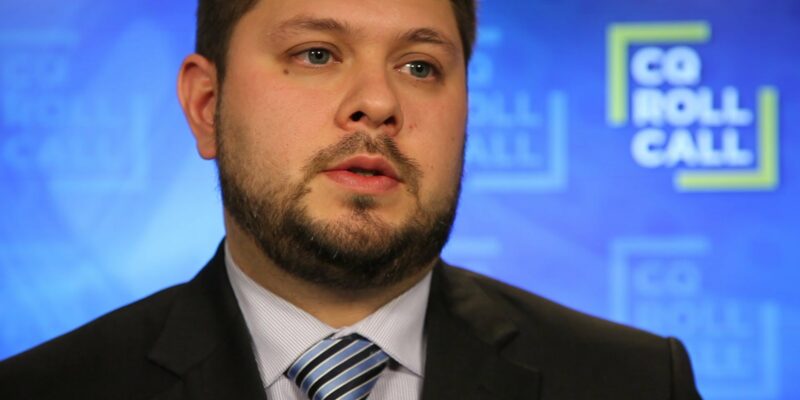

Senator Ruben Gallego (D-AZ) is demanding answers on why the Trump Administration has announced sanctions relief for Russia despite it being an active adversary supplying intelligence to Iran amid the ongoing conflict.
In a letter addressed to Treasury Secretary Scott Bessent, Sen. Gallego and Representative Sam Liccardo (D-CA) called the decision "dangerous, self-defeating, and indefensible."
Russia is allegedly supplying intelligence to Iran on American ship and plane movements, which only exacerbates what the lawmakers call "an inexplicable act of material benefit to the enemy."
Because of this, they are demanding that Bessent answer several questions by Friday, including whether the 30-day waiver will be renewed, whether there was awareness of Russian intelligence assisting the Iranians ahead of the sanctions relief decision, and how the waiver will be revoked.
"Trump just green-lit a waiver so India can keep buying Russian oil, going soft on Putin at a time when Russia is feeding Iran intelligence to target American troops," said Sen. Gallego in a press release. "This is the result of a President who recklessly dragged our country into a war with Iran without a strategy, an endgame, or any clear understanding of the consequences."
Rep. Liccardo declared that "the American people deserve answers on why our warfighting women and men should perish while Russia profits." "This sanctions relief, framed as an effort to calm global energy markets, exposes this Administration's lack of planning for its Middle East adventurism," he added.
"Regardless of intent—whether knowingly supporting a country aiding and abetting Iran or merely shooting from the hip to appease the markets—this decision imperils American soldiers. Secretary Bessent must explain this decision and clarify whether this administration puts America—or Russia—first."
Meanwhile, Senator Mark Kelly (D-AZ), who has also been critical of the Trump administration, has introduced legislation to suspend the federal gas tax through October to stabilize gas prices as a result of the conflict.