

Representative Byron Donalds (R-FL) has teamed up with Senators Mark Kelly (D-AZ) and Cynthia Lummis (R-WY) to introduce a bipartisan bill to cut costs for nuclear power plant construction.
Specifically, the Build Nuclear with Local Materials Act requires the Nuclear Regulatory Commission (NRC) to issue a rule allowing the use of commercial-grade concrete and steel for the construction of non-safety-related structures at nuclear power plants.
This is because new reactors are currently required to use nuclear-grade concrete and steel in all structures, even when not safety-related, which drives up construction costs and slows development, even though nuclear-grade materials are still required for safety-related structures.
The bill builds upon a precedent established by the NRC, which allowed the TerraPower Natrium reactor in Kemmerer, Wyoming, to use commercial-grade materials in non-safety-related structures.
"Energy security is national and economic security for the United States," said Rep. Donalds in a press release. "As our energy demands continue to grow, it is essential that nuclear energy is a viable source of base load power. We must take a hard look at outdated and burdensome regulations and make practical, common-sense reforms. I am proud to work alongside Senator Lummis to introduce the Build Nuclear with Local Labor Act to reduce construction and compliance costs for nuclear reactors, without sacrificing safety."
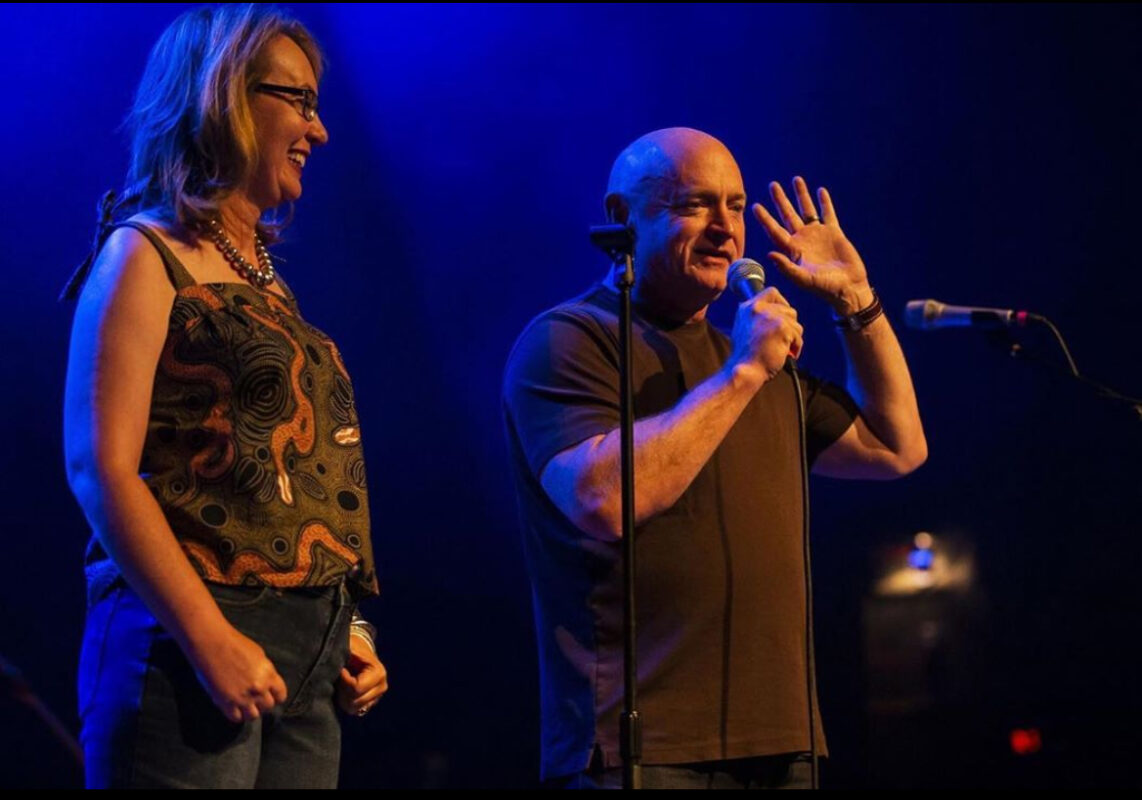
"We need more reliable, affordable power to keep up with growing demand in Arizona and across the country, but outdated rules about building materials drive up costs and slow down construction for nuclear plants," Sen. Kelly said. "With this commonsense solution, we can build clean nuclear power plants faster and cheaper while keeping the same strong safety standards that protect Arizona families."
Rep. Donalds has been a strong advocate for nuclear energy, recently vowing to expand the industry in Florida if elected Governor in the upcoming gubernatorial election.
"To be clear, nuclear is the cleanest, 'greenest,' and most reliable source of energy—regardless of its historical unsubstantiated negative connotation," the Florida congressman wrote in an op-ed for The Floridian. "But there is one unintentional outcome to the artificial ESG push: momentum is growing for advanced nuclear technology as we prepare for the next Nuclear Renaissance."