
The Supreme Court handed down a major Second Amendment ruling Thursday, one that asked whether a state could effectively make it nearly impossible to carry a legally permitted firearm in everyday public life. The answer, in a 6-3 decision, was no. The case began with a Hawaii law requiring concealed carry permit holders to get explicit permission from property owners before bringing a firearm onto private property open to the public, such as restaurants, gas stations, shopping malls, and banks.
Supporters argued it gave property owners a meaningful say, while critics said it made legal carry virtually unworkable in daily life.
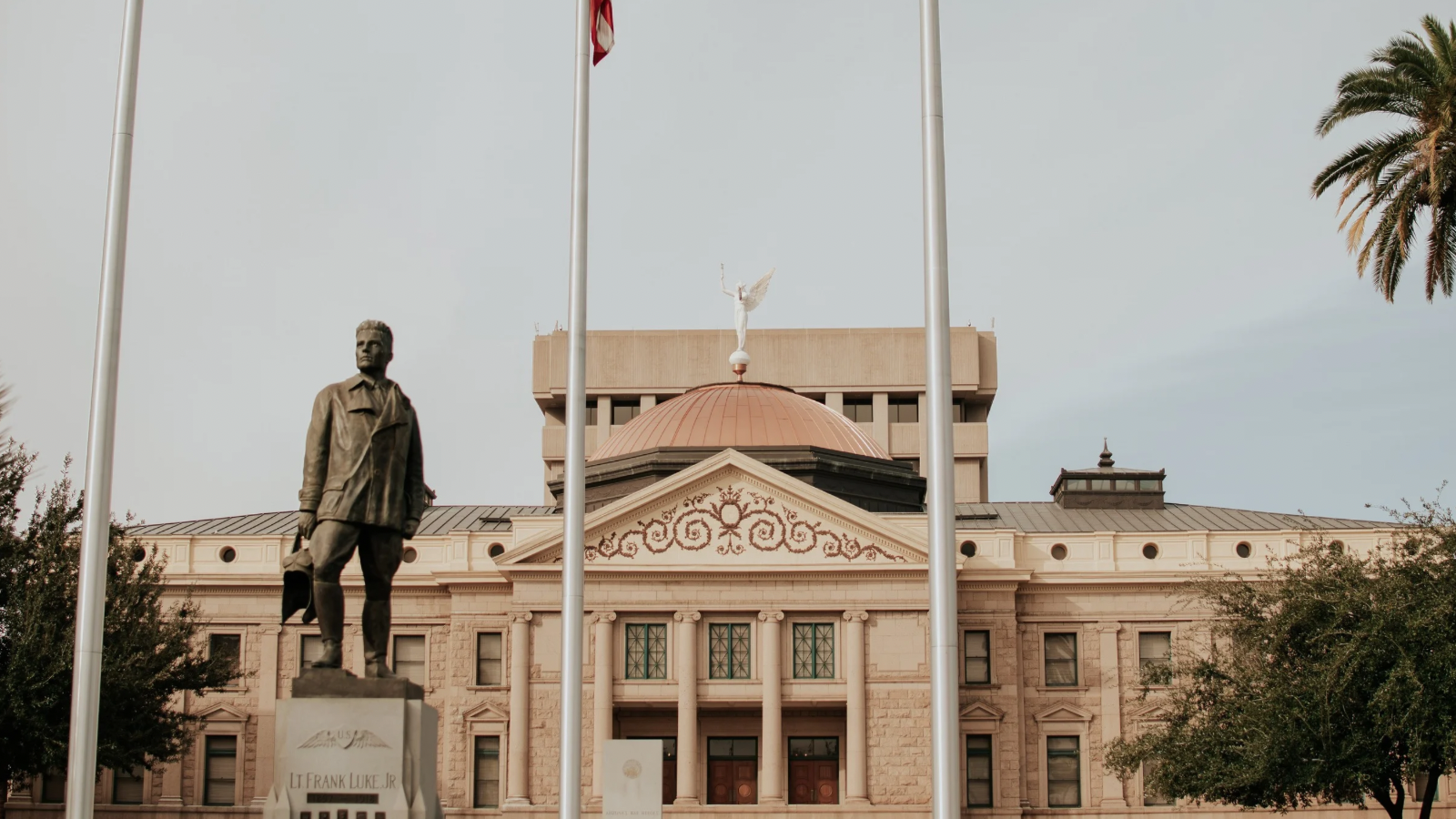
However, the Supreme Court sided with the critics, and Arizona Senate President Warren Petersen (R-AZ), who joined a 25-state legal brief opposing the law, was quick to celebrate.
"Big win today for the Second Amendment!" he wrote on X. "I proudly joined a 25 state legal brief opposing Hawaii's unconstitutional law and thank the Supreme Court for striking down that law."
What This Means For Hawaii
The Hawaii law, known as Act 52, had been enacted specifically in response to a 2022 Supreme Court ruling that expanded Second Amendment protections.
Rather than loosen its restrictions, Hawaii essentially rebuilt them in a different form, requiring permit holders to navigate a patchwork of permissions every time they left home.
The majority found that the approach went too far. The Court pointed to a longstanding common law principle that people have an implied right to enter property open to the public unless specifically told otherwise, and ruled that Hawaii had improperly flipped that default.
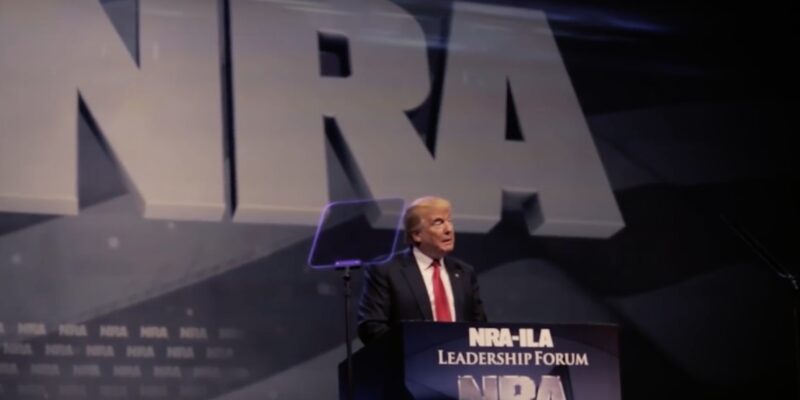
The Hill reported that the case was originally brought by three Hawaii residents and the Hawaii Firearms Coalition, drawing support from gun rights organizations including the NRA and Gun Owners of America, the Trump administration, and roughly 25 Republican-led states.
More than 15 Democratic-led states and several cities backed Hawaii's position.
It marks the second time this term the Court has ruled in favor of gun rights advocates, following a separate decision earlier this month limiting certain firearm possession prosecutions.