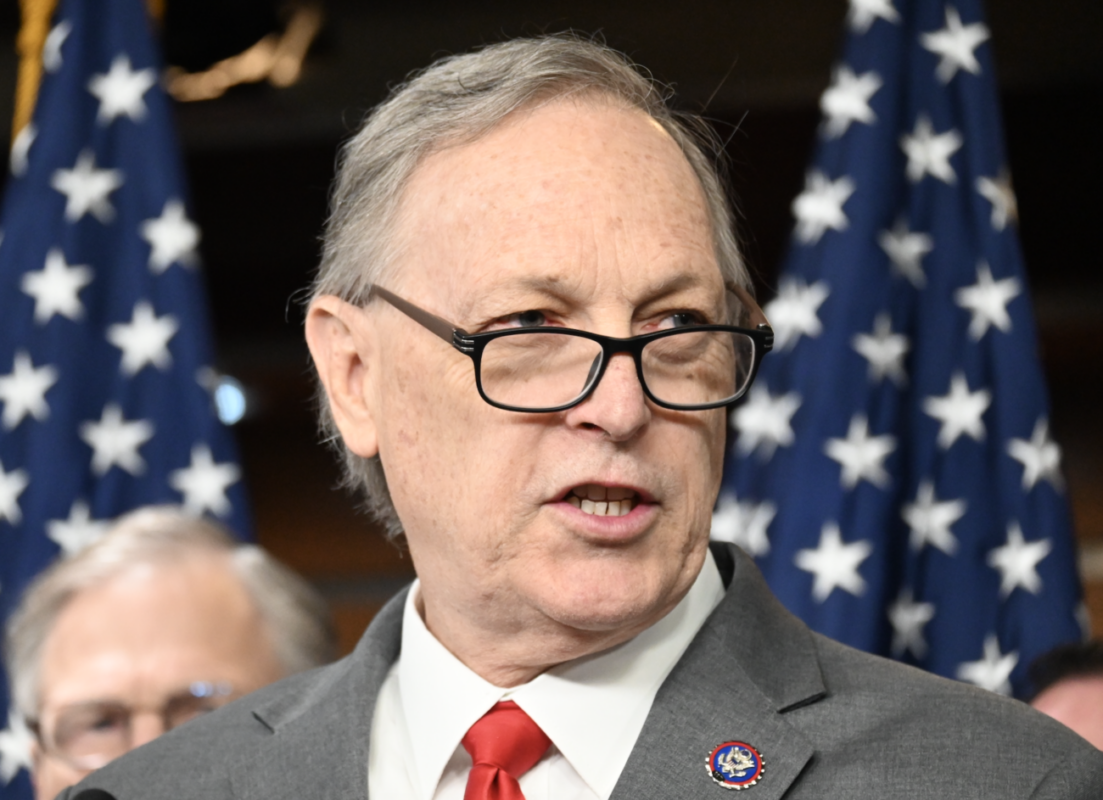
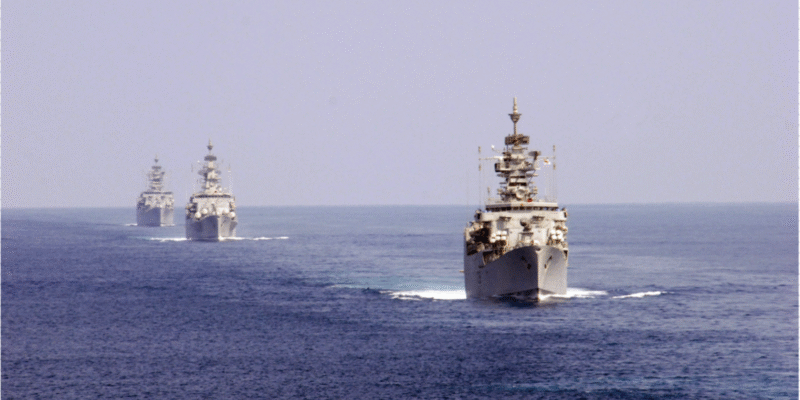

Senator Mark Kelly (D-AZ) is pushing the SHIPS for America Act to close a massive maritime gap with China; the U.S. has 80 internationally flagged vessels, while China has 5,500.
Sen. Kelly, a Navy veteran and the first U.S. Merchant Marine Academy graduate to serve in Congress, joined Senator Todd Young (R-IN) and House members John Garamendi (D-CA) and Trent Kelly (R-MS) to reintroduce the Shipbuilding and Harbor Infrastructure for Prosperity and Security (SHIPS) for America Act.
The bill was first introduced in December 2024 and has since gained additional cosponsors, including Senators Lisa Murkowski (R-AK) and John Fetterman (D-PA).
"After decades of dangerously neglecting our shipbuilding industry, we're finally doing something about it," Kelly said. "Building and staffing more U.S.-flagged ships will create good-paying American jobs, make our supply chains more resilient, lower costs, and strengthen our ability to resupply our military at times of war."
The Legislation's Target
The legislation sets a national goal of adding 250 U.S.-flagged ships to international commerce over the next decade.
To get there, it proposes a sweeping set of incentives and structural reforms, including a 25 percent investment tax credit for shipyard upgrades, a new Maritime Security Trust Fund, and requirements that a portion of goods imported from China be carried on American-flagged vessels starting in 2030.
The bill also takes aim at workforce shortages, proposing recruitment campaigns, credential reform, and long-overdue infrastructure investment at the U.S. Merchant Marine Academy, Kelly's own alma mater.
The legislation has drawn endorsements from across the maritime and defense industries, labor unions including the AFL-CIO and United Steelworkers, and veterans organizations such as the American Legion.
Kelly and his colleagues say the urgency has only grown since the bill's initial introduction, pointing to a recent executive order signed by President Donald Trump and a federal trade report highlighting China's dominance in global shipbuilding.