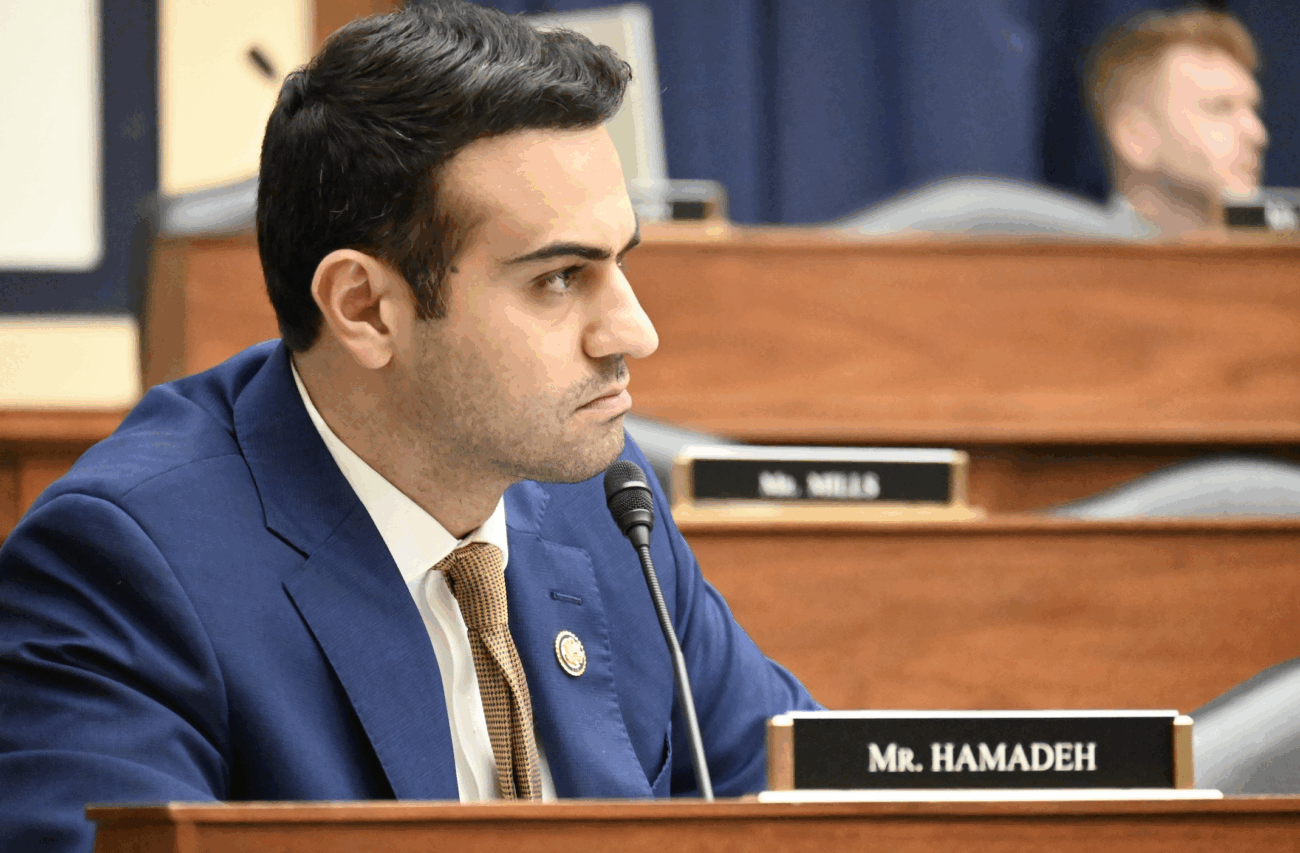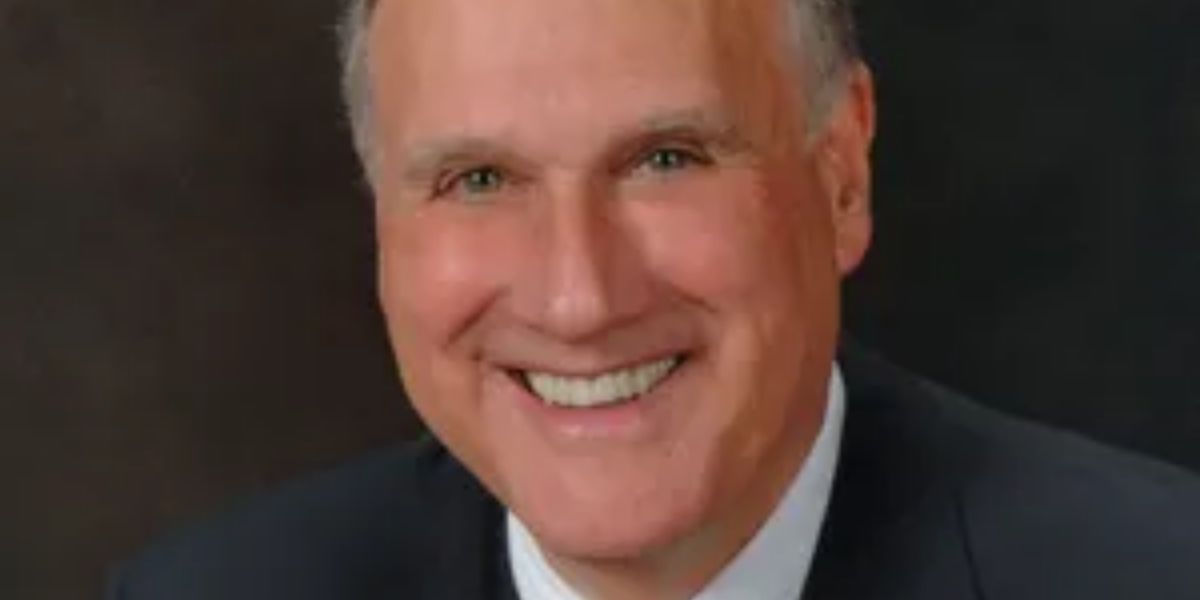


Representative David Schweikert (R-AZ) is chairing the bicameral Joint Economic Committee hearing on combating scams, focusing on how technology can be employed to prevent money from ever being sent to scammers.
Rep. Schweikert begins by asking Scam Center Strike Force Director Karen Seifert, "How do we build a model, a technology, a policy, so the money never leaves the individual's account?" noting that despite representing a well-educated and wealthy part of Arizona, many residents are still scammed regularly.
Seifert suggested that education is a major component, only for Rep. Schweikert to reply that he has "grown very skeptical on the effectiveness of education, considering how manipulative, almost evil, the use of some of the new technology has become."
The Arizona congressman later asked how those "scam likely" calls that smartphones are capable of warning users about can be prevented from ever reaching a user's phone, which Lois Greisman, Assistant Director of the Federal Trade Commission's (FTC) Division of Marketing Practices, said is being worked on.
Additionally, U.S. – China Economic and Security Review Commission Commissioner Reva Price noted that one possibility is requiring telecommunication carriers and social media platforms to implement stronger verification and detection measures, although the effectiveness in preventing foreign phone calls and other communications is not yet known.
"Look, this is a plague on our society," Schweikert said bluntly, "You guys are doing amazing work, and we need to get this down to zero."
In August, Schweikert brought forth an interesting policy proposal: reviving the use of letters of marque and reprisal to allow the executive branch to deputize licensed cyber operators to pursue foreign cybercriminal enterprises targeting American citizens and infrastructure.
Additionally, these cyber-privateers would be authorized to recover stolen assets, prevent future attacks, and defend critical infrastructure, all while operating under federal oversight.
Such a bill, he promises, "harnesses innovation and constitutional authority to respond to the modern crisis of cybercrime."