
Dolores Huerta, the 95-year-old civil rights icon and co-founder of the United Farm Workers, publicly accused the late César Chávez of sexual abuse on Wednesday, shattering a silence she had maintained for over six decades out of fear it would undermine the farmworker movement she devoted her life to building.
Her statement followed a New York Times investigation into sexual misconduct allegations against Chávez, who died in 1993.
Huerta described two separate encounters in the 1960s, the first involving manipulation and pressure, the second she described as forced. Both resulted in pregnancies.
She arranged for the children to be raised by other families, keeping the truth hidden until just weeks ago.
"I have never identified myself as a victim, but I now understand that I am a survivor," Huerta wrote, adding that learning that other women, including teenage girls, had also been harmed by Chávez compelled her to finally speak.
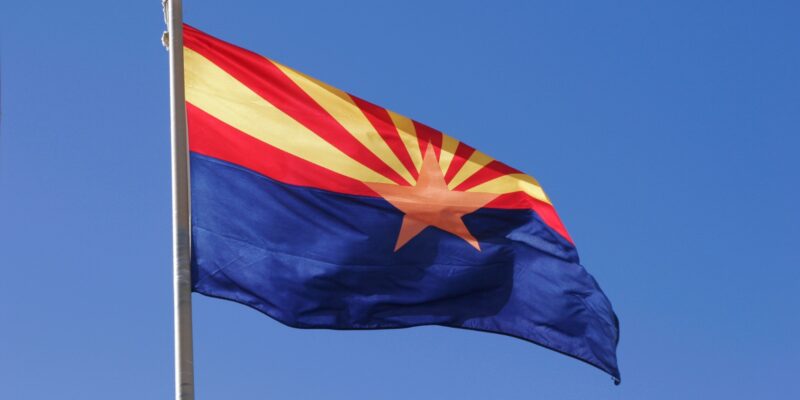
The fallout in Arizona was swift and bipartisan.
Arizona's Condemnation
Phoenix Mayor Kate Gallego (D-AZ) announced that the City Council will vote on March 25 to rename the municipal holiday honoring Chávez as Farmworkers Day and begin removing his name from city buildings and street signs.
"What we've learned about Chavez's behavior is shocking and appalling, and he does not embody the values of our city," Mayor Gallego said.
Senate President Warren Petersen (R-AZ) called the allegations "predatory" and "evil," stating that Arizona would not formally recognize César Chávez Day this year.
He also suggested the state should permanently discontinue the holiday if the allegations prove true.
Legislative Democrats echoed those sentiments. Senate and House Democratic leaders said the allegations were "painful and difficult," while affirming that no leader, regardless of their legacy, stands above accountability.
Additionally, the Arizona Latino Legislative Caucus condemned the reported behavior as "reprehensible," while also emphasizing that the broader farmworker movement was built by thousands of people and remains larger than any single individual.
Dolores Huerta's Voice
Huerta herself closed her statement on a similar note, separating Chávez's actions from the movement's lasting achievements, and reaffirming her commitment to workers and women's rights.
Her heart, she wrote, aches for everyone who suffered alone and in silence, expressing that "there are no words strong enough to condemn those deplorable actions that he did."
"My silence ends here."