

The Arizona House passed a bill this week aimed at narrowing the circumstances under which repeat juvenile offenders can be charged as adults, sending HB 2671 to the Senate after a 51-0 vote.
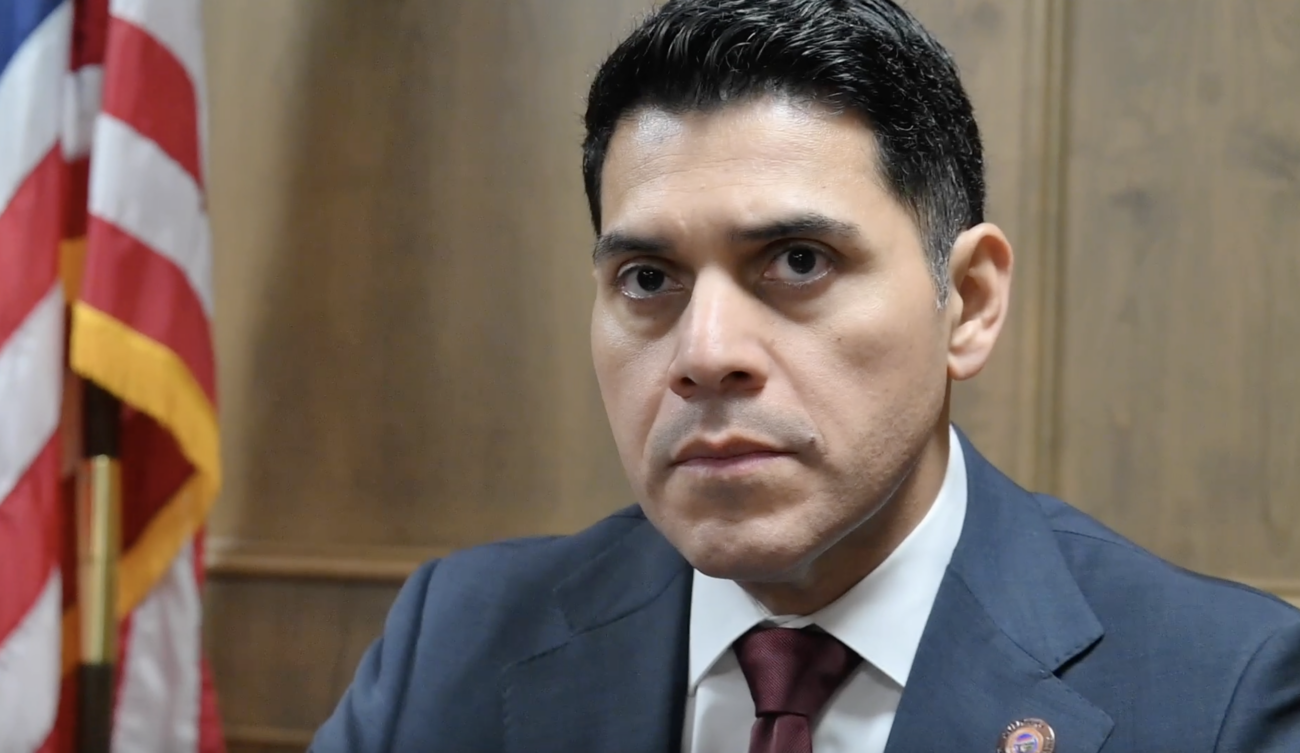
The bill, sponsored by Representative Consuelo Hernandez (D-AZ), targets the state's "chronic felony offender" designation, a label that can fast-track juvenile cases into adult court.
Under current law, a youth with two prior felony convictions, regardless of severity, can receive that designation. HB 2671 would limit it to cases where those prior offenses were serious class 1, 2, or 3 felonies.
Rep. Hernandez framed the legislation as an early intervention measure, expressing concern about the long-term consequences of funneling lower-level repeat offenders into the adult system too quickly.
"I just want to make sure that kids who have stolen twice don't become lifelong criminals," Hernandez said. "If we don't get them help now and they don't have anyone at home, they'll just end up with the system, and they end up costing our system a lot more money. They'll end up on the streets and it's just a whole snowball effect."
Supporters of the bill point to research from federal justice agencies suggesting that processing most young people through adult courts does not reduce crime and is often associated with higher rates of reoffending.
Studies have also raised concerns about the disproportionate impact such transfers have on youth of color.
The bill does not eliminate the ability to try juveniles as adults; it simply raises the bar for which prior offenses count toward the chronic offender designation. All other existing rules governing when teenagers can be charged as adults remain unchanged.
Hernandez described the bill as an effort to redirect at-risk youth before the justice system becomes their primary path forward, arguing that intervention now is far less costly than the alternative down the road.
The measure now faces a Senate review before it can become law.