
Senator Mike Lee (R-UT) has introduced new federal voting legislation alongside recently released data from his state showing the results of a comprehensive voter citizenship review.
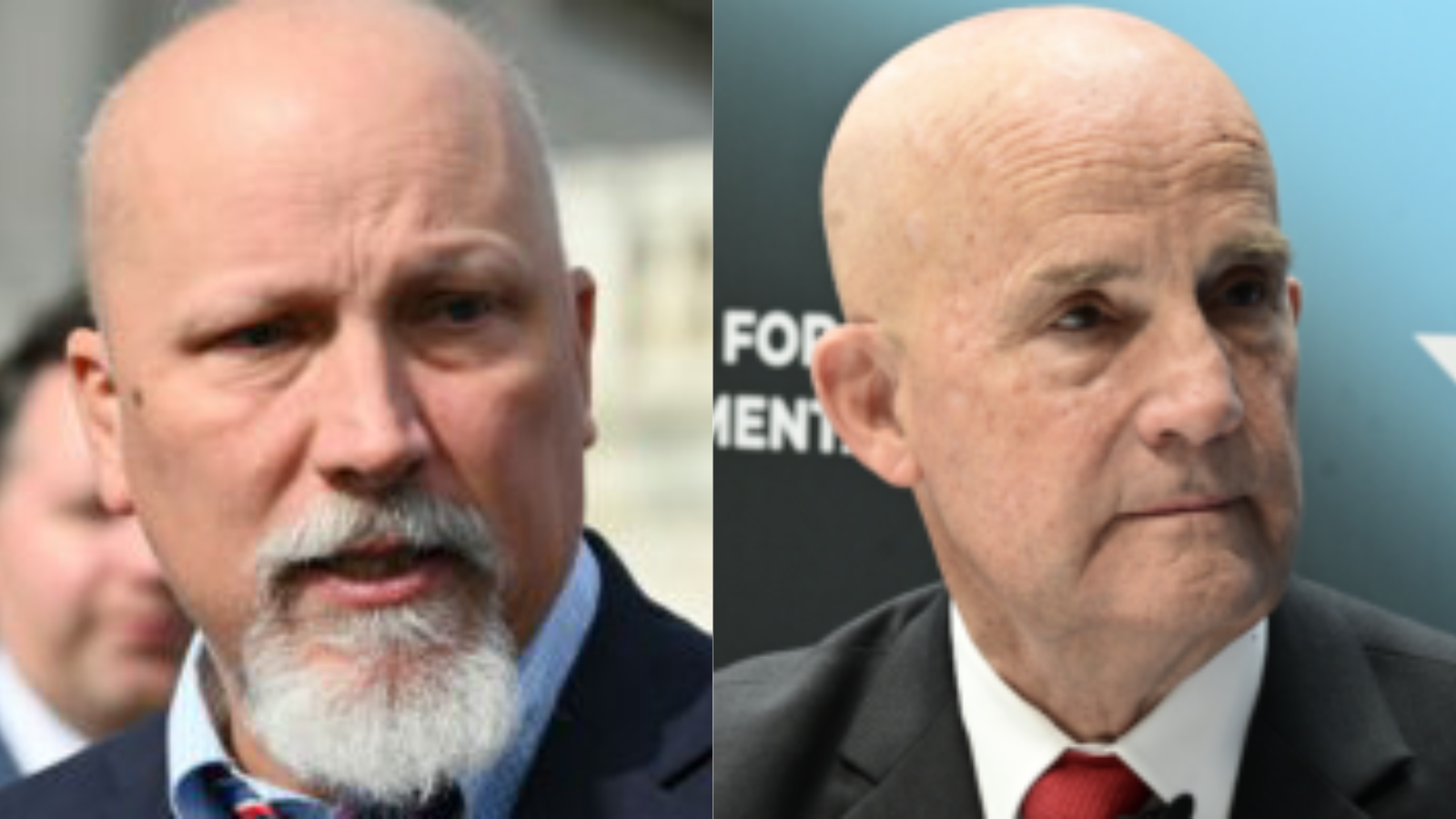
Sen. Lee, working with Congressman Chip Roy (R-TX), unveiled the SAVE America Act this week, an expanded version of their previous SAVE Act proposal. The updated legislation adds a voter ID requirement to the original bill's proof-of-citizenship provisions for federal elections.
"President Trump rightly believes we should include Voter ID in this bill as we make a renewed push to secure our elections and protect the rights of American voters," Lee and Roy said in a joint statement. "By requiring Voter ID and proof-of-citizenship, the SAVE America Act will ensure that our federal elections are decided by U.S. citizens—and U.S. citizens alone."
The proposed legislation includes three main components:
- Requiring photo identification before voting
- Mandating in-person proof-of-citizenship verification during voter registration
- Directing states to remove non-citizens from voter rolls
The lawmakers cited increased immigration during the Biden-Harris administration as context for the bill, noting that individuals in the country illegally may have access to state-issued identification and benefits in some jurisdictions.
Citizenship Review Fundings
Utah Lieutenant Governor Deidre Henderson (R-UT) released findings from a statewide citizenship review on January 23. The assessment examined records for more than 2 million registered voters in Utah.
According to the review, more than 99.9% of Utah's registered voters are verified U.S. citizens.
An additional 486 voters were found to have incomplete or inaccurate registration information and have been contacted to update their records by February 1.
Henderson stated that the citizenship review process would continue in partnership with state legislators and county clerks to ensure voter roll accuracy.
While federal law currently prohibits non-citizens from voting in federal elections, the bill's sponsors argue that federal regulations have limited states' ability to require citizenship verification during registration.