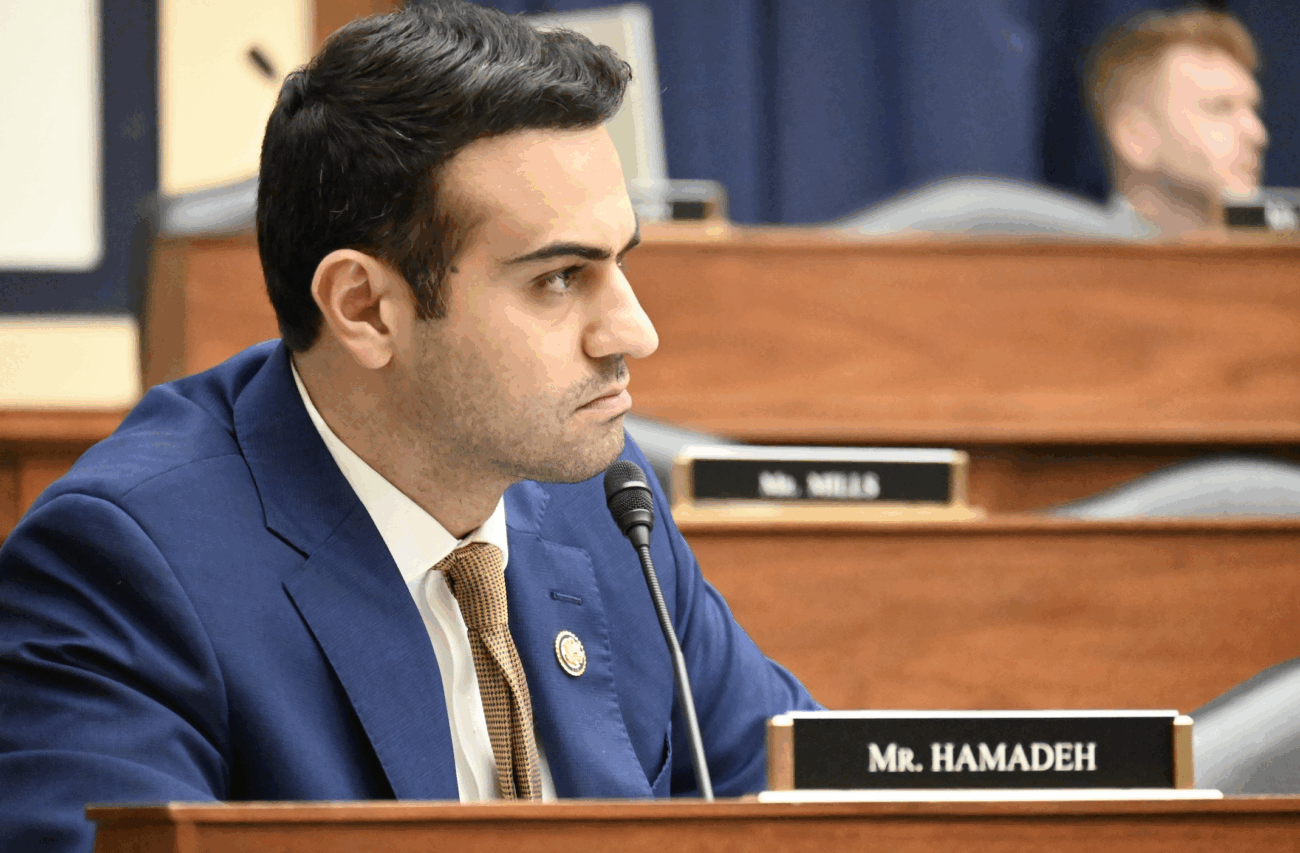
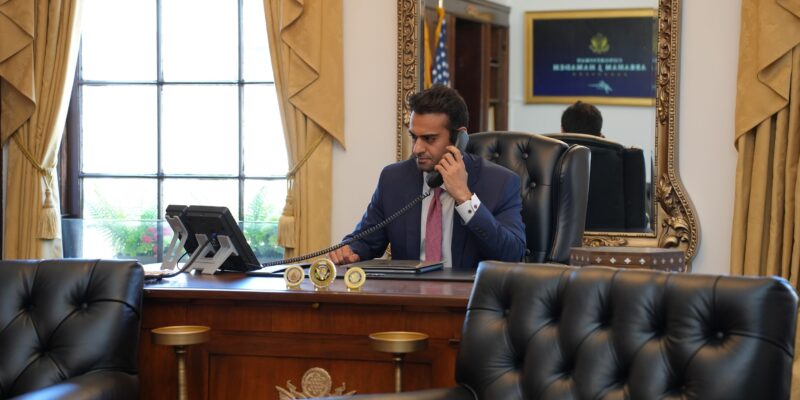

Representative Abe Hamadeh (R-AZ) has introduced legislation to permanently protect victims of federal sex crimes and violent felonies from their abusers.
Rep. Hamadeh's bill is named Kayleigh's Law, after Kayleigh Kozak, an Arizona woman who was sexually abused as a child by her teacher and coach.
Kayleigh's Law requires courts to issue permanent no-contact injunctions against convicted offenders, meaning they are permanently banned from contacting their victim, directly or indirectly, for the rest of their lives, even after prison, probation, or supervised release.
The bill already exists at the state level in Arizona and Wisconsin; thus, Rep. Hamadeh intends to federalize it.
"As a former prosecutor, I know how vulnerable victims can be, how determined their predators often are, and how judges can frequently fail victims of crime," the Arizona congressman said in a press release. "That is why we must require federal courts to impose these lifetime injunctions when requested by the government or the victim during sentencing."
He emphasized, "I have seen what victims go through as the predator's adjudication process plays out and know how important it is for the victim's healing process to begin. That process cannot be interrupted by their predators simply because our courts fail to take crime seriously and fail to impose lifetime injunctions."
Arizona Republicans like Representatives Andy Biggs (R-AZ), Paul Gosar (R-AZ), Eli Crane (R-AZ), David Schweikert (R-AZ), and Juan Ciscomani (R-AZ), are backing Hamadeh's bill.
Rep. Ciscomani explained that "Kayleigh's Law originated in Arizona and will uplift thousands of victims of unspeakable crimes. I'm proud to join my colleagues in supporting this commonsense legislation to ensure victims of dangerous crimes can obtain lifetime protections against their abusers."
"Survivors should not be faced with uncertainty about those who have harmed them. Kayleigh's Law will close critical gaps in federal law by strengthening protections, enhancing enforcement, and ensuring lasting safety for victims," he added.