
The newest congresswoman, Adelita Grijalva (D-AZ), has made protecting Oak Flat her first priority in Washington. She recently filed legislation that would stop a controversial mining operation from moving forward on land that Native American tribes consider holy.
The bill aims to repeal a 2014 land transfer that gave 2,422 acres of Arizona's Tonto National Forest to Resolution Copper, a mining company. The addition came without the typical public comment period or discussions with affected tribal groups.
Grijalva is now working to undo that arrangement. Her proposed law would keep the plot under federal management instead of transferring it to private control.
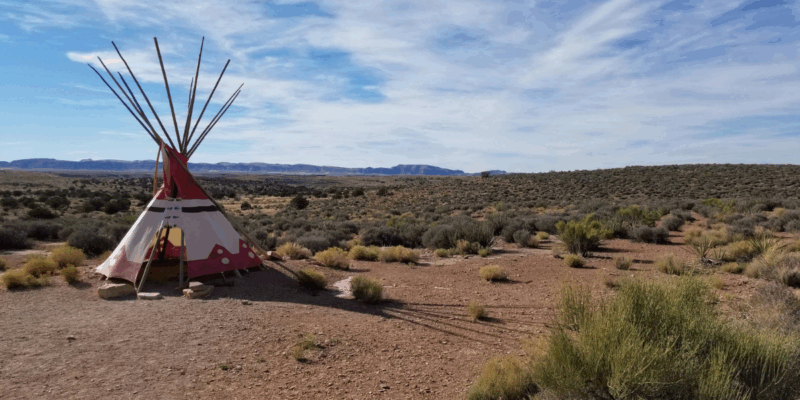
The Apache people call this place Chi'chil Biłdagoteel and have conducted spiritual practices there for centuries. Several tribal governments view the location as essential to their religious traditions.
Beyond its cultural importance, the area provides habitat for local species and attracts outdoor enthusiasts for activities.
Grijalva's Position
The company seeking to develop the site, Resolution Copper, wants to extract copper using a technique that would eventually leave a massive crater. The operation is a partnership between two multinational corporations based overseas.
Grijalva explained that Arizona officials have flagged potential problems with the proposal.
The state's land management agency noted the project could drain significant groundwater supplies, a critical issue in an area already facing water scarcity. Projections suggest the mine would consume hundreds of billions of gallons during its operation, and the process would also produce large quantities of mining waste requiring permanent storage.
"Oak Flat is sacred, irreplaceable, and it should never have been traded away to foreign mining giants," Grijalva stated. "My father, Congressman Raúl M. Grijalva, fought for Oak Flat throughout his career, and I am proud to pick up the mantle in continuing this fight."
Multiple tribal leaders, conservation advocates, and faith-based organizations back the current proposal.
Meanwhile, the mining project has supporters who emphasize potential economic benefits, though it remains tied up in court challenges.