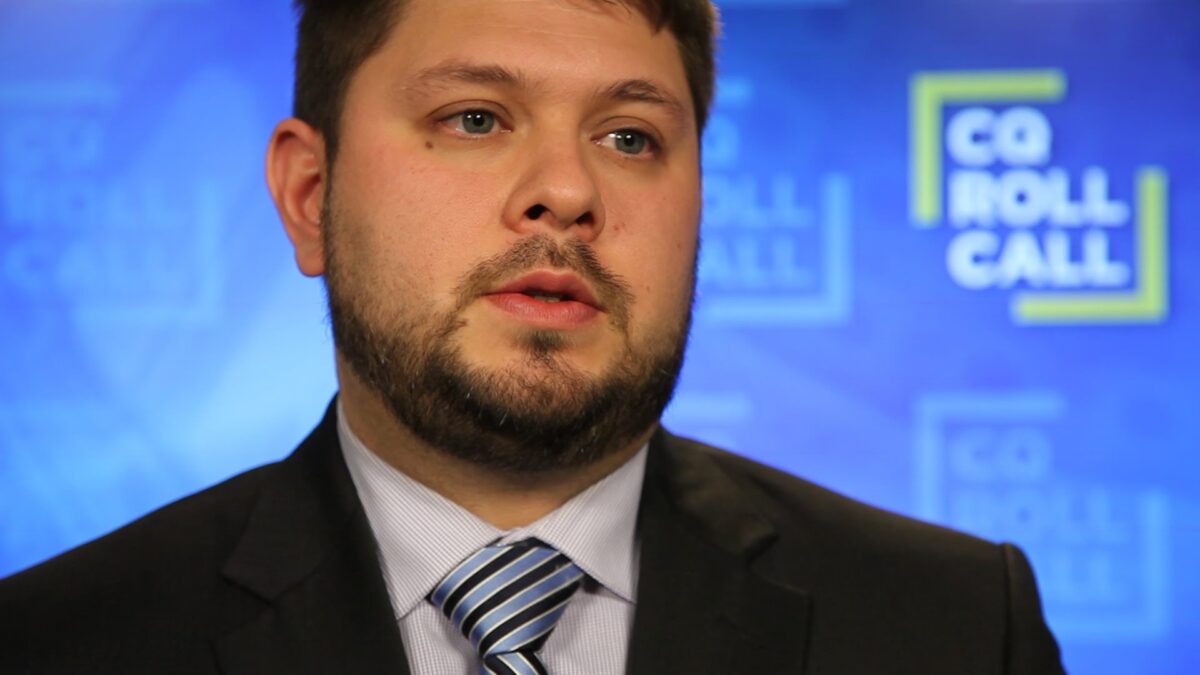


Senator Ruben Gallego (D-AZ) is leading several Senate Democrats in opposing new editing restrictions on the military newspaper Stars and Stripes, issued by the Department of War, arguing that they violate First Amendment rights.
In a letter addressed to Deputy Secretary of Defense Steve Feinberg, Sen. Gallego noted that the new imposition was first issued in March, which would allow political appointees greater oversight over the paper, restrict reporters, and tighten the allowance of civilian editors to contract live wire service news stories of interest to servicemembers unless approved by appointees.
Additionally, the new rules call for reprinting War Department press material and routing Ombudsman reports (independent oversight) to Congress through the Department's legislative affairs staff.
Not only would this limit Stars and Stripes' journalistic independence, but it would also make it more difficult for the paper to find news stories by promoting censorship.
"DoD's new policy threatens the credibility of Stars and Stripes, and the reliable flow of unbiased news to service members," Sen. Gallego wrote. "We urge you to immediately rescind DoD's new policy and restore editorial independence guaranteed by the First Amendment to Stars and Stripes."
This was not the first time the Department has sought to restrict coverage in Stars and Stripes, as the letter notes, in which coverage of politically sensitive topics like Pentagon mismanagement, the Iran-Contra affair, and the AIDS crisis was limited.
As a result, the DoD codified many protections to the paper's First Amendment rights in 1994 at the behest of Congress, including the appointment of a civilian editor in chief and the insulation of editorial decision-making from DoD officials.
With the ongoing conflict in Iran reaching an uneasy standstill, Gallego concluded that "the mission of Stars and Stripes to provide 'independent news and information to the U.S. military community' is more important now than ever as tens of thousands of service members are deployed to the Middle East," Gallego concluded.