
State Senator Jake Hoffman (R-AZ) is leading an effort to reshape how Arizona’s public schools spend their money through Senate Concurrent Resolution 1032, a proposed ballot measure that could appear before voters in November 2026.
Sen. Hoffman’s resolution would require many school districts to allocate at least 60% of their budgets to instructional costs, expenses directly related to classroom learning, such as teacher salaries, benefits, and instructional materials.
Districts that fail to meet the threshold could face financial penalties.
Moreover, Hoffman argues the change is necessary because, despite record education funding, a shrinking portion of state money is reaching classrooms.
Current Budget
According to the Arizona Auditor General, school districts currently spend about 52.1% of their budgets on instruction, down slightly from 52.6% the previous year and well below the proposed 60% requirement.
“The amount of money going into classrooms goes down and the amount going to administrators goes up,” Hoffman said. “That is fundamentally backwards.”
The proposal would apply to districts with 7,500 or more students or to counties with populations above 500,000, including Maricopa, Pima, and Pinal.
Now, Districts failing to meet the new standard would lose portions of their Classroom Site Fund allocations, beginning at 25% for one year of noncompliance and escalating to a full loss by the fourth year.
State Pay for Educators
Teacher pay remains central to Hoffman’s argument.
The average Arizona teacher earned $65,613 in 2025, up from $62,714 in 2024, but Hoffman says that growth isn’t keeping pace with overall school funding increases. Recent reports show total K–12 spending reached $13.4 billion in 2025, a 2.3% rise from the year before.
All Senate Republicans supported SCR 1032 when it passed the chamber, while Democrats opposed it, calling the proposal too rigid.
Senator Mitzi Epstein (D-AZ) countered that local school boards should decide how to spend their funds and warned that the “instructional spending” category omits vital student services such as counseling and special education.
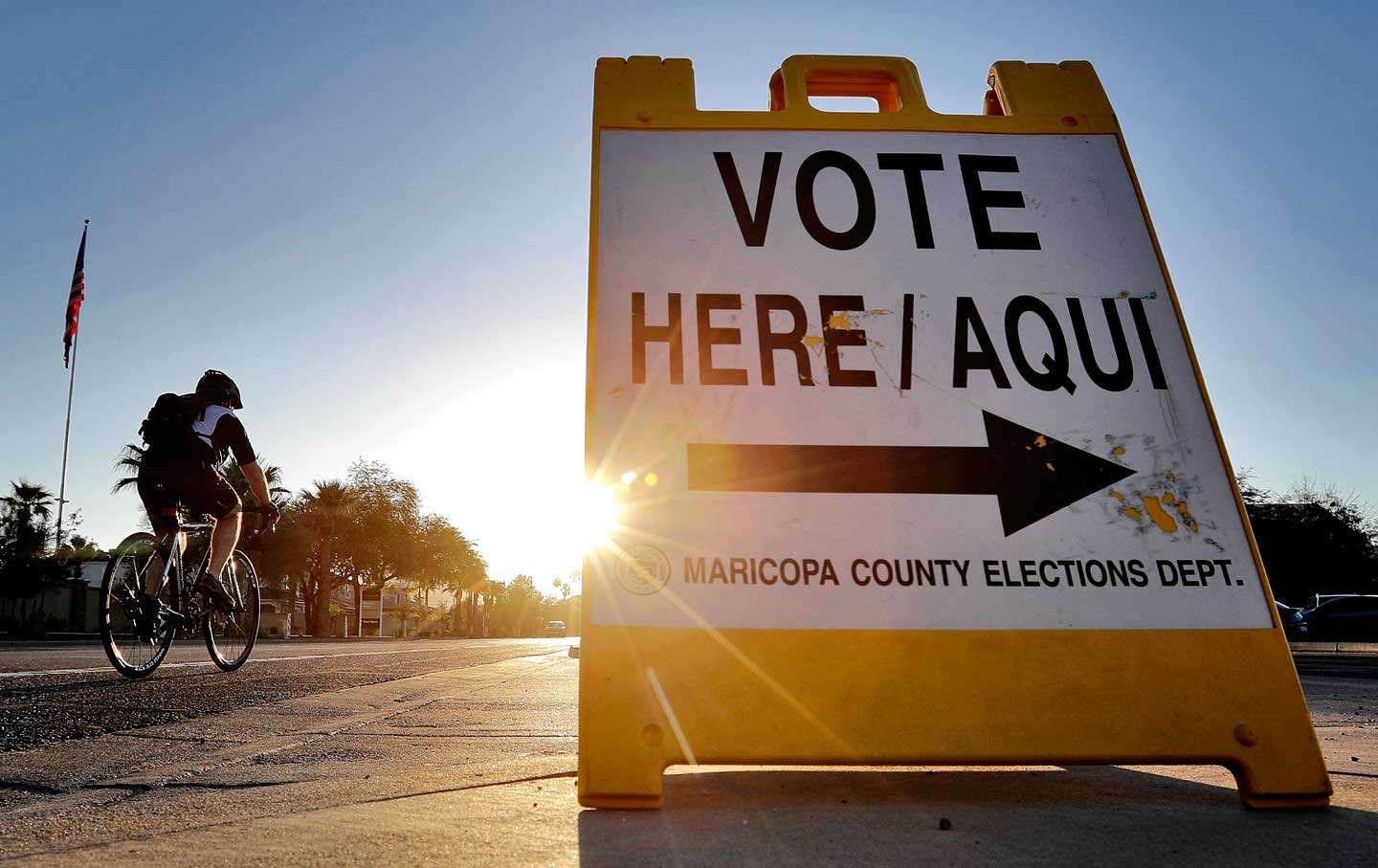
If approved by the House, Hoffman’s measure will appear on the November 2026 statewide ballot for voter consideration.