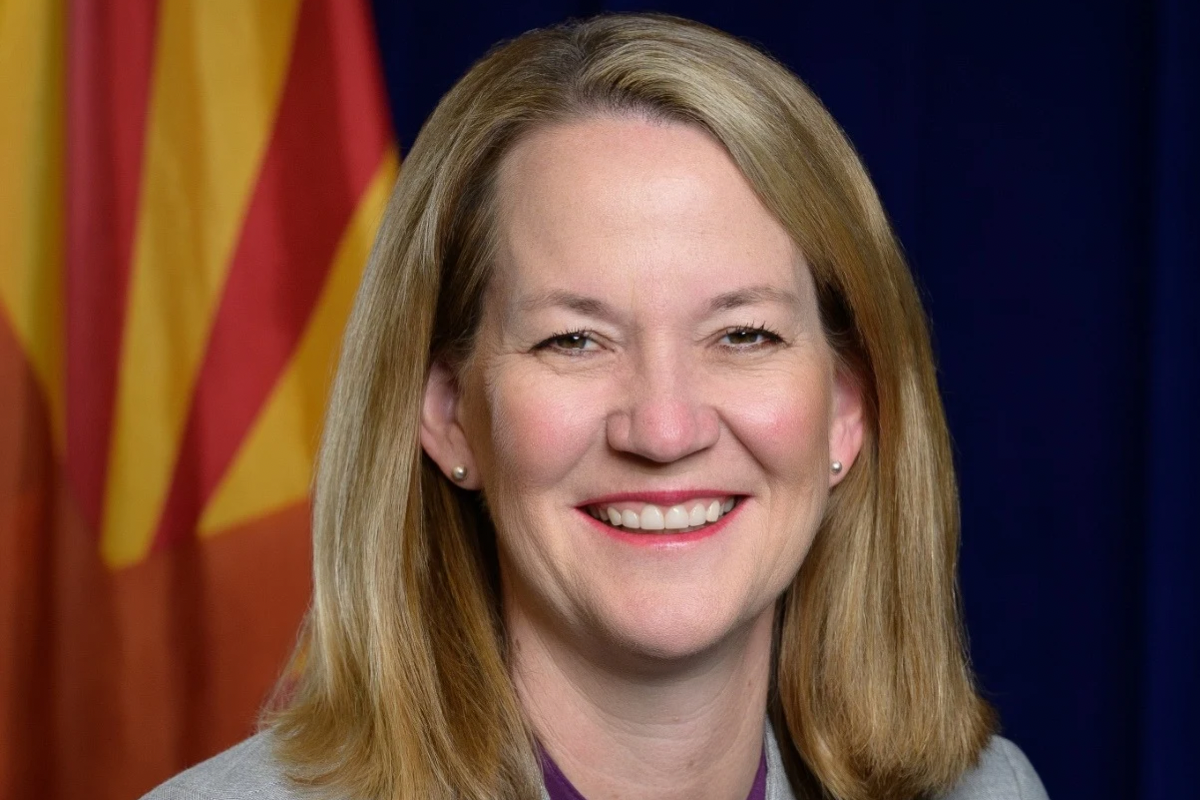


Senator Ruben Gallego (D-AZ) has introduced bipartisan legislation to crack down on online scammers operating through fake ads.
The Safeguarding Consumers from Advertising Misconduct (SCAM) Act requires online platforms, such as social media websites, to strengthen measures to prevent the proliferation of fraudulent advertisements and to enhance accountability when such deceptive ads slip through.
The bill strengthens enforcement of consumer protection laws by state governments and the Federal Trade Commission (FTC).
In a press release, Sen. Gallego commented, "Scammers are using social media to swindle Americans out of their hard-earned savings, and right now, those platforms face almost no consequences for letting it happen."
"If a company is making money from running ads on their site, it has a responsibility to make sure those ads aren't fraudulent," Sen. Gallego added. "This bipartisan bill will hold social media companies accountable and protect consumers' money online."
Senator Bernie Moreno (R-OH), the bill's cosponsor, also weighed in on the effort, commenting, "It is critical that we protect American consumers from deceptive ads and shameless fraudsters who make millions taking advantage of legal loopholes. We can't sit by while social media companies have business models that knowingly enable scams that target the American people."
In July, Gallego's colleague, Senator Mark Kelly (D-AZ), led a letter to Secretary of State Marco Rubio, urging a coordinated strategy to counter transnational online scammers targeting older Americans.
These scams, which are frequently based in Southeast Asia, include fake tech support, fake online dating site members, cryptocurrency investment fraud, and false government phone calls.
Representative David Schweikert (R-AZ) proposed an approach to confronting online cybercriminals in August by reviving letters of marque through the Cybercrime Marque and Reprisal Authorization Act, which would allow the executive branch to deputize licensed cyber operators to pursue foreign cybercriminal enterprises targeting American citizens and infrastructure, recover stolen assets, and prevent future attacks.