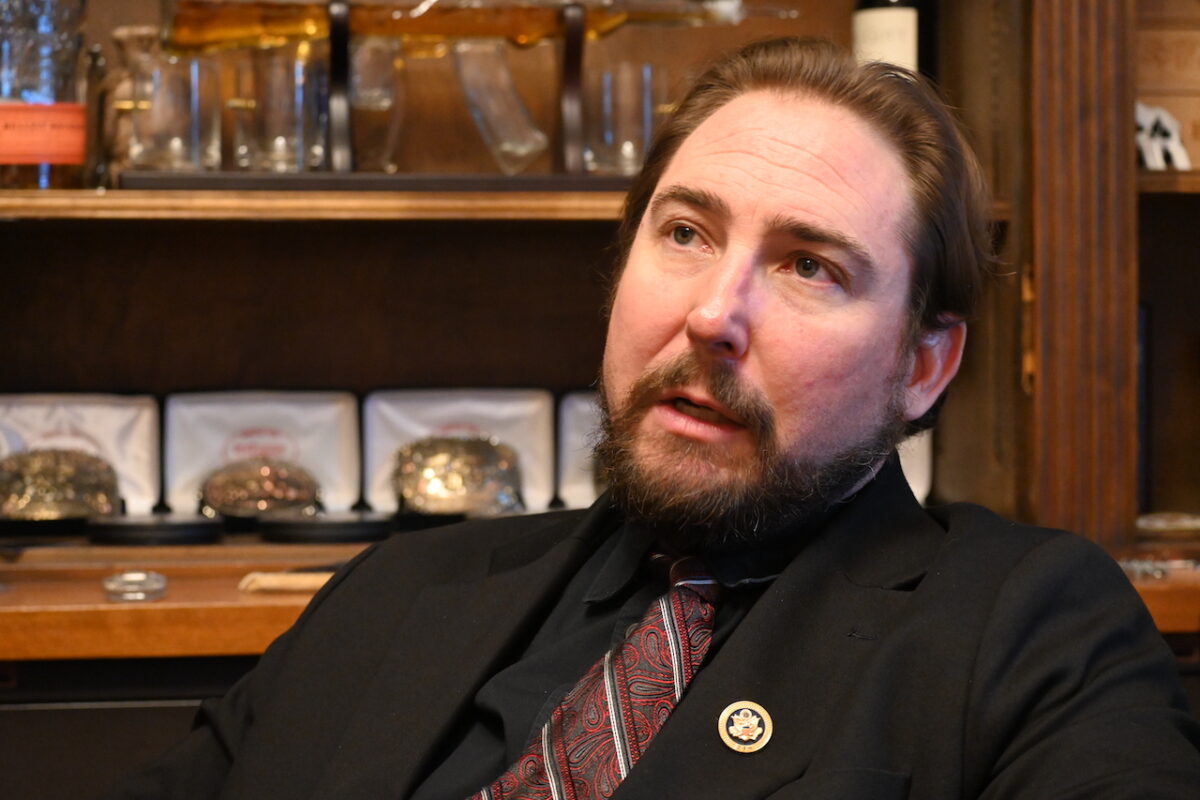

Rep. Eli Crane praised the Working Families Tax Plan this week, calling attention to what he sees as a significant opportunity for rural healthcare transformation.
"A good piece explaining the opportunity for rural healthcare created by the working families tax plan passed earlier this year," Crane shared on social media, referring to a new report from the Paragon Health Institute.
The report focuses on the Rural Health Transformation Program, a $50 billion initiative included in the "One Big Beautiful Bill" that aims to revolutionize how healthcare is delivered in rural America over the next five years. It represents the most significant investment in rural health in U.S. history.
According to the analysis, nearly 200 rural hospitals have closed since 2005, leaving many communities without access to emergency care or treatment. The program aims to reverse this trend by addressing the fundamental issue that is the "stand-by" costs of maintaining essential services around the clock, even when patient volumes are low.
Warns States
The report warns against repeating past mistakes. Programs like 340B and Disproportionate Share Hospital (DSH) were designed to help rural providers, but instead, funds were diverted to large urban hospital systems with little accountability.
This time, the Paragon Health Institute urges states to ensure money goes directly to small, rural hospitals and clinics that need it most.
Health and Human Services Secretary Robert F. Kennedy Jr. emphasized the program's mission when announcing plans.
"This $50 billion program is about delivering dignity and dependable care to rural communities, making sure every American has access to affordable, high-quality treatment,” he stated.
Significant Change
The report also recommends that states use the funds to remove anti-competitive regulations, such as certificate-of-need laws, expand the roles of nurse practitioners and physician assistants, invest in telehealth technology, and create incentives for medical students to complete rural clinical rotations.
The program could produce the most significant and lasting improvements in rural healthcare access and outcomes in American history, but only if states focus on sustainable, market-based reforms rather than temporary subsidies.