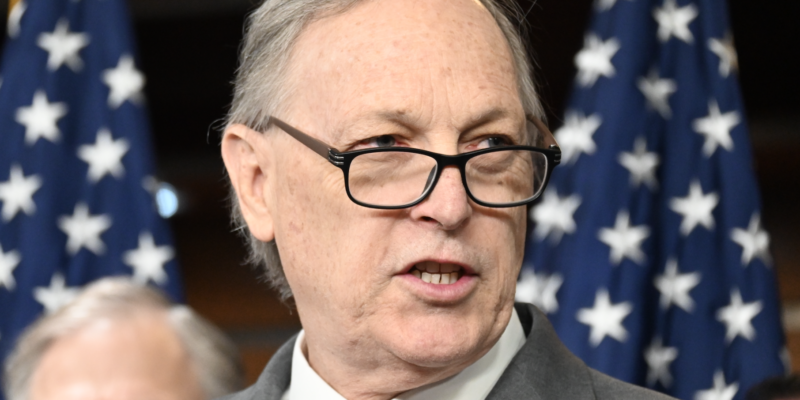

Representative Andy Biggs (R-AZ) is leading Arizona Republicans in critiquing the Draft Environmental Impact Statement (DEIS) for Lake Powell and Lake Mead, calling out its unfairness toward the Lower Basin, and by extension, Arizona.
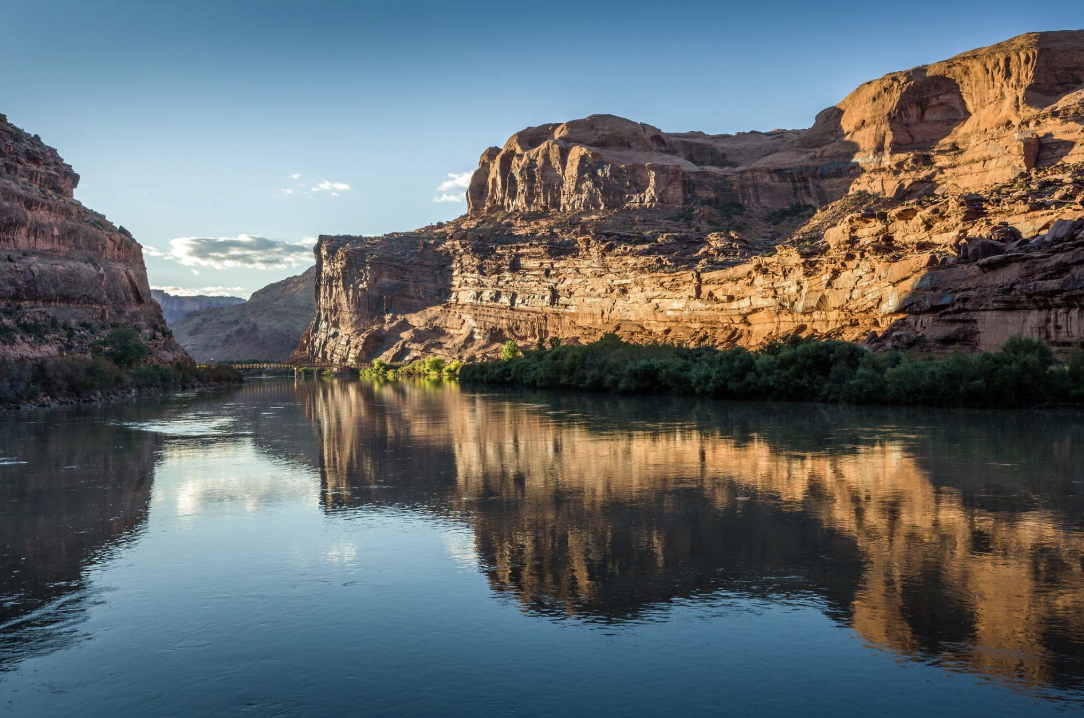
Seven states (California, Arizona, New Mexico, Nevada, Colorado, Utah, and Wyoming) share water from the Colorado River, which includes Lake Powell and Lake Mead, and negotiations between the states have been slow and have not met a deadline.
Representative Greg Stanton (D-AZ) previously commented on the concern, saying, "We can't keep kicking this down the road — we need a workable agreement now that protects the river for the long term."
The current DEIS, as noted by Rep. Biggs in his letter, focuses water cuts exclusively in the Lower Basin states (Arizona, California, and Nevada), while the Upper Basin states face no such restrictions, "even though the Lower Basin has 75% of the total Basin population, 75% of the economy, 76% of the jobs, and 78% of the crop sales."
Notably, the current DEIS itself acknowledges the disparity, noting that "scenarios in which municipalities may need to pursue alternative or even hauled water sources to maintain basic services" are possible.
As a result, Arizona Republicans are demanding that Secretary of the Interior Doug Burgum reject and revise the DEIS more fairly.
"The Colorado River is foundational to Arizona's economy and our national security," said Rep. Biggs in a statement. "Yet the alternatives outlined in this draft plan would force disproportionate and devastating water cuts on Arizona and the Lower Basin, while allowing the Upper Basin to increase its use."
The Arizona congressman further argued that the Grand Canyon State has "done the hard work" of managing its allocation of Colorado River water efficiently for 40 years.
"We cannot accept a framework that punishes responsible stewardship while ignoring long-standing legal obligations under the Compact and the Law of the River," Rep. Biggs commented. "The Department must go back to the drawing board and produce a revised plan that is balanced, lawful, and sustainable."