
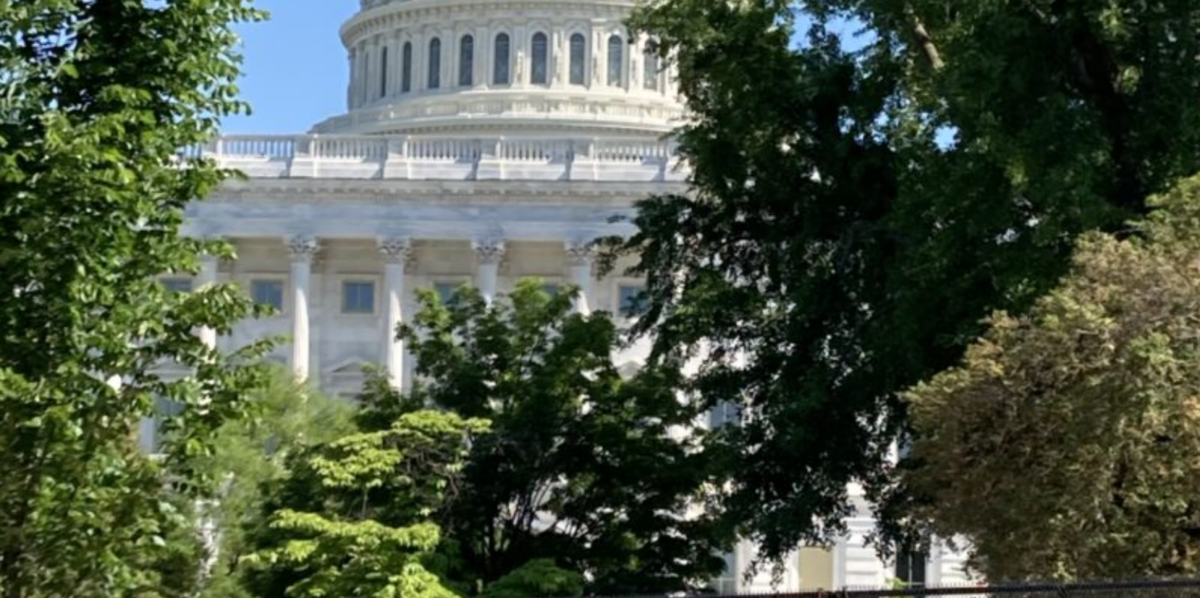

Democratic leaders outlined their requirements for funding the Department of Homeland Security (DHS) on Feb. 4, threatening to block funding when it expires less than two weeks later unless there are “dramatic changes” and “real accountability” for U.S. Immigration and Customs Enforcement (ICE) and other federal enforcement agencies involved in the Trump administration's immigration crackdowns in Minnesota and across the country.
DHS funding is set to expire Feb.13, with Congress struggling to reach a deal to prevent a shutdown of the agency by the deadline.
"Taxpayer dollars should be used to make life more affordable for everyday Americans, not to brutalize or kill them," House Minority Leader Hakeem Jeffries said during a press conference at the Capitol. "ICE is completely and totally out of control, immigration enforcement should be just, it should be fair, and it should be humane. That is not what is taking place right now."
Jeffries and Senate Minority Leader Chuck Schumer released a list of 10 demands, including requirements that immigration agents conduct operations without masks, show identification, obtain judicial warrants, and refrain from carrying out enforcement actions in sensitive locations such as churches and schools.
“It’s totally unrealistic. Their demand list went from three items to 10 items. It just shows you they’re not, they’re not serious yet,” Senate Majority Leader John Thune (R-S.D.) told reporters, warning that policies requiring agents to identify themselves would “set them up to get doxed.”
“These demands are demands, not requests, not proposals. In my view, they are the minimum that ought to be required of the Department of Homeland Security,” Sen. Richard Blumenthal (D-Conn.) said on Feb.5. “Shutting down the Department of Homeland Security is minor compared to losing our freedoms.”
If Congress fails to reach a deal by the cut-off date, agencies such as the Transportation Security Administration (TSA), the Federal Emergency Management Agency (FEMA), and the Coast Guard would remain operational without providing employees' pay.