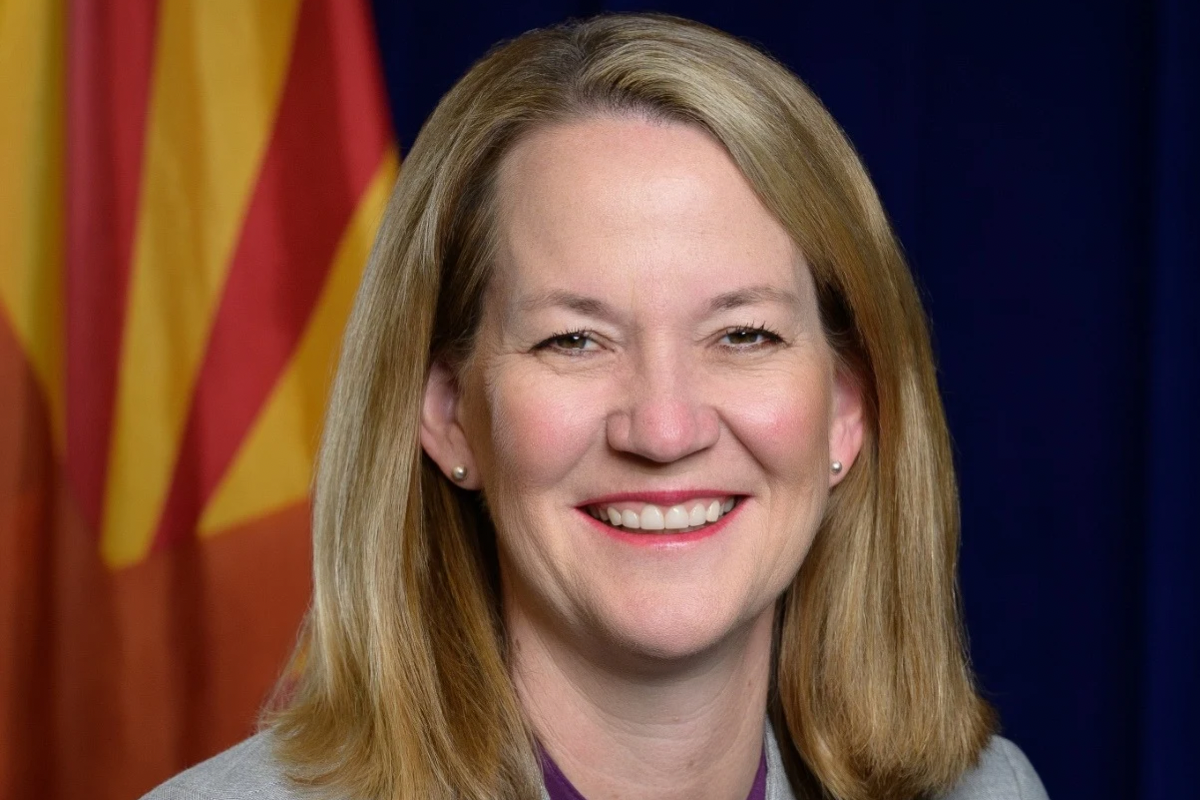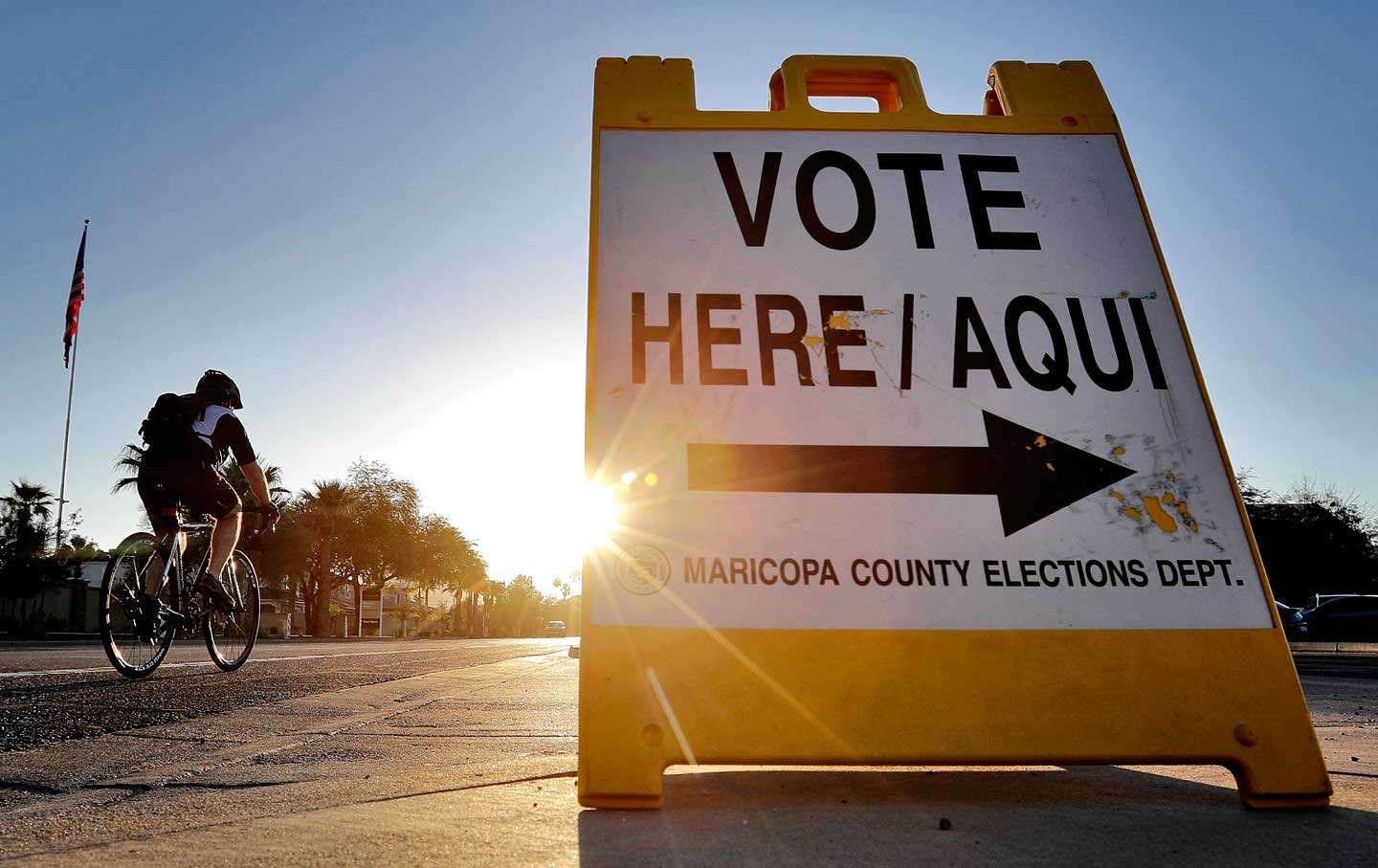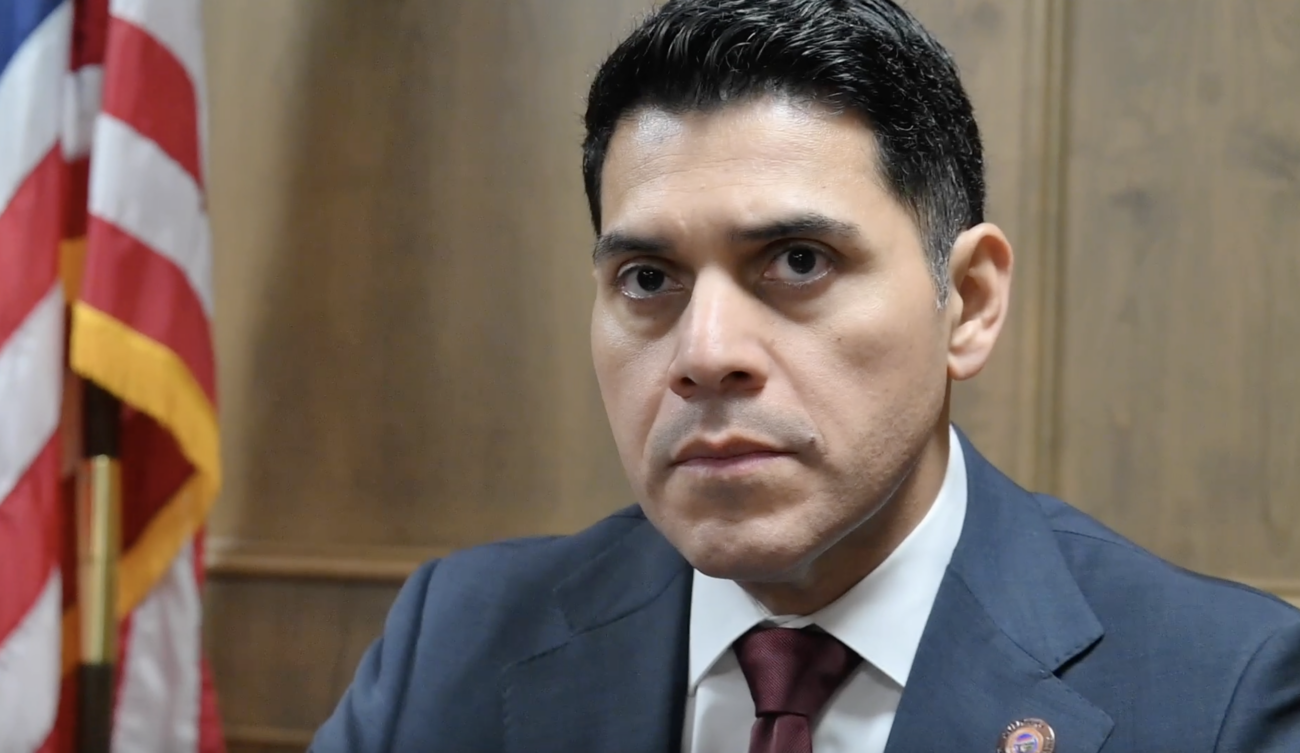
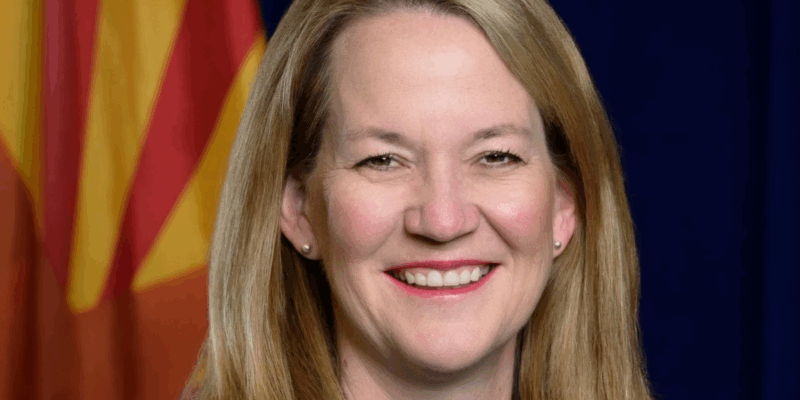

Attorney General Kris Mayes (D-AZ) is fighting a December decision by the Arizona Corporation Commission (ACC) that approved a private electricity deal between Tucson Electric Power (TEP) and Project Blue, a massive data center project.
Mayes says the deal lacks sufficient public oversight. She's concerned about language in the contract that could let the power company and the data center set their own electricity prices without anyone checking their work.
She believes this violates the state constitution, which says only the Commission can set electricity rates.
According to Mayes, this setup creates an unusual system in which power rates could be set through private deals rather than the usual public process. This could lead to higher bills for Arizona residents.
“The loophole created for the developers of this data center to secretly set electricity rates behind closed doors and outside of the public process is new, rare, and a dangerous recipe for massive price hikes for Arizona consumers,” Mayes explained.
The contract involves TEP providing electricity to a large data center being built by Humprey's Peak Power LLC and Beale Infrastructure Group.
TEP says the project will need 286 megawatts of electricity by 2028. That's enough power to run air conditioning for about 57,000 homes.
Mayes' Argument
Mayes argues that the Commission approved the contract without fully understanding its potential impact on existing customers. Building the new power plants needed for this project will cost money, and those costs may get passed on to regular customers.
The agreement doesn't clearly explain whether price changes need Commission approval, according to her statement.
The Attorney General wants a full hearing in which the State of Arizona and the City of Tucson can participate fully. This includes reviewing documents, asking questions, and presenting evidence.
Business groups such as the Arizona Chamber of Commerce support these types of data center deals. Explaining the agreements confirms that industrial customers pay fair rates without obtaining discounts paid for by residential customers.
At the same time, the state is considering nuclear power to meet growing electricity demand from data centers, factories, and homes. Arizona's three main utility companies have applied for federal money to find sites for new nuclear reactors.
How the Commission responds to Mayes' challenge may influence future energy contracts with major technology facilities across Arizona.
“By approving an agreement that allows a utility and a customer to ‘choose their own rate,’ the Commission abdicated its constitutional and statutory authority and its duty to protect ratepayers,” Mayes concluded. “That’s why my office is stepping in.”