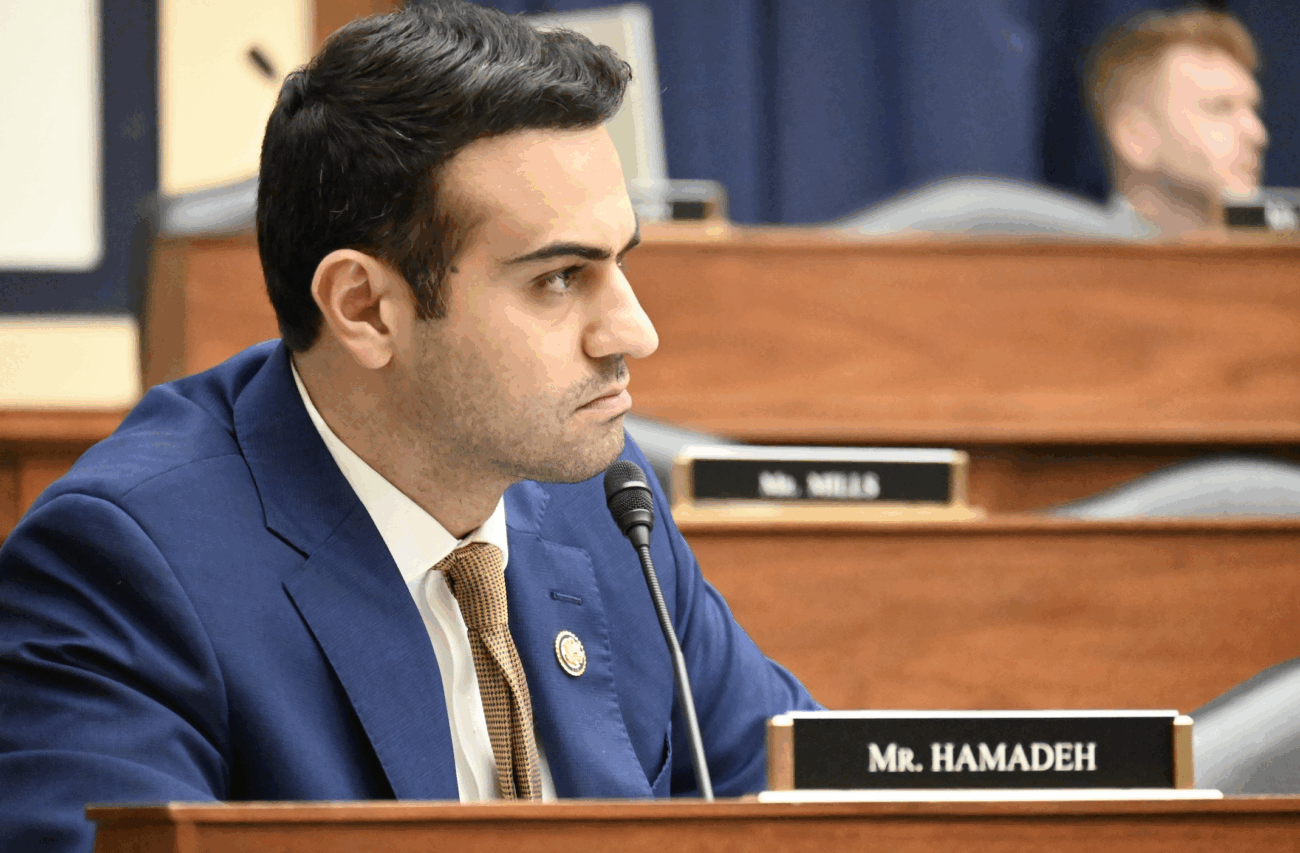
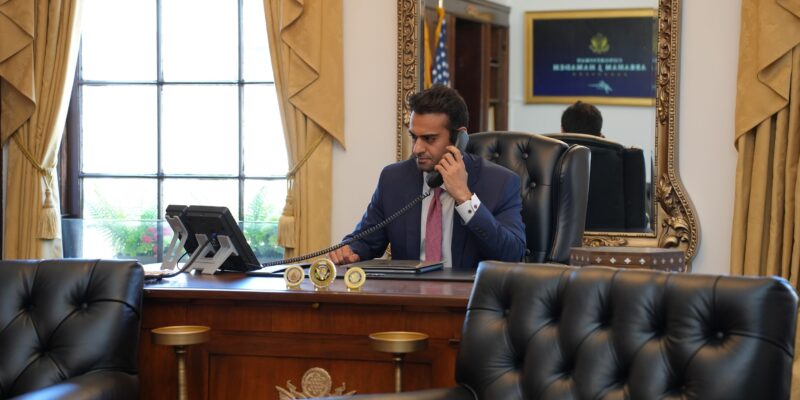

Congressman Abe Hamadeh (R-AZ) is planning to strengthen transparency by adding a question on the U.S. Census regarding dual citizenship through the Make Allegiances Clear Again Act (MACA Act).
Currently, U.S. law imposes no restrictions on American citizens acquiring foreign citizenship by any means and requires no court or government agency permission to do so.
American citizens are not required to choose between U.S. citizenship and a foreign nationality, meaning they can naturalize in another country or apply for citizenship on behalf of their minor children without risking their U.S. citizenship.
As a result, Hamadeh argued that this “legislation paves the way for badly needed reforms." "I fully support proposals to require Americans with dual citizenship to renounce their foreign allegiances,” the Arizona Republican declared in a statement.
U.S. Census
The Census, officially called the Population and Housing Census, is a constitutionally mandated count of every resident conducted every 10 years.
It provides essential data that helps communities make informed decisions about where to build critical state infrastructure, while revealing demographic trends that shape the nation's future.
Federal law requires individuals over 18 to answer census questions, and although rare, people can face penalties, including jail time, for providing false information.
Census data serves a critical function in American governance by determining how many seats each state receives in the U.S. House of Representatives.
Hamadeh's Mission
The congressman is advocating meaningful reform to ensure that hundreds of billions of dollars in federal funding are distributed equitably to local communities across the country.
Hamadeh further reflected on what it means to be an American citizen, explaining that when facing tough choices, "being American first and only shouldn't be difficult." “No other country compares, and no other country should be competing for a U.S. citizen’s loyalty. The American people deserve clarity on divided allegiances—especially at a time when global threats are growing. We are simply asking for honesty,” Hamadeh concluded.